 Bellingham Siding
 Building Decks in Barkley the Right Way
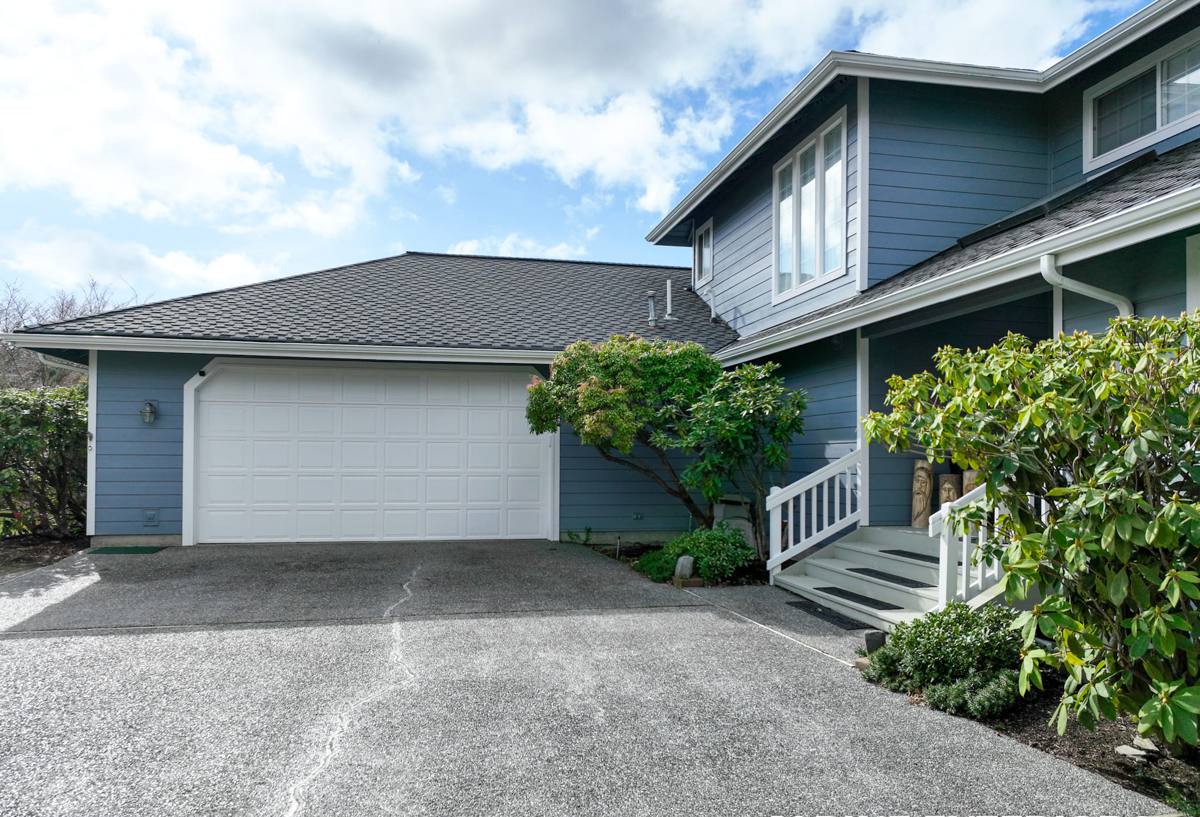
Barkley is one of Bellingham's more established planned neighborhoods, with a mix of newer homes and properties that are now fifteen, twenty, even thirty years into Whatcom County weather. A deck here has to do more than look good on a sunny July afternoon. It has to survive nine months of the kind of weather that defines this part of Washington: driving rain off Bellingham Bay, salt-tinged air that finds its way inland on windy days, and a moss season that can stretch from October well into May. A deck built without those conditions in mind will look fine for a year or two and then start showing problems — cupped boards, soft spots at the ledger, green film on every horizontal surface, corroding fasteners. A deck built for this climate holds its shape and its finish for decades.
This page is about deck building specifically for Barkley — what the neighborhood's conditions demand, what a correct build actually involves, and how we approach the work when we're out there.
What Bellingham's Climate Does to a Deck
Moisture Is the Real Enemy
Whatcom County doesn't get the heaviest rainfall in the state, but it gets steady, prolonged moisture — weeks at a time where wood surfaces never fully dry out. That matters more than a single heavy storm. Wood that stays damp for days on end is where rot starts, especially at joints, ledger boards, and anywhere two pieces of lumber meet without a gap for airflow.
Salt Air and Corrosion
Bellingham sits on the water, and wind off the bay carries salt further inland than most homeowners expect. Salt air accelerates corrosion on any metal component — screws, joist hangers, railing brackets, bolts. A fastener rated for a dry inland climate can start rusting within a couple of seasons here. This is one of the most common causes of premature deck failure we see, and it's almost entirely avoidable with the right hardware from day one.
Moss Season
The long, wet stretch from fall through spring is prime moss and algae growing season. Moss on a deck surface isn't just unsightly — it holds moisture against the wood or composite surface, breaks down finishes faster, and turns a deck into a slip hazard on sloped areas or stairs. Deck design (drainage, spacing, orientation) has a direct effect on how much moss growth you'll deal with every year.
What a Correct Deck Build Involves
A deck that's going to hold up here isn't just about the decking boards on top. Most of what determines whether a deck lasts is invisible once the project is finished.
Footings and Framing
Footings need to be sized and set below frost depth and on stable, well-drained soil — a shortcut here shows up years later as a deck that shifts, squeaks, or settles unevenly. Framing lumber should be properly rated for ground contact or exterior exposure where applicable, and joists need consistent spacing that matches the load requirements of whatever decking material goes on top.
Ledger Attachment
Where a deck attaches to the house is the single most important structural connection on the whole project, and it's also the spot most prone to hidden water damage if it's not flashed correctly. Proper flashing at the ledger board keeps water from tracking behind the siding and into the house framing — a problem that can go unnoticed for years in a climate like this one.
Drainage and Airflow
Board spacing, joist tape, and clearance underneath the deck all affect how quickly water sheds and how much moisture gets trapped against framing. In a climate with this much rain, drainage detailing isn't optional — it's the difference between a deck that dries out between storms and one that stays damp all winter.
Choosing Decking Material for Barkley's Weather
There's no single "best" decking material — it depends on budget, maintenance tolerance, and how much upkeep a homeowner actually wants to do. Here's how the common options compare under Bellingham conditions specifically.
| Material | Moisture Performance | Moss/Mildew Resistance | Maintenance | Typical Lifespan Here |
|---|---|---|---|---|
| Pressure-Treated Wood | Good if sealed and maintained | Needs regular cleaning | Annual cleaning, periodic sealing | 15-20 years |
| Cedar | Naturally moisture-resistant | Still needs cleaning; grays without finish | Sealing every 1-2 years | 15-20 years |
| Composite | Excellent | Resists staining; still gets algae film | Occasional washing | 25-30+ years |
| PVC/Capped Composite | Excellent | Best resistance of the group | Low | 25-30+ years |
Composite and capped-PVC products cost more up front but hold up well against the moss and moisture cycle typical of this area, and they don't need the periodic sealing that wood does. Wood decking costs less initially and has a more traditional look that some homeowners prefer, but it asks for a real maintenance commitment — skip a couple of sealing cycles in a row and you'll see the effects of the wet season show up fast.
Fasteners and Hardware: The Detail That Gets Skipped
Given the salt air exposure common around Bellingham and Bellingham Bay, we treat fastener selection as a structural decision, not an afterthought. Stainless steel or high-grade coated fasteners rated for coastal and treated-lumber exposure cost more than standard hardware, but the difference in corrosion resistance over ten or fifteen years is significant. The same goes for joist hangers, post bases, and railing hardware — anything embedded in the structure that can't easily be inspected or replaced later needs to be right the first time.
Signs of Fastener Failure to Watch For
- Rust streaking down decking boards from screw heads
- Discoloration or staining around joist hanger locations underneath the deck
- Loose railing posts or handrails that have developed play over time
- Visible corrosion on any exposed bolts, brackets, or post bases
Railings, Stairs, and Code Considerations
Bellingham and Whatcom County follow the Washington State building code for residential decks, which sets requirements for railing height, baluster spacing, stair rise and run, and guard strength on decks above a certain height. Permitting requirements apply to most new deck construction and many significant rebuilds — a licensed local contractor handles that process as part of the job rather than leaving it to the homeowner to sort out. Getting the permit and inspection right isn't just a formality; it protects the homeowner if there's ever a question about the work when selling the home or filing an insurance claim.
Moss, Mildew, and Ongoing Maintenance
Even a well-built deck needs some seasonal attention in this climate. The goal of good design and material choice is to reduce how much maintenance is needed, not eliminate it entirely.
A Simple Seasonal Rhythm
Most Barkley homeowners do well with a fall cleaning before the wet season sets in and a spring check once things dry out, looking for moss buildup, soft spots, loose fasteners, or finish wear. Composite and PVC decking generally just need a wash with a deck cleaner and a soft brush; wood decking benefits from a cleaning and re-sealing cycle every one to two years depending on sun and shade exposure.
Where Moss Builds Up Fastest
North-facing decks, areas shaded by trees or the house itself, and spots with poor drainage or debris buildup (leaves and needles in board gaps) grow moss fastest. Keeping gaps clear and trimming back overhanging vegetation where possible cuts down on how often a deck needs cleaning.
How Our Process Works
We keep the process straightforward because homeowners in Barkley are usually juggling this alongside everything else going on with the house.
- Site visit and assessment — we look at the existing structure (if there is one), the site's drainage and sun exposure, and talk through what the homeowner wants out of the space.
- Material and design discussion — honest trade-offs between wood and composite options, sizing, and layout based on the property and budget.
- Permitting — we handle the paperwork with the local jurisdiction where required, so the project is inspected and documented properly.
- Build — footings, framing, ledger flashing, decking, and railings, in that order, with attention to the drainage and fastener details that matter most in this climate.
- Final walkthrough — we go over the finished deck together and cover basic maintenance expectations before we consider the job done.
Why Local Experience in Barkley Matters
A crew that already works in and around Bellingham has already run into the specific conditions a Barkley property throws at a deck build — the soil drainage patterns common in the area, the way moss and moisture behave through a Whatcom County winter, and which fastener and material choices actually hold up rather than just looking good on a spec sheet. That local track record shows up in fewer callbacks and a deck that's still solid a decade later, not just at the final walkthrough.
Questions Worth Asking Before You Hire
- Are you licensed and insured to do deck construction in Washington State?
- Will you handle the permit and inspection process, or is that left to me?
- What fastener and hardware grade do you use, and why?
- How do you flash and waterproof the ledger board connection?
- What's your recommendation for decking material given this property's sun and shade exposure?
- Can you walk me through your framing and footing plan before work starts?
If you're weighing options for a new deck or thinking about replacing an aging one in Barkley, we're happy to take a look and give you a straight, no-pressure estimate — just fill out the form below and we'll get in touch.