 Bellingham Siding
 Fiber Cement Siding for Blaine Homes
Blaine sits about as close to salt water and open weather as a Whatcom County home can get. Houses here take a different kind of beating than homes ten miles inland in Bellingham proper — more salt-laden air off the water, more wind-driven rain hitting walls at an angle instead of falling straight down, and a damp season that stretches long enough for moss and algae to get a real foothold on north- and west-facing walls. Siding that works fine in a sheltered inland lot can fail early out here if it wasn't built, or installed, with that exposure in mind.
We install James Hardie fiber cement siding exclusively, and we've done work for homeowners throughout the Blaine area long enough to know which details actually matter on this stretch of coastline versus which ones are just manufacturer boilerplate. This page covers what Blaine homes specifically need from their siding, what a correct installation looks like, and how our process works from first look to final walk-through.
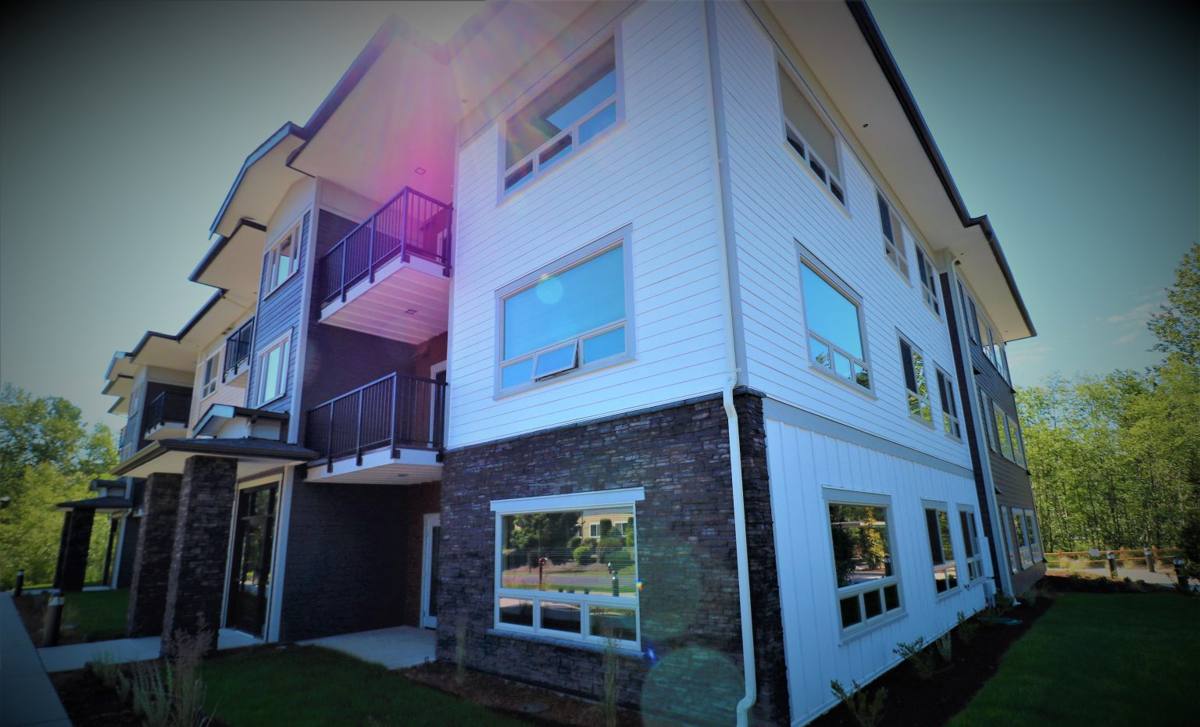
Why Blaine's Climate Is Harder on Siding Than People Expect
It's easy to assume that because Blaine doesn't get extreme heat or hard freezes, it's an easy climate on a house. In some ways that's true — but the combination of near-constant moisture and salt exposure creates its own set of problems that show up slowly, over years, rather than all at once.
Salt Air and Corrosion
Homes closer to Semiahmoo Bay and the surrounding shoreline are exposed to salt-carrying air more often than homes further inland. Salt accelerates corrosion on fasteners, flashing, and any exposed metal trim. It also tends to hold moisture against surfaces longer than plain rain does, which matters for any siding material that's sensitive to sustained dampness.
Driving Rain
Whatcom County's weather regularly comes with wind attached, which pushes rain sideways into wall assemblies rather than letting it run straight down and off. That means water-resistive barriers, flashing details, and butt joints have to be done correctly — a house here gets tested by wind-driven rain in ways a calmer inland climate won't reproduce.
Moss and Algae Season
Shade, moisture, and mild temperatures are exactly what moss and algae need to establish themselves, and Blaine has all three for a good chunk of the year. North-facing walls, areas under overhangs that stay damp, and anywhere airflow is restricted are the spots we see it worst. Siding that holds moisture at the surface — or that has a finish prone to breaking down under UV and damp cycling — gives moss more to grab onto.
What This Means for Material Choice
We only install James Hardie fiber cement siding, and in an environment like Blaine's, that standard isn't arbitrary. Fiber cement is dimensionally stable — it doesn't swell, cup, or rot the way wood-based products can when they take on repeated moisture. It's non-combustible, which is a genuine advantage but a secondary one here; the primary reason we spec it for this area is how it holds up to sustained damp exposure without the fiber cement itself breaking down.
The factory-applied ColorPlus finish matters more here than in a drier climate. A field-applied paint job has to fight adhesion problems in damp, low-sun conditions, and it starts weathering (and needing recoating) faster under repeated wet-dry cycling. A baked-on factory finish is more consistent and holds color and mildew resistance longer under exactly the conditions Blaine produces year after year.
What a Correct Installation Involves
Fiber cement siding is only as good as the installation behind it. Most of the failures we get called out to inspect on other contractors' work trace back to installation shortcuts, not the material itself. On a coastal Whatcom County home, a few details deserve extra attention:
- Proper water-resistive barrier and weather-resistive housewrap, lapped correctly so water sheds outward at every seam
- Correct flashing at windows, doors, and any wall penetration — the entry points where driving rain actually gets in
- Rain screen or drainage gap where conditions call for it, so any moisture that does get behind the siding can drain and dry instead of sitting against the sheathing
- Manufacturer-specified fastening — corrosion-resistant fasteners set at the correct depth and spacing, which matters more in salt air than inland
- Correct clearance from grade, roofing, and decks, so siding isn't sitting in a spot that stays wet longer than it should
- Caulking and sealant only where Hardie's specs call for it — over-caulking traps moisture rather than shedding it
Every one of these is a standard part of a correct fiber cement install anywhere. What changes in Blaine is how unforgiving the consequences are when one of them is skipped — a flashing mistake that might take a decade to show up in a sheltered inland yard can show up in a few wet seasons here.
Our Process for Blaine Projects
1. On-Site Assessment
We walk the exterior with you, look at current siding condition, check for moisture damage or rot at trim and penetrations, and talk through sun and wind exposure for your specific lot. A home a block from the water gets a different look than one set back with more tree cover.
2. Product and Line Selection
James Hardie's HZ product lines are climate-engineered for different regions, and we'll walk you through which lines and profiles make sense for your home, your budget, and your exposure — lap siding, panel siding, or a mix with trim and accent details.
3. Tear-Off and Substrate Check
We don't install new siding over hidden problems. Old siding comes off, and we check the sheathing underneath for rot or moisture damage before anything new goes up. This is where a lot of long-term issues get caught early instead of getting sealed behind new siding.
4. Water Management Layer
Housewrap, flashing, and drainage details go in before a single piece of siding is hung. This layer is what actually keeps water out over the life of the house — the siding itself is the visible finish on top of it.
5. Installation to Manufacturer Spec
Fastening, spacing, and joint treatment follow James Hardie's published installation guidelines, not shortcuts. This is also what keeps the manufacturer's warranty intact — installs that deviate from spec can affect warranty coverage.
6. Final Walk-Through
We go over the finished work with you, check trim and caulk lines, and answer any questions about care going forward before we consider the job done.
Comparing Siding Options for a Coastal Blaine Home
| Factor | James Hardie Fiber Cement | Vinyl | Untreated Wood / Primed Spruce |
|---|---|---|---|
| Salt air resistance | Strong — fiber cement doesn't corrode or rot | Fair — can become brittle over time with UV and temperature cycling | Weak — prone to rot and moisture damage without diligent upkeep |
| Moss and algae resistance | Good, especially with factory ColorPlus finish | Fair — smooth surface but seams and panels can trap grime | Weak — porous surface holds moisture, feeds growth |
| Finish longevity | Factory-baked finish, long color retention | Color molded in but can fade; can't be easily refinished | Field-painted, needs repainting on a regular cycle |
| Fire resistance | Non-combustible | Combustible, can melt/warp near heat | Combustible |
| Typical upkeep | Occasional wash, repaint decades out if needed | Low maintenance but limited repair options if damaged | Regular repainting, moisture monitoring, rot repair |
We don't install vinyl, primed spruce, cedar, LP SmartSide, Cemplank, or Allura. Some of these are reasonable products in the right setting, but for the exposure Blaine homes deal with, we've standardized on James Hardie because it's what we're confident holds up correctly when installed to spec — and it's the only product we're willing to put our name behind here.
Signs Your Current Siding Is Struggling
If you're not sure whether it's time to look at replacement, a few signs are worth paying attention to, especially on walls facing the water or shaded from direct sun:
- Persistent moss or algae staining that comes back quickly after cleaning
- Soft spots, bubbling, or visible warping in the siding material
- Paint that's peeling or failing faster than a normal repaint cycle would suggest
- Visible gaps, cracks, or separation at seams and trim
- Rust staining around fasteners or metal flashing
- Rot or discoloration at the bottom courses near grade
Any of these can indicate moisture is getting past the surface, which is worth having looked at before it reaches the sheathing.
Why a Crew That Already Works Blaine Matters
Coastal exposure isn't uniform even within a small town — a lot a few blocks from the water can need different detailing than one set further back with more wind and vegetation buffer. A crew that's worked this specific stretch of Whatcom County gets a feel for which walls take the worst of the weather and which flashing and drainage details are worth the extra attention, rather than applying a generic installation approach and hoping it holds up. That local pattern recognition is part of what you're paying for when you hire a contractor who already knows the area, not just the product.
Get a Free Estimate for Your Blaine Home
If you're weighing a siding replacement or just want an honest read on the condition of what's currently on your home, we're happy to take a look. There's no pressure and no cost for the estimate — just a straight assessment of what your house needs and what correct James Hardie installation would involve for your specific property.