 Bellingham Siding
 Siding Replacement in Fairhaven: A Different Climate Problem Than Inland Bellingham
Fairhaven sits close enough to the water that its siding takes on a different kind of punishment than a home a few miles inland in Bellingham. The combination of salt-laden air, wind-driven rain coming off Bellingham Bay, and a long, damp moss season means exterior walls here are working harder, more months out of the year, than siding on a home tucked into a drier pocket of Whatcom County. A siding replacement in this neighborhood isn't a cosmetic upgrade — it's a chance to correct water and moisture problems that generic siding, or a rushed install, will hand right back to you within a few winters.
This page focuses on one job, done right, in one place: replacing siding on a Fairhaven home, with the materials and installation approach that actually hold up to what this specific stretch of coastline throws at a house.
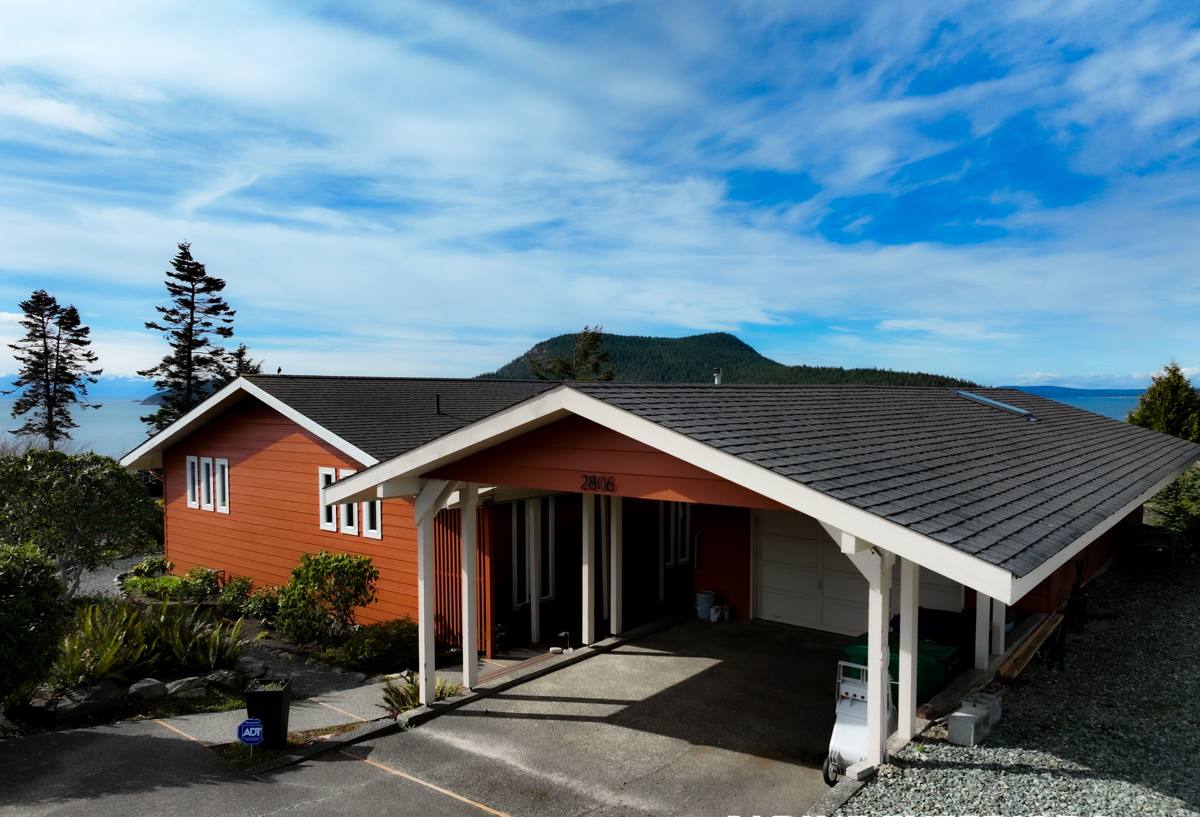
What Salt Air, Driving Rain, and Moss Season Actually Do to Siding
Salt Air
Airborne salt is corrosive and hygroscopic — it draws moisture to whatever surface it lands on. Over years, that means fasteners, trim, and any exposed metal flashing corrode faster than they would a few miles from the water. Painted wood and lower-grade composite siding also tend to chalk, fade, and lose their finish faster in a salt-air environment, which is one reason factory-applied, baked-on finishes matter more here than they do inland.
Driving Rain
Fairhaven's proximity to the water means storms often arrive with a horizontal component, driving rain directly into wall assemblies rather than letting it run straight down. That puts extra load on every seam, joint, and penetration in the siding system — window and door flashing, butt joints between siding courses, inside and outside corners. A siding product and installation that only handles vertical rainfall well will eventually let water find its way behind the cladding.
Moss and Sustained Moisture
Whatcom County's long wet season keeps north- and shade-facing walls damp for extended stretches, which is exactly the environment moss and mildew need to take hold. On wood-based or poorly sealed siding, that sustained moisture contributes to soft spots, paint failure, and eventually rot at the substrate. Siding that can't shed moisture quickly, or that absorbs it, stays wet longer and ages faster.
What a Correct Siding Replacement Actually Involves
A siding replacement is only as good as what happens underneath it. In a Fairhaven-type environment, cutting corners on the parts you can't see after the job is done is where most future problems start.
- Full removal of old siding and a substrate inspection for hidden rot, soft sheathing, or prior water damage before anything new goes up
- Repair or replacement of any compromised sheathing — never siding over a soft or damaged substrate
- A continuous weather-resistive barrier, installed shingle-style so every layer drains water down and out, not into the wall
- Properly integrated flashing at every window, door, and roofline intersection, with a specific plan for how water at each penetration gets directed back outside the barrier
- Correct fastening pattern and fastener type for the specific siding product, matched to local wind exposure
- Manufacturer-specified clearances at grade, roof lines, and decks so siding isn't sitting in standing water or trapped moisture
- A finished product with factory-applied color and finish, not field-applied paint that will need recoating on its own schedule
Skip any one of these steps and the new siding can look fine for a season or two while the underlying problem — usually moisture intrusion — keeps developing behind it.
Why We Only Install James Hardie Fiber Cement Here
We don't install vinyl, LP SmartSide, primed wood, cedar, or other fiber cement brands. That's a deliberate standard, not a sales pitch, and in a Fairhaven-type environment the reasoning is straightforward:
Non-Combustible and Dimensionally Stable
James Hardie fiber cement doesn't expand, contract, or warp with moisture swings the way wood-based products can, and it doesn't burn. In a marine climate with constant humidity cycling, dimensional stability directly affects how well caulk joints, trim, and paint lines hold up over time.
ColorPlus Factory Finish
Hardie's ColorPlus finish is baked on in a controlled factory environment, not brushed on at the job site. That finish is engineered to resist fading and chalking from UV and salt air far longer than field-applied paint, and it comes with its own finish warranty — meaning you're not repainting the whole house on a five- to seven-year cycle just because you're near the water.
HZ5 and Climate-Engineered Product Lines
Hardie engineers its products for specific climate zones, and Western Washington's coastal moisture profile is exactly what the HZ5 line is built around. That's a meaningful difference from a one-size-fits-all siding product being installed in a region it wasn't specifically engineered for.
A Real, Transferable Warranty
Hardie's warranty structure is well documented and transfers to a new owner if you sell — a genuine asset if you're doing this work as a long-term investment in the home rather than a quick fix before listing.
How Our Process Works on a Fairhaven Job
1. On-Site Assessment
We walk the exterior, check for existing moisture damage, note problem areas specific to the home's exposure — which walls take the worst of the driving rain, which stay shaded and damp longest — and talk through what that means for the scope of work.
2. Tear-Off and Substrate Check
Old siding comes off and we inspect the sheathing before anything new is installed. Any rot or soft spots get addressed at this stage, not covered over.
3. Weather Barrier and Flashing
We install the water-resistive barrier and flashing system built for this climate's driving-rain exposure, with particular attention to windows, doors, and any roof-to-wall intersections.
4. Hardie Installation to Spec
Siding goes up following James Hardie's published installation and fastening requirements — clearances, fastener spacing, and joint treatment all matter for warranty coverage and long-term performance.
5. Final Walkthrough
We review the finished job with you, including how it was detailed at trim, corners, and penetrations, so you know exactly what's under the finish.
Cost Factors for a Fairhaven Siding Replacement
Every home's scope is different, but the same handful of factors drive most of the cost variation we see on jobs in this neighborhood:
| Factor | Why It Matters Here |
|---|---|
| Substrate condition | Hidden rot from prior water intrusion adds repair work before new siding can go on |
| Home size and wall complexity | More corners, gables, and penetrations mean more flashing detail and labor |
| Siding profile and trim selection | Lap width, trim style, and accessory choices affect both material cost and install time |
| Exposure severity | Walls facing the water or prevailing storm direction may need extra flashing attention |
| Access and site conditions | Tight lots, retaining walls, or limited staging area affect labor time |
We walk every job in person before quoting, because in a marine environment like this one, the condition of what's underneath the existing siding is usually the biggest variable — and it's not something you can accurately estimate from the street.
Why Hiring a Crew That Already Works This Area Matters
A contractor who regularly works Fairhaven and the surrounding Bellingham waterfront already understands how this specific microclimate behaves — which walls take the worst weather, how moss and moisture show up differently than they do a few miles inland, and what level of flashing and barrier detail actually holds up here. That's different from general siding experience picked up in a drier part of Whatcom County or a different region entirely. It also means familiarity with local permitting expectations and a crew that isn't learning the neighborhood's quirks on your house.
What to Check Before Hiring Anyone for This Job
- Do they inspect and repair substrate before installing new siding, or just cover what's there?
- Can they explain their flashing and water-barrier approach in plain terms, not just "we follow code"?
- Are they installing to the manufacturer's published spec, including fastening and clearances?
- Is the warranty they're quoting the manufacturer's actual transferable warranty, in writing?
- Do they have experience specifically with homes exposed to marine/coastal conditions, not just general siding work?
If your Fairhaven home's siding is showing fading, soft spots, moss buildup, or failing caulk lines, it's worth getting a straight answer on what's actually going on underneath before it gets worse. We offer a free, no-pressure estimate — walk the house with us, and we'll tell you honestly what we find and what it would take to fix it right.