 Bellingham Siding
 Roof Repair Built for Columbia's Weather, Not Just Its Roofs
Columbia is one of Bellingham's older, established neighborhoods, and that means a lot of the roofs here have already been through decades of Whatcom County winters. When a roof in this part of town starts leaking, losing shingles, or growing a thick coat of moss, it's rarely a random accident. It's usually the predictable result of salt-laden air off Bellingham Bay, near-constant driving rain off the Sound, and a moss season that can run eight months of the year working on the same weak points year after year. A good repair here has to account for all three, not just patch the spot that's leaking today.
This page is specifically about roof repair — fixing, sealing, and restoring an existing roof — rather than a full tear-off and replacement. Repair is the right call for a large share of the roofs we look at in Columbia, and knowing what a correct repair actually involves will help you make a better decision, whether you hire us or someone else.
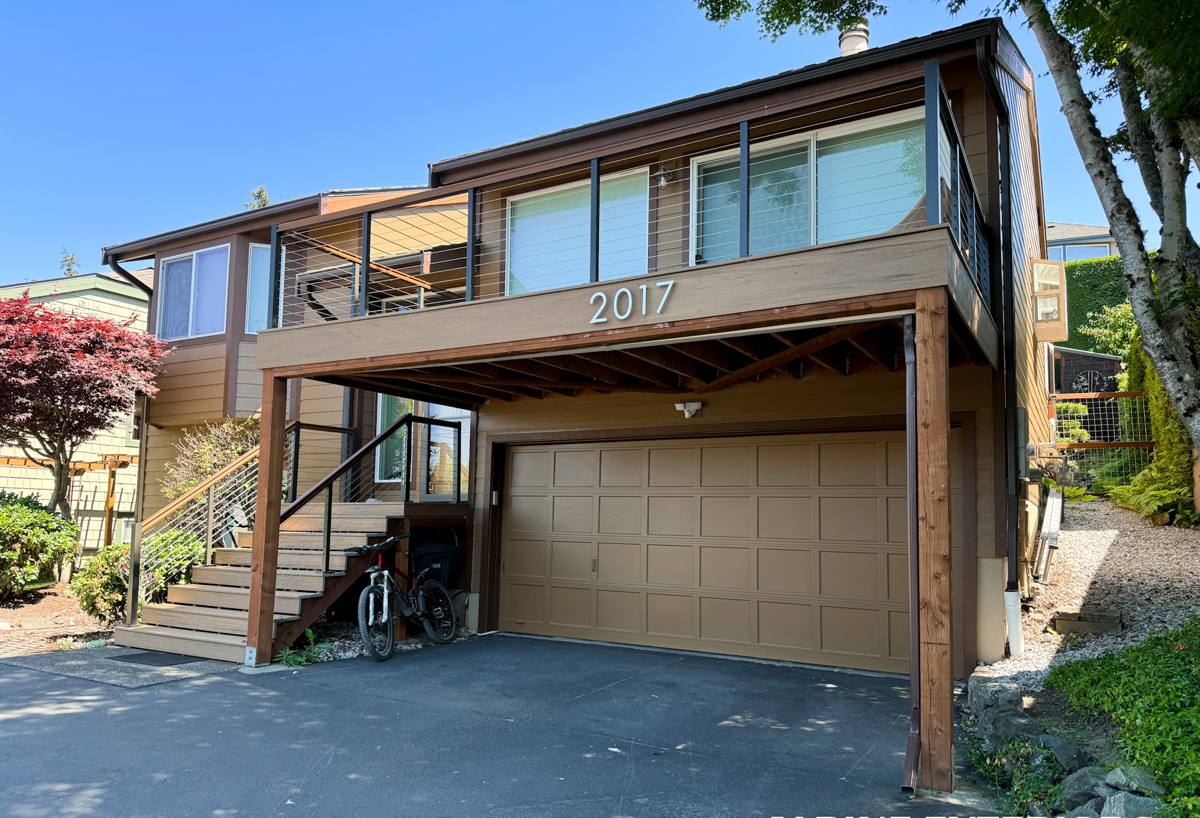
Why Roofs Age Differently in This Part of Bellingham
Salt Air and Corrosion
Homes closer to Bellingham Bay deal with a fine layer of salt-laden moisture in the air that settles on metal flashing, fasteners, gutters, and vent caps. Over time it accelerates corrosion on anything metal that isn't rated for a marine-adjacent climate. We see this most often at nail heads that have started to rust and bleed through shingles, and at flashing seams around chimneys and vents that have thinned out faster than the roofing material around them.
Driving Rain and Wind Direction
Whatcom County storms frequently bring rain in sideways rather than straight down, which means water gets pushed up under shingle edges, around dormers, and into any gap in flashing that would stay dry in a calmer climate. Roofs that were built or repaired without extra attention to wind-driven rain tend to leak at valleys, roof-to-wall transitions, and low-slope sections long before the shingles themselves are actually worn out.
Moss, Shade, and Moisture Retention
Mature trees and tight lot spacing keep a lot of Columbia's roofs shaded for large parts of the day, which is great for the yard and hard on the roof. Shade plus regional humidity is exactly what moss needs to establish itself, and once it does, it holds moisture directly against the roofing surface. That constant dampness works shingles loose, breaks down the granule layer that protects them from UV and weather, and creates a growing medium that keeps coming back if it isn't removed and managed correctly.
The Roof Repair Problems We See Most Often in Columbia
- Moss-related shingle damage — lifted, cracked, or granule-stripped shingles under thick moss growth, especially on north-facing slopes and shaded sections
- Flashing failure around chimneys, skylights, plumbing vents, and roof-to-wall intersections, often corroded or separated rather than simply "old"
- Valley leaks where two roof planes meet and wind-driven rain concentrates faster than the roof was built to shed it
- Clogged or undersized gutters that back water up under the shingle edge instead of carrying it away
- Nail pops and fastener corrosion that create small, hard-to-spot entry points for water
- Isolated storm damage — a handful of shingles or a section of ridge cap torn loose in a windstorm, rather than roof-wide failure
Most of these show up as a single stain on a ceiling, a damp spot in the attic, or a visible patch of moss and lifted shingles — not a roof that's obviously falling apart. That's exactly why a proper inspection matters more than a quick patch: the visible symptom and the actual source of the leak are often several feet apart.
What a Correct Repair Actually Involves
Finding the Real Source, Not Just the Symptom
Water travels along the underside of roofing material before it shows up inside the house, so the stain on your ceiling doesn't always sit directly below the leak. A correct repair starts with tracing the path — checking flashing, valleys, and penetrations uphill from the visible damage — rather than resealing the first thing that looks suspicious.
Matching Materials and Fastening Method
A patch that doesn't match the existing shingle profile, color, or fastening pattern can shed water incorrectly even if it looks fine from the ground. We match shingle type, exposure, and nailing pattern to the existing roof, and we use corrosion-resistant fasteners given how hard standard fasteners get worked in this climate.
Flashing and Underlayment Come First
On any repair involving a valley, chimney, skylight, or roof-to-wall transition, the flashing and underlayment underneath the visible shingles matter more than the shingles themselves. We replace compromised flashing and underlayment as part of the repair rather than shingling over material that's already failed — covering a bad flashing job with new shingles just delays the next leak.
Moss Removal Done Without Damaging the Roof
Moss has to come off gently — scraping or pressure-washing too aggressively strips granules and shortens the life of the shingles you're trying to save. We remove moss by hand where it's established, then address the conditions that let it grow back, since removal without addressing shade, debris, and drainage is a short-term fix.
Repair or Replacement? How We Help You Decide
Not every roof problem in Columbia needs a full replacement, and we won't sell you one if a repair will genuinely hold up. The honest answer usually comes down to a few factors:
| Factor | Points Toward Repair | Points Toward Replacement |
|---|---|---|
| Roof age | Under 15–18 years, shingles otherwise sound | Approaching or past manufacturer's expected lifespan |
| Extent of damage | Isolated to one section, flashing point, or storm event | Widespread across multiple slopes or elevations |
| Decking condition | Solid, dry sheathing under the damaged area | Soft, delaminated, or water-stained decking found during inspection |
| Repair history | First or second repair on this roof | Repeated repairs to the same or nearby areas over recent years |
| Moss/moisture pattern | Manageable with removal and drainage improvements | Chronic moss return despite prior cleaning and maintenance |
We'll tell you plainly which side of this table your roof falls on. If a repair is the honest recommendation, that's what we'll propose — a roof doesn't need to be replaced just because it's been patched before.
Our Process for Roof Repair Work in Columbia
1. On-Site Inspection
We get on the roof (not just the ladder, when it's safely walkable) and check the attic side too, since interior signs often tell us more than the exterior does. We look uphill and around the damaged area, not just at the spot you called about.
2. Written Scope and Straightforward Pricing
You get a clear description of what we found, what we recommend fixing, and why — not a vague estimate. If we find something beyond the original complaint, like failing flashing or soft decking, we tell you before starting, not after the invoice.
3. The Repair Itself
We complete the agreed scope, matching materials and fastening methods to the existing roof, replacing flashing and underlayment where it's compromised, and removing moss without stripping the roof's protective granule layer.
4. Cleanup and a Straight Answer About What's Next
We clear debris, old material, and displaced moss from gutters and the ground, and we'll tell you honestly whether this repair should hold for years or whether it's a stopgap you should budget to revisit.
Why a Crew That Already Works This Neighborhood Matters
Columbia's housing stock spans a range of ages and roof styles, and a crew that's worked in this specific area already understands the common roof pitches, common flashing details, and common failure points found here, rather than treating every roof as a blank slate. That familiarity shows up in faster, more accurate diagnosis and fewer surprises mid-repair.
It also matters for logistics that homeowners don't usually think about: knowing which weather windows in Whatcom County's rain pattern are reliable enough to complete a repair properly, and not rushing flashing or sealant work into a forecast that won't let it cure. A repair done in the wrong conditions can fail faster than the leak it was meant to fix.
Questions Worth Asking Any Roof Repair Contractor
- Will you inspect the attic or interior side, not just the roof surface, before diagnosing the leak?
- What specifically is included in the repair scope — is flashing and underlayment addressed, or just shingles?
- How will you remove moss without damaging the surrounding roofing material?
- What's your honest opinion on repair versus replacement for this specific roof, and why?
- Do you provide a written scope of work before starting, and will you flag additional issues before proceeding?
Protecting Your Repair Going Forward
A well-done repair still needs a homeowner's attention afterward, especially in a climate that keeps working against the roof year-round. A short, seasonal maintenance habit does more to extend a repair's life than almost anything else.
- Clear gutters and downspouts at least twice a year, more often if you have overhanging trees
- Have moss growth addressed while it's light, rather than waiting for a thick mat to establish
- Check the attic after major storms for new staining, especially near valleys and chimneys
- Trim back branches that keep sections of the roof shaded and slow to dry
- Have flashing and vent boots visually checked every few years, since they age faster than the shingles around them
If your roof in Columbia is showing a stain, a soft spot, or a patch of moss that's starting to worry you, we're happy to take a look and give you a straight answer about what it needs. Fill out the form below for a free, no-pressure estimate.