 Bellingham Siding
 Windows Built for Birchwood's Weather, Not Just the Opening
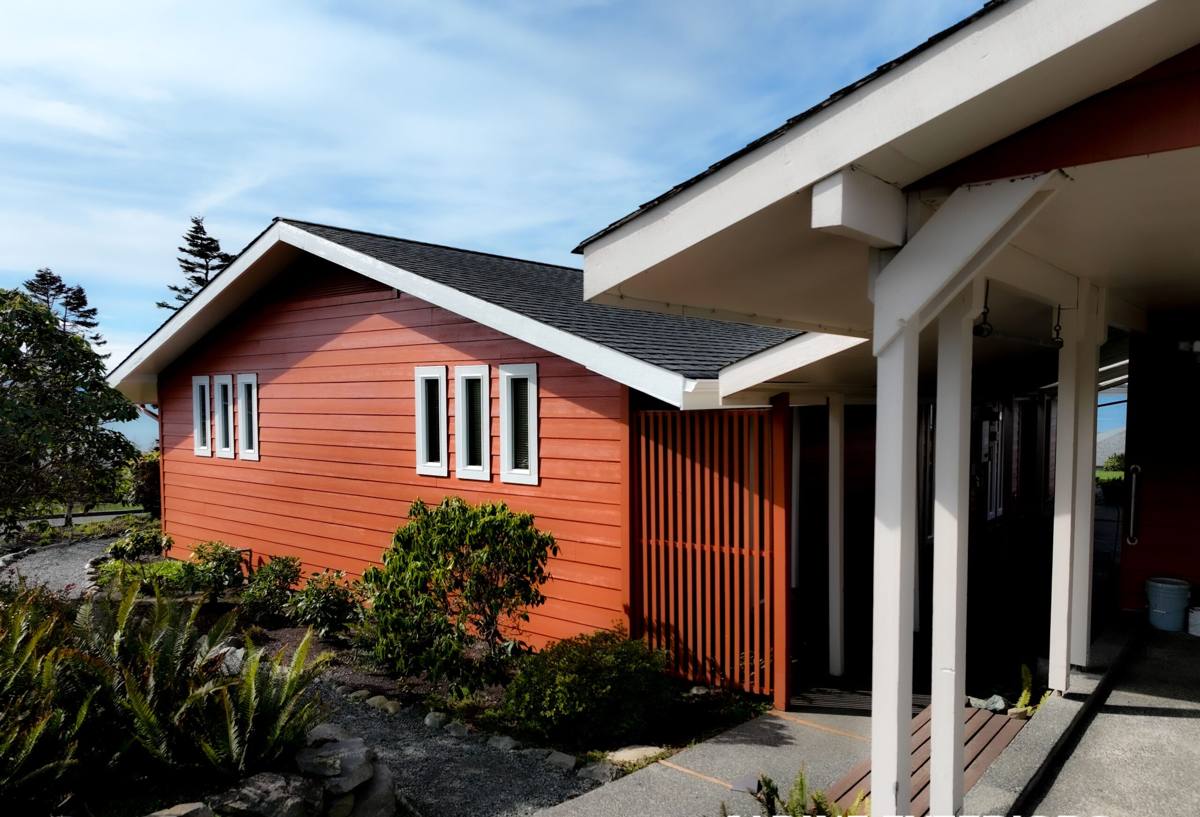
Birchwood homes sit close enough to the water and the tree line that their windows take a different kind of beating than a house twenty miles inland. Salt-laced air off the bay works into aluminum and steel components over time. Driving rain, pushed sideways by wind off the Strait, finds every gap in a poorly flashed frame. And the long, wet moss season that Whatcom County is known for doesn't stop at your roof — it creeps into window sills, tracks, and any horizontal surface that holds moisture longer than it should. A window that would be fine in a drier climate can fail here in half the time if it wasn't installed with these specific conditions in mind.
When we talk about "custom windows" for a Birchwood property, we mean two things: windows sized and configured to fit your home's actual openings and architecture, and windows detailed — flashed, sealed, and finished — specifically for a marine, high-rainfall environment. Skipping either half of that is how homeowners end up with a window that looks right on installation day and starts showing rot, fog, or drafts within a few winters.
What Local Homes Actually Need From Their Windows
Moisture Management First
In Bellingham, the single biggest predictor of a window's lifespan isn't the glass — it's how well water is kept out of the wall assembly around it. That means proper flashing tape and pan flashing at the sill, a weather-resistive barrier that laps correctly with the window's nailing fin, and sealant details that direct water out and down instead of trapping it against wood framing. A beautiful window installed without this groundwork will still lead to rot inside the wall, often invisible until the damage is significant.
Materials That Handle Salt Air
Homes closer to Bellingham Bay or exposed to onshore wind see faster corrosion on cheap hardware — hinges, cranks, and locking mechanisms — and faster degradation of unprotected metal. We pay attention to hardware quality and frame material for this reason, not just the glass package.
Standing Up to Moss and Sustained Damp
Whatcom County's moss season isn't limited to roofs. Window sills, especially on the north and west sides of a home where sun exposure is limited, stay damp for extended stretches in fall and winter. Wood sills without adequate protection or drainage can develop soft spots and moss growth in the same way a shaded roof valley does. Detailing the sill to shed water and choosing sill materials that won't hold moisture matters as much here as the glazing itself.
Choosing the Right Frame Material for This Climate
There's no single "best" window material — the right choice depends on your home's exposure, your budget, and how much upkeep you want to take on. Here's how the common options perform in a Whatcom County marine climate:
| Material | Moisture/Salt Air Performance | Maintenance | Typical Lifespan Here |
|---|---|---|---|
| Vinyl | Good — won't rot or corrode; UV can affect lower-grade vinyl over decades | Low — occasional cleaning | 20–30 years |
| Fiberglass | Excellent — very stable, resists warping from wet/dry cycles | Low | 30–40+ years |
| Wood (unclad) | Poor without diligent upkeep — most vulnerable to rot and moss in damp, shaded spots | High — regular painting/sealing | Highly variable, shorter if neglected |
| Wood-clad (aluminum or fiberglass exterior) | Good — exterior shell protects the wood core, interior keeps natural look | Moderate | 25–35 years |
| Aluminum | Fair — prone to condensation and, near the bay, more susceptible to corrosion without a quality finish | Low | 20–25 years |
For most Birchwood homes, we steer people toward vinyl or fiberglass unless the house's architecture calls for the look of wood-clad — and if it does, we make sure the exterior cladding is doing the real weather protection while the wood stays cosmetic and interior-facing.
Signs Your Windows Are Losing the Fight
Because the damage from moisture intrusion often happens inside the wall before it's visible on the surface, it helps to know the early warning signs:
- Fogging or condensation between panes — a failed seal on double- or triple-pane glass
- Soft or discolored wood at the sill or lower frame corners
- Visible moss or persistent green film on sills or exterior trim
- Drafts you can feel with a hand near the frame on a windy day
- Difficulty opening, closing, or locking — often a sign of frame swelling or hardware corrosion
- Paint or finish bubbling or peeling on the interior or exterior frame
- Noticeably higher heating bills in a home that hasn't changed its use patterns
Any one of these on its own isn't necessarily an emergency, but two or more on the same window usually means moisture has already worked past the surface finish.
How We Approach a Custom Window Job
1. On-Site Assessment
We start by looking at the actual condition around each opening — not just the window itself, but the sheathing, trim, and framing it's set into. This tells us whether we're dealing with a straightforward replacement or a situation where water has already gotten into the wall and needs to be addressed before a new window goes in.
2. Sizing and Selection
Custom means the window is built to your home's actual rough openings, not the nearest stock size with shims and gap-filling to make it fit. We help you weigh frame material, glass package, and style against your home's exposure and your budget, without pushing a single "house brand."
3. Removal and Prep
Old windows come out carefully so we can inspect the opening underneath. This is where hidden rot or past improper flashing usually shows up, and it's far cheaper to catch and fix at this stage than after a new window is sealed in over the top of it.
4. Flashing and Weatherproofing
This is the step that determines how the window performs in driving rain, and it's the one most often rushed by crews unfamiliar with our climate. Correct pan flashing, fin taping, and weather-barrier integration happen before the window is ever set.
5. Setting, Sealing, and Finish Work
The window is set level and plumb, fastened per manufacturer spec, insulated around the frame without over-packing, and finished with sealant and trim that match the rest of the home.
6. Final Walkthrough
We check operation, locks, and seals with you before considering the job done, and explain any maintenance specific to the materials you chose.
Cost Factors Homeowners Should Understand
Window pricing varies a lot based on a handful of real factors — here's what actually drives the number up or down, so you can budget with a clearer picture instead of guessing:
| Factor | Effect on Cost |
|---|---|
| Frame material (vinyl vs. fiberglass vs. wood-clad) | Fiberglass and wood-clad typically cost more upfront than vinyl |
| Glass package (double-pane, triple-pane, low-E coatings) | Higher-performance glass adds cost but reduces long-term energy loss |
| Opening condition (rot, out-of-square framing) | Repairs beyond a standard swap add labor and material cost |
| Number and size of openings | Larger or custom-shaped windows cost more to fabricate and install |
| Access and exposure | Upper-story or hard-to-reach windows add labor time |
We give straightforward, itemized estimates so you can see where the money is going, rather than a single lump number that hides what's driving the cost.
Why It Matters That We Already Work in Birchwood
A crew that's worked other homes in this neighborhood already knows the general housing stock, common orientation issues (which sides of a home take the worst of the wind and rain), and the kind of moisture problems that show up here specifically. That's not a substitute for assessing your home individually, but it does mean fewer surprises and a faster, more accurate read on what your windows and the openings around them actually need. It also means we're a known, findable crew if a question or warranty issue comes up years down the road — not a company that did one job in the area and moved on.
Maintaining Custom Windows in a Wet, Salty Climate
Even the best-installed window benefits from a little seasonal attention in this climate:
- Clear moss and debris from sills and tracks before it holds moisture against the frame
- Rinse salt residue off exterior frames periodically if your home is closer to the water
- Check and refresh exterior caulking or sealant lines every couple of years
- Test operation and locks seasonally so hardware issues are caught early, not after they seize
- Keep gutters and downspouts clear so water isn't sheeting down across upper windows
None of this is heavy labor, but skipping it is how a well-installed window ends up needing early attention anyway.
Get a Straight Answer on What Your Windows Need
If you're not sure whether your Birchwood home needs a full window replacement, targeted repairs, or just better maintenance, we're happy to take a look and give you an honest read — no pressure, no upsell. Fill out the form below for a free estimate and we'll walk you through what we find and what it would take to fix it right for this climate.