 Bellingham Siding
 Custom Windows Built for Sunnyland's Weather
Sunnyland sits close enough to Bellingham Bay that homes here take on a specific mix of weather stress: salt-laden air off the water, wind-driven rain that finds every gap in a window's seal, and a long stretch of the year where moss and mildew have the moisture and shade they need to spread. Windows are one of the first places that shows up. A window that was fine ten or fifteen years ago in a drier climate often struggles here — fogging between panes, sticking sashes, soft trim, or a draft you can feel standing near the glass on a windy evening.
Custom windows aren't about upgrading for the sake of it. They're about matching the window — its frame material, glass package, and installation detail — to what a Sunnyland home actually deals with year-round. That's a different conversation than a stock big-box window swap, and it's worth having before you buy anything.
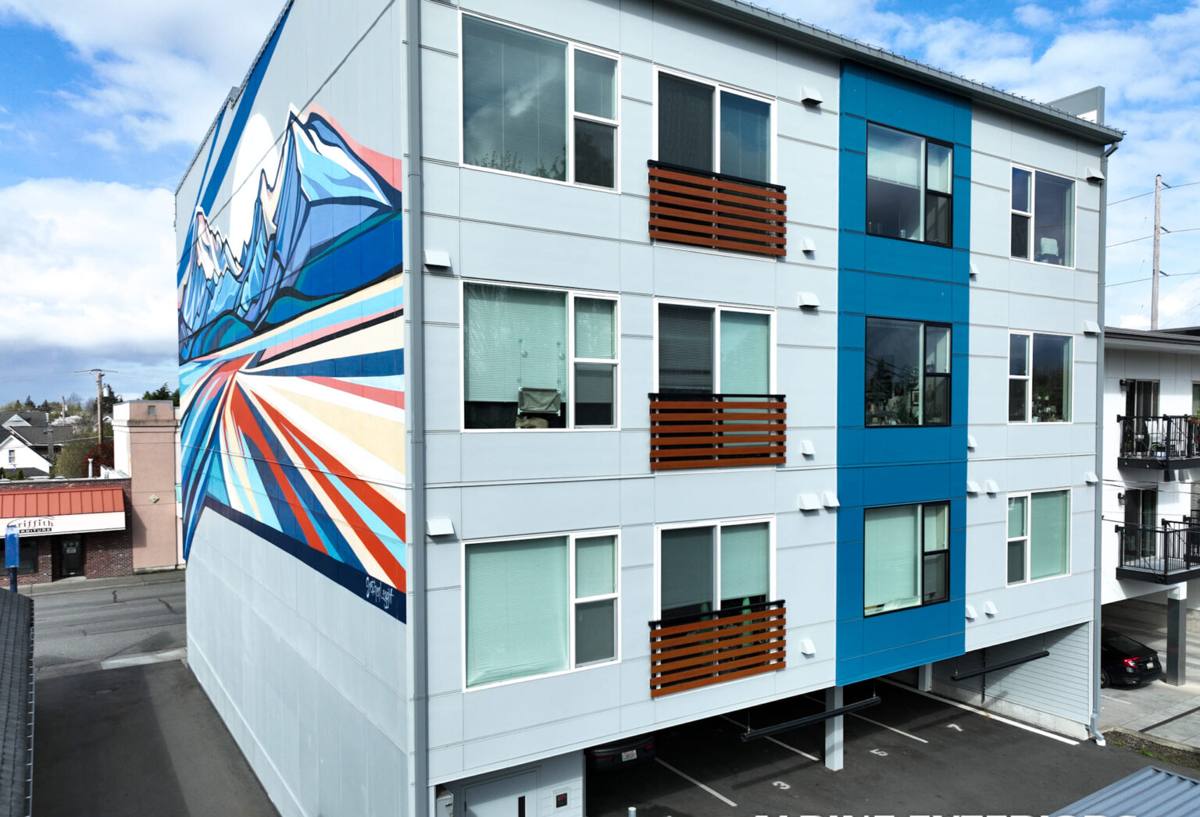
What Bellingham's Climate Actually Does to a Window
Salt Air
Proximity to the bay means airborne salt settles on exterior surfaces, including window frames and hardware. Over years, salt exposure accelerates corrosion on lower-grade metal components — hinges, locks, and cheaper aluminum cladding — and can dull or pit finishes that weren't rated for coastal exposure.
Driving Rain
Whatcom County rain is rarely a gentle vertical drizzle. Storms off the Strait push rain sideways into west- and south-facing walls, which puts real pressure on window flashing, sill pans, and the seal between the window unit and the rough opening. A window that's watertight in a lab test can still leak on a house if the installation flashing wasn't detailed correctly for wind-driven rain.
Moss Season
Shade, moisture, and mild temperatures give moss and algae a long growing window on the Northwest side of the Cascades — often eight or nine months of the year. Wood sills, wood-clad frames, and any horizontal trim ledge near a window are natural landing spots. Left unchecked, moss holds moisture against wood and paint, which is how rot gets started long before it's visible from inside.
Signs a Sunnyland Home Needs a Closer Look
- Condensation or fogging trapped between the panes of a double-pane window — the seal has failed and the insulating gas is gone
- Visible moss, algae, or dark staining on the sill or bottom rail
- Soft or spongy wood when you press a fingertip into the sill or frame
- Windows that are hard to open, close, or lock — often a sign the frame has swelled or shifted
- A noticeable draft near the window on a windy day, even with the window latched
- Peeling or bubbling paint on interior trim near a window, which usually means moisture is getting in from outside
- Visible daylight or a gap around the exterior trim where it meets the siding
Any one of these on its own might just need a repair. Several together, especially on the same wall, usually means the window and its flashing are due for replacement rather than another patch.
What "Custom" Actually Means
Custom doesn't necessarily mean an unusual shape or a premium price tag. Most of the time it means the window is built to your exact rough opening rather than forced to fit a standard size, and the frame material, glass, and hardware are chosen for how that specific window will be used and exposed. A north-facing window in a shaded part of the yard has different needs than a west-facing window that takes the brunt of storm winds.
Frame Material Comparison
| Material | Moisture & Salt Resistance | Maintenance | Typical Fit |
|---|---|---|---|
| Vinyl | Good — won't rot or corrode, holds up well to salt air | Low — occasional cleaning | Most homes; strong value for full replacement |
| Fiberglass | Very good — dimensionally stable in wet, swinging temps | Low | Larger openings, high-exposure walls |
| Wood-clad | Fair — interior wood needs protection from any leak | Higher — finish and seals need periodic attention | Homes where interior wood trim matters aesthetically |
| Aluminum | Fair — can corrode over time in salt air unless well-finished | Moderate | Certain architectural or historic-style applications |
None of these is universally "the best" — the right call depends on which wall the window is on, how much sun and rain it takes, and what look you want from inside and out. We'll walk through the trade-offs for your specific openings rather than pushing one material for every window on the house.
Glass and Weatherproofing Details That Matter Here
In a climate like Whatcom County's, the glass package and the installation detailing matter as much as the frame material.
- Low-E coatings help control heat loss through the glass, which matters through a long Bellingham heating season
- Argon or krypton gas fills between panes improve insulation value and help reduce interior condensation on cold, damp mornings
- Warm-edge spacers reduce the cold spot at the edge of the glass where condensation and eventual seal failure most often start
- Sill pan flashing under the window creates a drainage path so any water that gets past the exterior seal has somewhere to go besides your wall framing
- Properly lapped house wrap and flashing tape around the window opening, integrated with the siding, is what actually stops wind-driven rain — the window unit itself is only half the system
That last point is where a lot of window problems actually originate. A quality window installed with poor flashing will still leak. A modest window installed correctly, with the flashing properly integrated into the wall's water-management layer, will usually outperform it.
Our Process for Sunnyland Homes
1. In-Home Assessment
We look at each window opening individually — orientation, exposure, current condition of the framing and sill, and any signs of past moisture intrusion — rather than quoting a generic per-window price before we've seen the house.
2. Precise Measurement
Older homes settle and openings are rarely perfectly square. We measure each opening individually so the replacement window fits tight without shims doing all the work, which matters for both energy performance and long-term weathertightness.
3. Removal and Inspection
When we pull the old window, we check the sill and framing underneath for hidden rot or moisture damage before anything new goes in. Covering up a soft sill with a new window just delays a bigger repair.
4. Installation and Flashing
The new window is set, leveled, and integrated into the wall's water-management system — flashing, house wrap, and sealant — in that order, so water is directed out and down rather than trapped behind the trim.
5. Finish and Walkthrough
Interior and exterior trim is finished, hardware is tested, and we walk the job with you before we call it done.
What Affects Cost
Every home and opening is different, but a few factors consistently drive the price of a custom window project up or down:
- Window size and whether it's a standard or custom shape
- Frame material chosen (vinyl, fiberglass, wood-clad, or aluminum)
- Glass package — standard double-pane versus upgraded Low-E, gas-filled, or triple-pane glass
- Condition of the existing opening — whether there's hidden rot or framing repair needed once the old window comes out
- Number of windows done at once, since mobilization and setup costs spread across a larger job
As a broad guideline, professionally installed replacement windows in this region commonly run somewhere in the range of a few hundred to a couple thousand dollars per window, installed, depending on the factors above — with larger or custom-shaped units on the higher end. We'll give you an itemized number for your actual openings rather than a rough average, since averages don't tell you much about your specific house.
Why Hire a Crew That Already Works in Sunnyland
A contractor who works regularly in this part of Bellingham has already seen how homes in established, close-in neighborhoods like Sunnyland tend to be built and how they age — the mix of older framing, the exposure patterns from the bay, and where moisture problems typically show up first. That familiarity means fewer surprises once a wall is opened up, and a more realistic estimate from the start.
It also means we're not learning Whatcom County's permitting and inspection expectations on your project. Most straightforward like-for-like window replacements don't require a permit, but anything that changes the size of an opening, affects a load-bearing wall, or falls under specific overlay requirements typically does — and it's worth confirming with the City of Bellingham before work begins rather than after.
Get a Free, No-Pressure Estimate
If you're dealing with foggy glass, a drafty room, or visible moss and staining around a window frame, it's worth having someone take a real look before you decide between a repair and a full replacement. We'll walk your home, look at each affected window honestly, and put together a straightforward estimate — no pressure, no obligation. The form below is the easiest way to get started.