 Bellingham Siding
 Roof Repair Built for Lynden's Weather, Not a Generic Climate
Lynden sits in the flat, open farmland of Whatcom County, and that openness means roofs here take weather straight on. Wind off the Salish Sea carries salt-laden air inland, driving rain comes in sideways during fall and winter storms, and the long, damp Pacific Northwest shoulder seasons keep roofs wet for weeks at a time. None of that is dramatic on its own, but stacked together year after year, it wears down flashing, granules, and fasteners faster than a roof in a drier climate. A repair that works in Arizona or even Eastern Washington often doesn't hold up here, because it wasn't built to handle constant moisture cycling and the moss that comes with it.
When we repair a roof in Lynden, we're not just patching what's broken today. We're looking at why it broke and whether the same failure is waiting to happen six feet away. That's the difference between a repair that lasts a full roof cycle and one you'll be calling about again next winter.
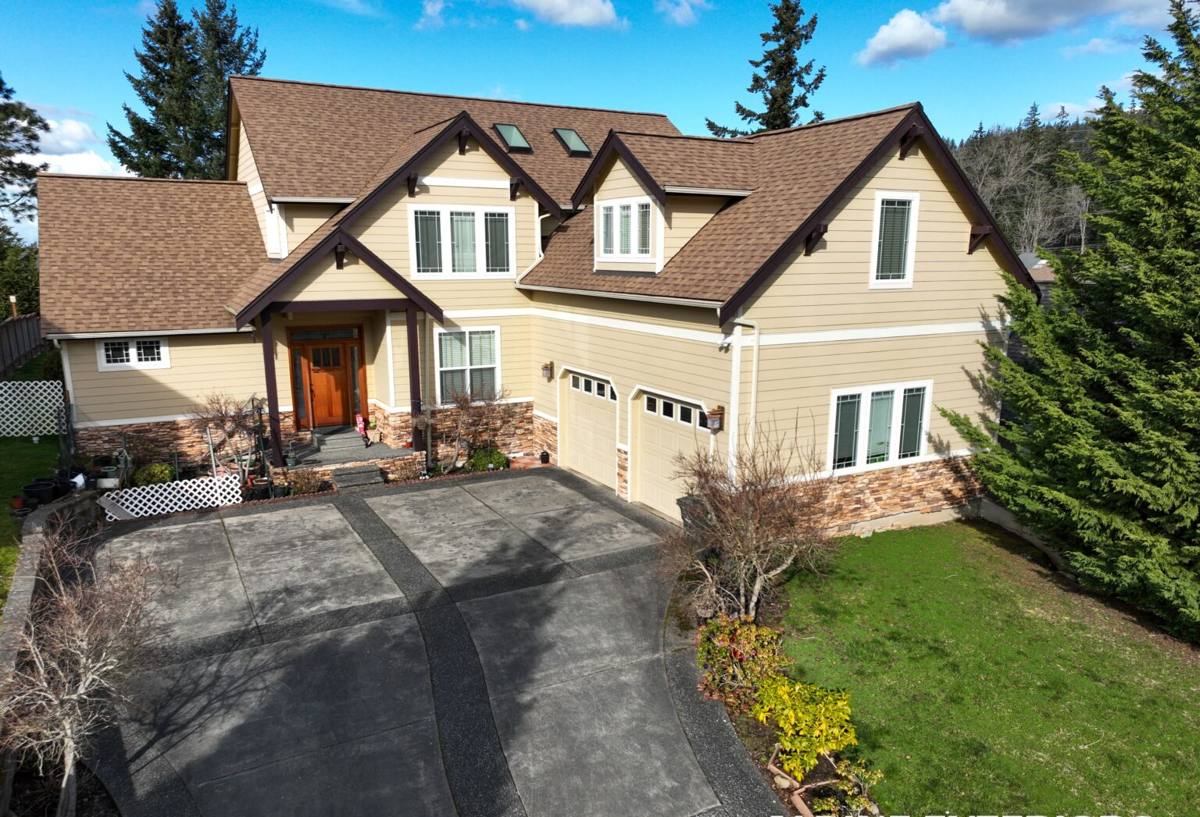
Why Whatcom County Roofs Wear the Way They Do
Three things drive most of the repair calls we get in this area, and they compound each other:
Salt Air and Corrosion
Homes farther inland assume they're safe from salt exposure, but wind patterns off the water carry fine salt particulate well into Whatcom County's farmland and small towns. Over time it accelerates corrosion on exposed metal — flashing, fasteners, vent caps, and gutter hardware — especially where galvanizing has worn thin or where lower-grade metal was used originally.
Driving Rain
Rain that falls straight down is easy for any roof to shed. Rain that's pushed sideways by wind finds every weak seam: under-lapped shingles, gaps at step flashing, and valleys that weren't detailed correctly the first time. Most of the "mystery leaks" we diagnose in Lynden trace back to wind-driven rain finding a small gap rather than a roof failing outright.
A Long Moss Season
Between shaded lots, tree cover common on rural and semi-rural properties, and a rainy season that stretches longer here than in most of the country, moss gets a long runway to establish itself. Left alone, it lifts shingle edges, holds moisture against the roof deck, and turns a cosmetic issue into a structural one.
Common Repairs We're Called For in Lynden
- Moss and algae removal with treatment to slow regrowth, plus repair of any shingle lift or granule loss it caused
- Flashing repair or replacement at chimneys, skylights, and roof-to-wall transitions where corrosion or gaps have started
- Valley repairs where wind-driven rain has worked past aging or improperly lapped material
- Fastener and seal repair after wind events, particularly on older comp shingle roofs
- Gutter and edge-flashing repair where clogged moss debris has caused water to back up under the roof edge
- Localized deck repair where a slow leak has gone unnoticed long enough to soften the sheathing underneath
What a Correct Roof Repair Actually Involves
A roof repair that's done right starts before anyone touches a shingle. We inspect the full roof, not just the spot where the leak showed up inside, because water rarely drips straight down from where it enters — it travels along the deck or rafters first. Skipping this step is the single most common reason repairs fail: a leak gets "fixed" at the visible stain, but the actual entry point three feet away keeps working.
Once we know the real cause, the repair itself usually involves matching the existing roofing material as closely as possible, replacing damaged flashing rather than resealing it with caulk, and confirming the roof deck underneath is still sound before closing everything back up. Caulk and sealant have a place in roofing, but they're a short-term patch, not a substitute for correctly lapped flashing and shingles — we use them where they belong and explain when a spot is being treated as a stopgap versus a permanent fix.
Repair or Replace? How We Help You Decide
Not every damaged roof needs to come off. But a repair on a roof that's already near the end of its service life can end up being money spent twice. Here's how we weigh it:
| Factor | Leans Toward Repair | Leans Toward Replacement |
|---|---|---|
| Roof age | Under 15–18 years (asphalt shingle) | Approaching or past manufacturer's rated lifespan |
| Extent of damage | Isolated to one area or system (flashing, one valley) | Multiple areas failing independently |
| Moss/algae staining | Surface growth, shingles still intact underneath | Granule loss and shingle curling widespread |
| Roof deck condition | Dry, solid sheathing | Soft spots or rot found in more than one location |
| Remaining shingle stock match | Discontinued but close match available | No reasonable match; patch would be visibly different |
When the honest answer is "repair," we tell you that. When it's "replace," we'll explain exactly why rather than defaulting to the bigger job.
Our Process for Lynden Homeowners
- Inspection. We walk the full roof (weather permitting) and check the attic or interior where accessible, tracing water paths rather than assuming the leak is directly above the stain.
- Honest diagnosis. You get a plain-language explanation of what's failing, why, and whether it's a repair or a sign of bigger issues ahead.
- Written estimate. Clear scope, clear price range, no vague allowances.
- The repair. Matched materials, correctly lapped flashing, and deck repair where needed — not just a surface patch.
- Follow-up. We confirm the fix is holding, particularly after the first real storm following the repair.
Signs Your Lynden Roof Needs a Repair Now
- Dark streaking or thick moss growth, especially on north-facing slopes or under tree cover
- Granules collecting in gutters or at downspout outlets
- Shingles that look lifted, curled, or cracked at the edges
- Water stains on interior ceilings that appear or worsen after wind-driven rain
- Visible rust or gaps at flashing around chimneys, vents, or skylights
- Sagging in the roofline or soft spots felt underfoot if you're on the roof
Any one of these on its own might be minor. Two or more together usually means water has already found a way in, even if it hasn't shown up inside yet.
Why Hiring a Crew That Already Works in Lynden Matters
Roofing crews unfamiliar with this part of Whatcom County sometimes treat moss as a cosmetic issue and rain intrusion as a one-time fluke — because in a drier or less coastal-influenced market, that's often true. Here, both are recurring conditions the roof has to be repaired to handle long-term, not just patched to survive until the next inspection. A crew that regularly works Lynden roofs knows which failure points show up again and again in this climate, what local permitting and code requirements apply to roofing work, and how to detail a repair so it holds through another wet season rather than needing a second visit.
We also know that a lot of Lynden's housing stock ranges from older farmhouses to newer builds on smaller lots, and each comes with its own common weak points — older homes often have flashing details that were adequate decades ago but don't meet today's standard, while newer homes sometimes have valleys or penetrations that were rushed during a fast build cycle. Recognizing the difference on sight saves time and saves you from paying for diagnosis that a generic inspection would miss.
What Affects Roof Repair Cost in Lynden
Every roof and every repair is different, so we won't quote a number without seeing the roof — but the main cost drivers are consistent:
- Scope: a single flashing repair costs far less than repairing multiple valleys or a section of deck
- Access: steep pitches, tall sections, or roofs with limited safe access take longer and cost more
- Material match: sourcing a close match for an older shingle color or profile can add time
- Deck condition: hidden rot found once we open up the area adds material and labor
- Moss remediation: full treatment and cleaning versus a spot repair changes scope
Small, isolated flashing or shingle repairs are typically a modest expense measured in a few hundred dollars; larger repairs involving deck work, multiple valleys, or extensive moss remediation run higher. We'll always give you the range in writing before any work starts, along with what would push the price toward the low or high end.
If you're dealing with a leak, moss buildup, or storm damage on a Lynden roof, we're glad to take a look and give you a straight answer — repair, replace, or leave it alone for now. Reach out through the form below for a free, no-pressure estimate.