 Bellingham Siding
 Why Decks in Puget Take a Beating
A deck in the Puget area of Bellingham lives outside year-round in a climate that doesn't do decks any favors. Salt-laden air drifts in off the Sound and settles into fastener heads, joist hangers, and any exposed end grain. Driving rain off Whatcom County's marine weather pattern finds its way behind ledger boards and under railing posts if the flashing was ever installed loose or skipped altogether. And for a good stretch of the year, moss and algae move in on any deck surface that doesn't get a few hours of direct sun, turning boards slick and holding moisture against the wood long after the rain has stopped.
None of that means a deck can't last. It means a deck built or repaired for this specific climate needs different attention than the same deck would in a dry inland climate — better flashing details, corrosion-resistant fasteners, and a repair approach that treats moss and standing water as a structural issue, not just a cosmetic one.
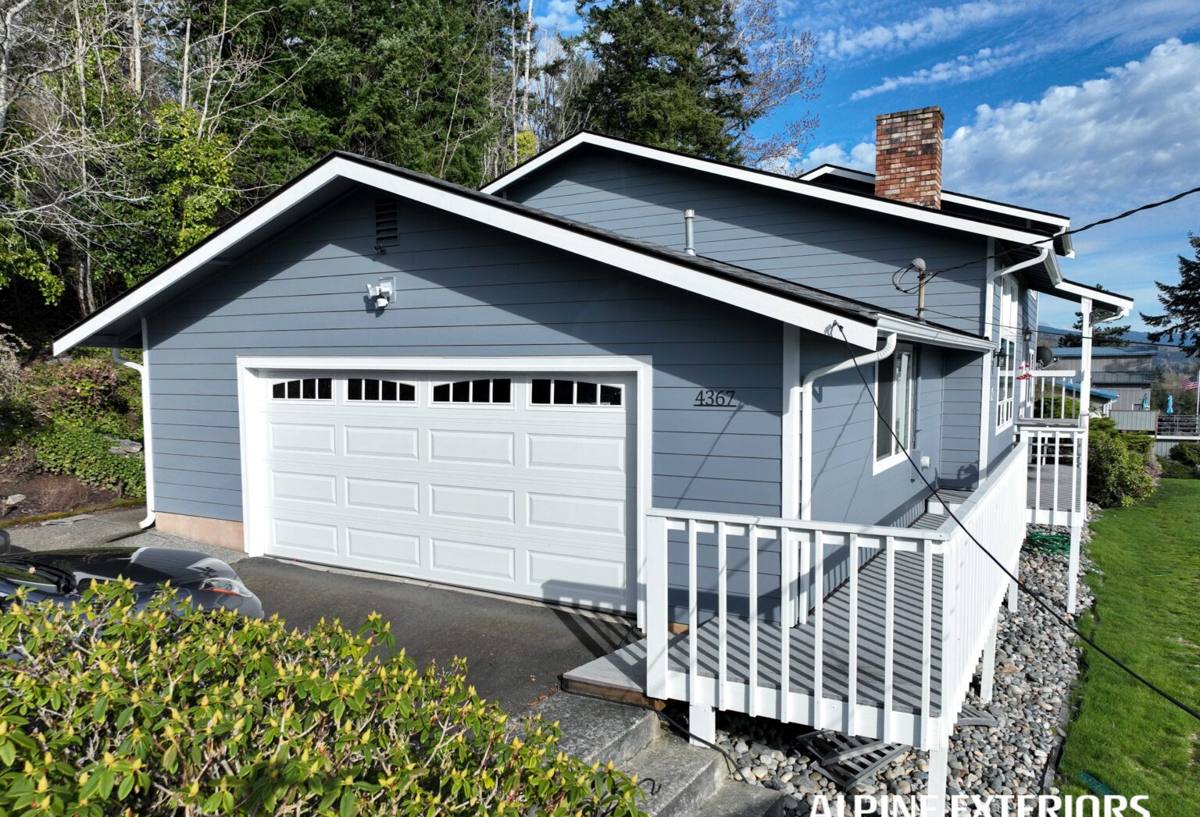
What Puget Homeowners Usually Call Us About
Most deck repair calls in this neighborhood fall into a handful of categories. Soft or spongy decking boards, usually near the house where rain runoff collects. Railings that wiggle at the post because the mounting hardware has corroded or the post itself has started to rot from the inside out. Stair stringers that have pulled away or split. And ledger boards — the piece that bolts the deck to the house — showing water staining or soft wood where flashing failed years ago and nobody noticed until the deck started to feel unsteady.
A lot of these problems start small and get ignored because the deck still "feels fine" to walk on. In a wetter climate, that window between first signs and real structural concern is shorter than most homeowners expect, because moisture doesn't just sit on the surface — it works into end grain, fastener holes, and any place two pieces of wood meet.
Signs It's Time to Call, Not Wait
- Boards that feel soft, spongy, or flex noticeably underfoot
- Railings or posts that move when you lean on them
- Dark staining, streaking, or a persistent damp smell near the ledger board where the deck meets the house
- Gaps opening up between decking boards or around stair stringers
- Green or black film that keeps coming back within weeks of cleaning
- Fasteners with rust bleeding out around the screw or nail head
- A deck that was never sealed or stained, or hasn't been in several years
What a Correct Deck Repair Actually Involves
Deck repair done right isn't just swapping out the boards that look bad. It starts underneath.
Ledger Board and Flashing
The ledger board is the single most important connection on most decks, and it's also the piece most likely to have been under-flashed originally, especially on older Bellingham homes where deck flashing standards were looser than they are today. A proper repair means pulling back enough decking to actually inspect the ledger and the flashing behind it, not just caulking a visible gap and calling it done. If water has been getting behind that ledger for years, the repair may need to go into the rim joist or even the framing behind the siding.
Framing and Posts
Joists, beams, and posts get probed for soft spots, particularly anywhere they sit close to grade or where a downspout has been dumping water nearby. Rot rarely stays contained to one board — if a joist has gone soft, the ones next to it usually aren't far behind, so we check the whole run rather than assuming the problem is isolated.
Decking, Railings, and Fasteners
Individual boards get replaced where they're compromised, using fasteners rated for exterior and, where relevant, treated-lumber contact — a real concern with salt air, since standard hardware corrodes faster here than it would inland. Railings get re-secured at the post base, which is usually where the failure actually is even when the top rail is what feels loose.
Repair vs. Rebuild: What Actually Drives the Decision
Not every deck problem calls for a full rebuild, and not every deck is worth patching. The honest answer usually comes down to how much of the structure — not the surface — is still sound.
| Factor | Leans Toward Repair | Leans Toward Rebuild |
|---|---|---|
| Framing and posts | Solid, no soft spots found on inspection | Rot found in multiple joists or the ledger connection |
| Age of the deck | Under 12–15 years, built to a reasonable original standard | Original construction is old enough that hardware and flashing methods are outdated throughout |
| Extent of damage | Isolated boards, a railing section, one stair run | Damage spread across the whole surface or affecting the ledger |
| Budget over time | Lower upfront cost, addresses what's actually failing now | Avoids paying for repairs on a structure that will keep needing them |
As a general range, targeted repairs — a few boards, a railing section, refastening — often run a few hundred dollars. Anything involving the ledger board, framing, or a significant share of the deck surface moves into a much wider range, and we won't put a number on that until we've actually opened it up and looked. We'd rather give an honest estimate after inspection than a guess that changes once we start work.
Material Choices That Make Sense for This Climate
When we're replacing boards or rebuilding sections, the material choice matters more here than it would in a drier region.
Pressure-Treated Lumber
Still the most common and most affordable option for framing and decking. It holds up well against rot when properly maintained, but it does require periodic sealing or staining — skip that in a climate with this much rainfall and moss pressure, and you're back to repair calls sooner than you'd like.
Composite and Capped Decking
A reasonable option for homeowners who want to get off the maintenance cycle. It resists rot and doesn't need staining, though it's not immune to moss and algae growth on shaded, low-airflow sections — it just doesn't rot from it the way wood does. It's a higher upfront cost, which is the honest trade-off against the lower long-term maintenance.
Cedar
Naturally rot-resistant and a good regional fit, but it's a softer wood that shows wear faster underfoot and, like any wood species, still needs a sealed finish to perform well against Whatcom County's rainfall totals.
How We Approach a Repair Job
- Full inspection from underneath the deck where access allows — not just a walk across the surface
- Probing the ledger board, rim joist, posts, and any board that shows staining or softness
- A clear rundown of what's failing, what's still sound, and what a repair versus rebuild would each involve
- Written estimate before any work starts, with no surprise scope changes unless we find something during demo that changes the picture — and we'll show you if that happens
- Repair work using corrosion-resistant fasteners and proper flashing details suited to this climate
- A final walk-through so you know what was done and what to watch for going forward
Why It Matters That We Already Work in Puget
Deck problems in this part of Bellingham tend to follow patterns — where moss builds up fastest, which ledger flashing details were common in older construction, how much moisture a shaded north-facing deck holds compared to one that gets afternoon sun. A crew that's already worked on homes in this neighborhood isn't guessing at any of that. We know what to check first, and we're not learning the local climate's effect on a deck for the first time on your job.
There's also a practical side: a local crew can get out for a real inspection without a long drive tacked onto the estimate, and we're not disappearing after the job — if something comes up in year two, we're still local and still reachable.
Keeping a Repaired Deck in Good Shape
Once a deck is repaired, a little seasonal attention goes a long way in this climate. Clear leaves and debris before they trap moisture against the boards. Give decking a scrub or a wash before moss gets a foothold rather than after it's established, since established moss holds water against the wood surface even after the visible growth is removed. Re-seal or re-stain wood decking on the schedule the product calls for — skipping a cycle here costs more than it would somewhere drier, because there's more rain to make up for lost ground. And keep an eye on drainage near the house side of the deck; a downspout or grading issue that dumps water at the ledger will undo a good flashing repair over time.
If your deck in Puget is showing any of the signs above, or you just want an honest read on what shape it's in, we're glad to come take a look. The estimate is free, there's no pressure attached to it, and you'll walk away knowing exactly what your deck needs — whether that's a repair, a rebuild, or nothing at all right now.