 Bellingham Siding
 Window Installation Built for Ferndale's Coastal Climate
Ferndale sits close enough to the water and open farmland that its houses take weather from more directions than most inland towns. Salt-tinged air moves in off the Salish Sea, driving rain comes sideways during winter storms, and shaded north sides of homes stay damp long enough to grow moss for months at a time. None of that is unusual for anyone who has lived in Whatcom County a while, but it matters a lot when you're choosing windows and choosing who installs them. A window that's a fine product on paper can still fail early if it's set into a wall without the right flashing, sealant, and drainage detail for this specific climate.
This page is about window installation for Ferndale homes specifically — what the local weather does to windows over time, what a correct installation actually looks like, and why it helps to hire a crew that already does this work in the area rather than a company driving in from somewhere with a very different climate.
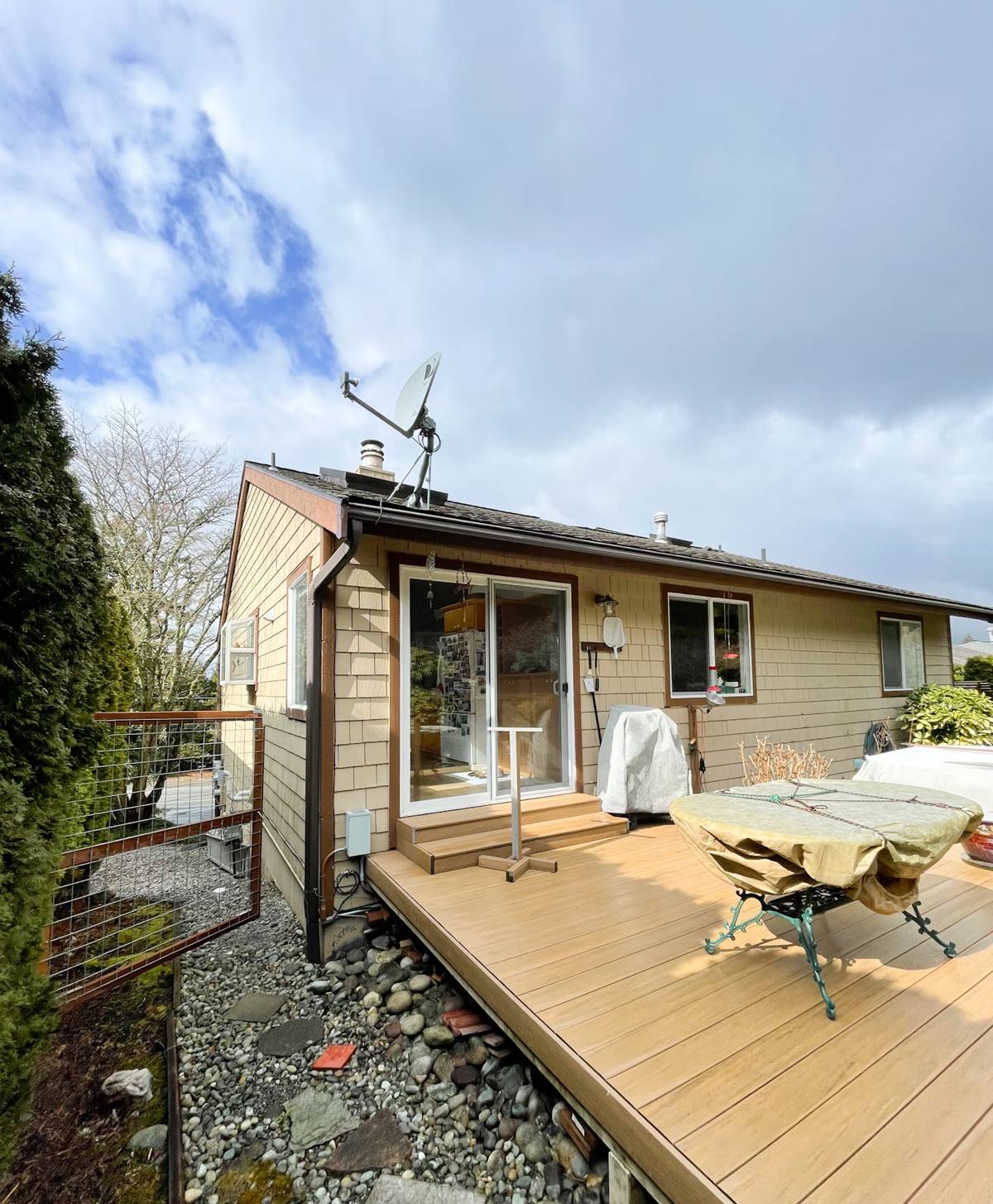
What Salt Air, Driving Rain, and Moss Do to Windows Over Time
Salt Air and Hardware
Homes closer to open water pick up fine salt in the air, and that salt settles on window hardware, screen frames, and exposed fasteners. Over years it accelerates corrosion on lower-grade metal parts — hinges on casement windows, balance systems, and screen clips are usually the first to show it. It's rarely dramatic; it's a slow stiffening of hardware and pitting on anything that isn't well-protected metal or coated properly.
Driving Rain and Water Intrusion
Storms here don't always come straight down — wind-driven rain gets pushed sideways and up under trim, sills, and poorly sealed joints. A window can look properly installed and still let water track in behind the frame if the flashing wasn't lapped correctly or the sealant joint was skipped in the wrong spot. That's water intrusion you often don't see until there's already damage to the framing or sheathing behind the wall.
Moss, Shade, and Trapped Moisture
Ferndale's tree cover and long wet season keep some exterior surfaces damp for weeks without a real drying window. Moss and algae growth on siding and trim near windows hold moisture against the wall longer than bare siding would, which is hard on wood trim and can telegraph problems into the window opening itself if the surrounding siding and flashing aren't keeping water moving out and away.
Signs a Ferndale Home Needs New Windows
Some of these show up gradually, which is why homeowners often live with a failing window for a year or two before addressing it. Worth checking for:
- Fogging or a permanent haze between panes — the seal on the insulated glass unit has failed and it can't be repaired, only replaced
- Visible gaps, soft or discolored wood, or paint failure at the sill and lower corners of the frame
- Windows that are hard to open, close, or lock, or that no longer stay up on their own
- Noticeable draft or cold spot near the window even with it fully closed
- Condensation forming on the inside of the glass regularly during cold snaps
- Visible daylight or a whistling sound around the frame during windstorms
- Moss, dark staining, or soft trim on the exterior casing around the window
Any one of these on its own might just need repair or resealing. Several together, especially soft wood at the sill, usually mean it's time to talk about replacement before the damage spreads into the wall framing.
Full-Frame Replacement vs. Insert Replacement
There are two basic approaches to replacing a window, and the right one depends on the condition of the existing frame and sill — not just personal preference.
| Approach | What It Involves | Best For |
|---|---|---|
| Insert (pocket) replacement | New window unit fits inside the existing frame; exterior trim and siding stay in place | Existing frame and sill are sound, dry, and square; faster, less disruptive job |
| Full-frame replacement | Old frame is removed down to the rough opening; new flashing, sill pan, and window are installed fresh | Rot, water damage, or a frame that's out of square; also the right call when siding is being replaced at the same time |
Insert replacement is often the more affordable option, but it only works if the existing opening is actually in good condition. Setting a new window into a frame that's already compromised just seals the moisture problem in behind it. On a Ferndale home where a window has been through years of driving rain, we check the sill and framing before recommending either approach — not before quoting one.
Window Materials That Hold Up in Whatcom County
Material choice affects how a window handles this climate long-term, and it's worth understanding the real trade-offs rather than picking on looks or price alone.
| Material | How It Handles This Climate | Trade-Offs |
|---|---|---|
| Vinyl | Won't rot, doesn't need painting, handles moisture well; a common, cost-effective choice | Frame color/finish options are more limited than wood or fiberglass; quality varies a lot between manufacturers |
| Fiberglass | Very stable in temperature swings, resists moisture and corrosion, holds paint well if you want a custom color | Higher upfront cost than vinyl |
| Wood-clad | Warmer look, especially for older or character homes; exterior cladding protects the wood from weather | Requires attention to any exposed wood and proper caulking maintenance over time; more of a maintenance commitment in a wet climate |
We don't push one material on every job. A vinyl window installed correctly with proper flashing will outperform a premium window installed poorly. That said, in a climate with this much sustained moisture exposure, we do steer people away from products or details that put unprotected wood directly in the weather without a real maintenance plan behind them — not because the material is bad, but because it's an ongoing commitment a lot of homeowners don't realize they're signing up for.
What a Correct Installation Actually Involves
Flashing and Drainage
The single biggest factor in whether a window leaks in five years isn't the window — it's the flashing. Water that gets past the outer seal needs a clear path down and out, not a path into the wall cavity. That means a sloped sill pan, properly lapped flashing tape integrated with the house wrap, and drip caps that actually shed water forward off the wall instead of behind it.
Sealing and Insulation
Gaps around the frame need to be insulated, not just caulked shut on the outside. A window that's caulked tight on the exterior but has an open, uninsulated gap behind the trim will still feel drafty and can trap condensation inside the wall. Exterior sealant also has a right order of operations — sealing the wrong layer first can trap water instead of stopping it.
Fit and Finish
A window needs to be shimmed level, plumb, and square before it's fastened — even a slightly out-of-square unit will bind, leak at the corners, or wear out its hardware early. Interior and exterior trim should be reinstalled or replaced cleanly, and any siding disturbed during the job needs to be integrated back into the drainage plane, not just caulked over.
Our Ferndale Window Installation Process
- On-site assessment of existing windows, sills, and surrounding siding/trim to catch hidden moisture damage before it's priced blind
- Honest recommendation on insert vs. full-frame replacement based on what we actually find, not a default answer
- Material and product discussion based on your home, budget, and how much upkeep you want going forward
- Written estimate with a clear scope — what's included, what happens if we find rot once trim comes off
- Installation with proper flashing, sill pan, insulation, and sealing sequence for our climate
- Cleanup and a final walkthrough so you can operate and inspect every window before we call it done
Why Hiring a Crew That Already Works Ferndale Matters
Window installation isn't a one-size-fits-all trade skill. A crew that mostly works in a dry climate can do technically fine work and still miss details that matter here — the extra attention to sill pan slope, the flashing lap sequence for wind-driven rain, or simply knowing which sides of a house in this area take the worst weather. A crew that already works Whatcom County jobs has seen what actually fails on local homes after a few winters, not just what fails on paper.
There's also the practical side: local scheduling around our wet season, familiarity with the permitting expectations for the area, and being reachable afterward if a question comes up rather than being a name from a past job in another region.
Ready for an Estimate?
If you're dealing with drafty, fogged, or failing windows on a Ferndale home, we're happy to take a look and give you a straight answer on what's actually needed — no pressure, no inflated scope. Fill out the form below for a free estimate and we'll walk the property with you.