 Bellingham Siding
 Building Decks for Puget's Marine Environment
Homes in the Puget area near Bellingham sit close enough to the water and the weather patterns coming off Puget Sound that a deck here works harder than the same structure would twenty miles inland. Salt-laden air, long stretches of driving rain, and a moss season that can run from fall through spring all put real stress on wood, fasteners, and finishes. A deck built to a generic set of plans, without those conditions in mind, tends to show problems early: soft spots at the ledger, corroding hardware, and a surface that turns green and slick well before it should.
We build and repair custom decks for homes throughout the Puget neighborhood and the surrounding Bellingham area, and the approach we use here is shaped by what we consistently see fail — and what holds up. This page covers what that means in practice: the conditions your deck is up against, what a correctly built deck actually requires, how the materials compare, and how we run the job from first visit to final walkthrough.
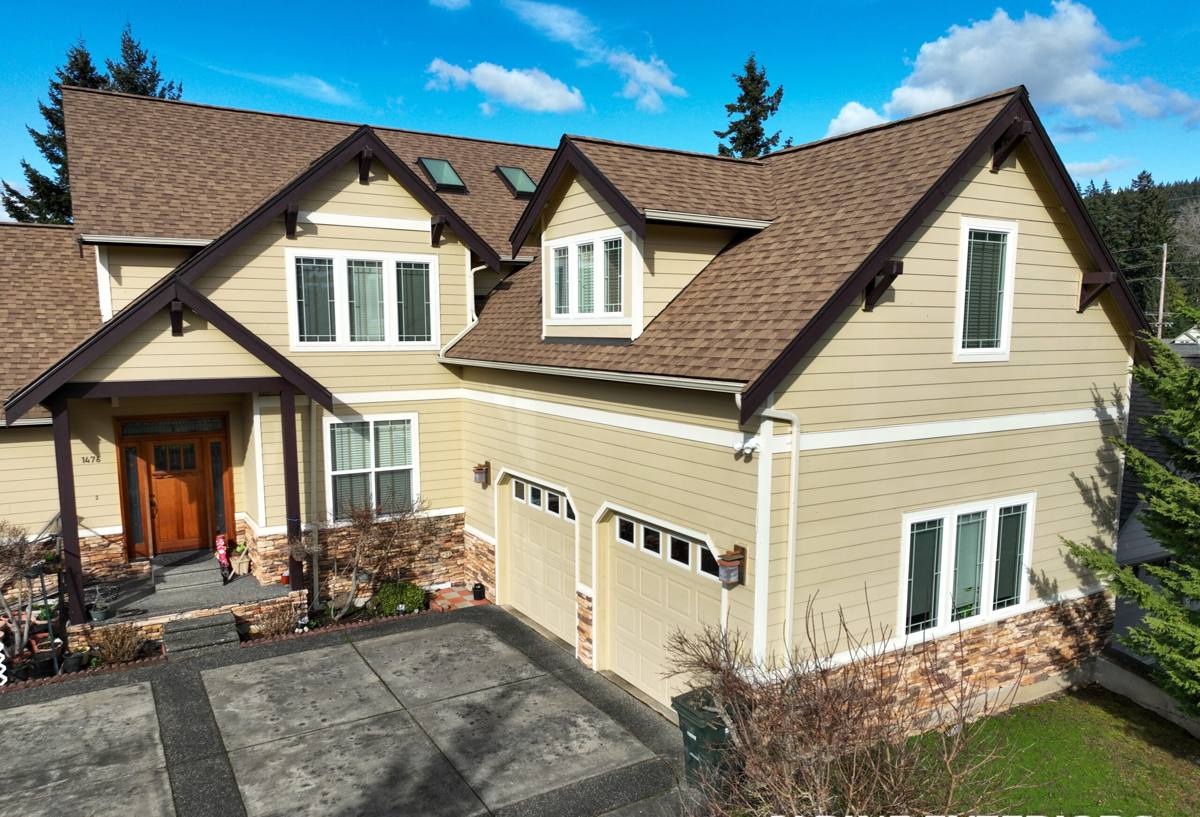
What Salt Air and Driving Rain Do to an Improperly Built Deck
Fastener and Hardware Corrosion
Standard deck screws, joist hangers, and bolts that aren't rated for a coastal or marine-influenced environment can start corroding within a few seasons here. Once a fastener weakens, it's not just cosmetic — it's a structural connection failing quietly under a board you walk on every day. This is one of the most common shortcuts we find when we're called out to look at an older or poorly built deck near the water.
Moisture Intrusion at the Ledger Board
The ledger board — where the deck attaches to the house — is the single most important connection on the structure, and it's also the point most exposed to wind-driven rain. Without proper flashing and a drainage gap behind it, water gets trapped against the house's siding and framing. In a climate with as much sustained wet weather as Whatcom County gets, that trapped moisture doesn't dry out between storms the way it might in a drier region — it just accumulates.
Moss, Algae, and Slip Hazards
Moss doesn't just make a deck look neglected. It holds moisture against the wood surface, accelerates rot in untreated or unsealed boards, and creates a genuinely slick, dangerous walking surface — especially on shaded sides of the house or under tree cover, which describes a lot of lots in this area. A deck built without moss and drainage in mind will need aggressive cleaning or replacement boards far sooner than one designed for it from the start.
What a Correctly Built Custom Deck Requires Here
Framing and Fastener Selection
We frame with lumber and connectors rated for wet, coastal-adjacent use, and we use fasteners and structural hardware built to resist corrosion in salt-influenced air — not just standard exterior-rated hardware. It costs a little more up front and it's not visible once the deck is finished, but it's the difference between a structure that's solid in fifteen years and one that needs hardware replaced in five.
Decking Material Choices
The decking surface itself needs to handle constant moisture cycling — wet, dry, wet again — without cupping, splitting, or holding water. Some materials do this naturally better than others, which is covered in the comparison below. The right choice depends on your budget, how much maintenance you want to take on, and how much shade and moisture the specific spot on your property deals with.
Drainage, Flashing, and Airflow
Proper ledger flashing, a drainage gap between the deck and the house, gapped board spacing, and adequate airflow underneath the deck all work together to keep water moving instead of pooling. This matters more here than in a dry climate, because Bellingham's rainfall is frequent enough that a deck rarely gets a long dry stretch to fully shed built-up moisture on its own.
Comparing Decking Materials for This Climate
Every decking material has real trade-offs. We install and stand behind more than one option because the right answer depends on your site, your budget, and how much upkeep you want to do. Here's how the common choices actually perform under Puget Sound-area conditions:
| Material | Moisture & Salt Air Behavior | Moss & Algae Resistance | Maintenance | General Cost Position |
|---|---|---|---|---|
| Pressure-treated fir/pine | Handles moisture if properly sealed; can cup or split if finish is neglected | Low without regular cleaning and sealing | Annual cleaning, periodic re-sealing | Lowest upfront cost |
| Cedar | Naturally moisture- and rot-resistant; still needs finish maintenance in wet climates | Moderate; benefits from periodic cleaning | Re-staining every few years | Mid-range |
| Composite (capped) | Very stable in moisture cycling; won't rot or splinter | Good; smooth capped surface sheds moss more easily than wood grain | Occasional washing, no staining or sealing | Higher upfront, lower long-term upkeep |
| PVC decking | Fully moisture-proof, does not absorb water | Good to very good with routine washing | Lowest ongoing maintenance | Highest upfront cost |
We don't push one material as universally "best." A shaded, north-facing deck under tree cover is a different job than an open, sun-exposed deck on the same street, and we'll tell you honestly which option makes sense for your specific spot rather than defaulting to whatever has the best margin.
Our Process for Puget-Area Deck Projects
- Site visit and assessment — we look at sun exposure, shade patterns, drainage, existing structure (if this is a rebuild), and how the deck ties into your home's siding and framing.
- Design and material selection — we talk through layout, material trade-offs, and budget honestly, including what each option will actually cost you in upkeep over time.
- Permitting — we handle the permit and inspection process required for new decks and major rebuilds in this area, so you're not the one tracking down paperwork.
- Build — proper ledger flashing and drainage gap, corrosion-resistant fasteners and hardware, correctly spaced and fastened decking, and railing built to code.
- Final walkthrough — we go over the finished deck with you, including what maintenance it needs and on what schedule, before we consider the job done.
Keeping a Puget Deck Moss-Free Year-Round
Moss season in this part of Whatcom County is long, and even a well-built deck needs some seasonal attention to stay ahead of it. This is the basic upkeep routine we recommend to homeowners in the area:
- Sweep off fallen leaves and debris regularly in fall — trapped organic matter is what moss and algae feed on first
- Rinse or gently wash the deck surface at least once or twice a year, more often on shaded sections
- Keep gutters and downspouts clear so runoff isn't dumping extra water directly onto or near the deck
- Check and touch up sealant or stain on wood decking before the wet season sets in, not after
- Trim back overhanging branches where possible to cut down on shade and moisture retention
- Inspect fasteners and railing hardware yearly for early signs of corrosion, especially closer to the water
Permits and Site Considerations Near Bellingham
New decks and significant deck rebuilds typically require a permit and inspection, and requirements can vary depending on the deck's height, size, and how it attaches to the house. Lot setbacks and site-specific factors — slope, drainage, proximity to property lines — also come into play on many properties in this area. We handle this as part of the job rather than leaving it for you to sort out, but it's worth knowing upfront that a deck project here isn't just a build-it-and-go job; it's one that goes through the proper local process.
Why a Crew That Already Works in Puget Matters
A contractor who builds decks in dry inland climates and a contractor who builds them for homes exposed to Puget Sound's salt air and rain aren't solving the same problem, even if the finished deck looks similar. Knowing which fasteners actually hold up here, how much drainage gap a ledger really needs given how much rain this area gets, and which materials are worth the extra upfront cost versus which aren't — that's the kind of judgment that comes from doing this work specifically in this climate, not from a generic playbook. We're a Bellingham-based crew, and the decks we build in Puget are built for the conditions this neighborhood actually deals with.
If you're planning a new deck or need to replace one that's showing its age, we're glad to come take a look and give you a straightforward, no-pressure estimate — just fill out the form below.