 Bellingham Siding
 Windows in Sehome Work Harder Than People Realize
Sehome sits close enough to Bellingham Bay that salt-laden air is a daily fact of life, not an occasional nuisance. Add Whatcom County's long wet season, driving rain off the water, and months of shade and moss growth on north-facing walls, and you have a climate that finds every weak point in a window assembly. Frames swell and shrink with moisture cycles, seals get tested by wind-driven rain rather than just falling rain, and any gap in flashing or sealant becomes a slow leak rather than a dramatic one. That slow, quiet failure is exactly why window problems in this neighborhood tend to show up as soft trim, foggy glass, or musty smells long before anyone notices a visible crack or draft.
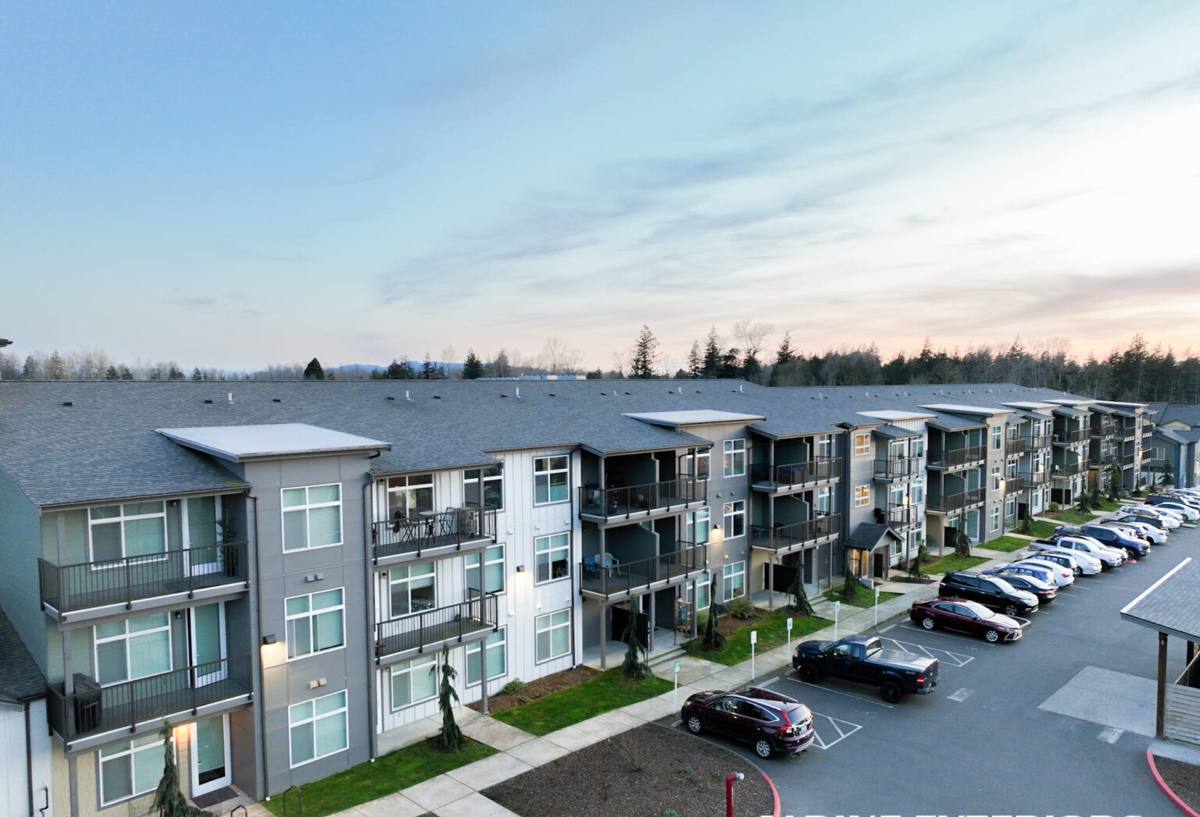
Sehome's housing stock is a mix of older bungalow and craftsman-era homes near the university area alongside newer infill construction, remodels, and multi-unit buildings. Older homes often still have original wood windows or a first round of aluminum or early vinyl replacements from decades back. Newer builds may have decent windows installed without the flashing detail the site actually needs. Either way, a custom window job here isn't just "measure and swap" — it has to account for what the wall assembly behind the window is actually doing with water.
What Local Climate Does to Windows Over Time
Salt Air and Metal Fatigue
Salt-carrying moisture accelerates corrosion on window hardware — hinges, cranks, locks, and especially aluminum components that weren't specified for coastal exposure. It also breaks down some sealants and finishes faster than manufacturers' general warranty language assumes, which is part of why we talk through material choice with every Sehome customer rather than defaulting to whatever's cheapest.
Driving Rain and Wind-Loaded Water
Rain that comes in sideways off the bay doesn't just sit on a sill — it gets pushed up under trim and into any gap in the weather barrier. A window that would perform fine in a drier, calmer climate can still leak here if the flashing and sealant details weren't done with wind-driven rain in mind.
Moss, Shade, and Trapped Moisture
Sehome's tree cover and long gray season keep north and west-facing walls damp for extended stretches. Moss and algae hold moisture against trim and siding longer than direct sun would allow, which is hard on wood components and can slowly rot sills and jambs that aren't properly sealed or capped.
Signs a Sehome Home Needs Window Attention
- Visible fogging or moisture between panes on double or triple-glazed units — a sign the seal has failed
- Soft, spongy, or discolored wood at the sill, jamb, or exterior trim
- Windows that are noticeably harder to open, close, or lock than they used to be
- Persistent drafts or a cold zone near the window even with it fully closed
- Musty smell in a room, especially after a stretch of heavy rain
- Visible daylight or gaps around the frame from outside
- Peeling paint or bubbling finish concentrated around window openings
Any one of these on its own might be minor. Several together, especially on a wall that gets little direct sun, usually means water has been getting past the window assembly for a while.
What a Correct Custom Window Installation Actually Involves
"Custom" doesn't just mean a non-standard size. It means the window and the installation are built around the specific opening, wall assembly, and exposure of that particular home — which matters more in a climate like this than in drier parts of the country.
Assessing the Opening
Before ordering anything, we check the condition of the framing, sheathing, and any existing flashing. If there's hidden rot or a moisture barrier that's already compromised, that has to be addressed as part of the job, not covered up behind a new window.
Flashing and Water Management
This is the step that separates a window that lasts from one that leaks in three years. Proper sill pan flashing, correctly lapped house wrap or weather barrier at the head and jambs, and sealant placed so water is directed out rather than trapped in — all of this happens before the window is even set.
Setting and Shimming
The window has to sit level, plumb, and square in the opening, shimmed correctly so it isn't relying on fasteners alone to hold its shape. A racked frame is one of the most common causes of premature seal failure and hardware wear.
Sealing and Finish
Interior and exterior sealant, trim, and finish work are done last, using materials rated for the exposure. On sun-starved, shaded walls we pay particular attention to finish products that resist moss and mildew growth rather than just looking good on install day.
Comparing Window Materials for a Sehome Property
| Material | Coastal/Moisture Performance | Maintenance | Typical Fit |
|---|---|---|---|
| Vinyl | Good moisture and salt-air resistance; won't rot or corrode | Low — occasional cleaning | Budget-conscious replacements, rentals, additions |
| Fiberglass | Excellent; dimensionally stable, handles moisture cycling well | Low | Higher-end replacements, larger custom openings |
| Wood (clad exterior) | Good if the clad exterior is intact; interior wood offers warmth for older craftsman homes | Moderate — exterior clad protects wood, but seals need periodic checking | Historic-style homes near the university core wanting to keep original character |
| Aluminum | Weaker in salt air unless specifically coastal-rated; prone to corrosion and condensation | Higher — hardware and finish need more attention | Generally not our first recommendation for this site's exposure |
We don't push one material on every job. A lot of it comes down to the home's style, the specific wall it's going into, and how much upkeep the owner actually wants to do. What we do insist on is that whatever goes in is installed with flashing and sealing appropriate for driving rain and salt air — the best window on the market still fails if it's set into an opening that wasn't prepped correctly.
Our Process for a Sehome Window Job
- On-site assessment — we look at the existing windows, the wall assembly behind them, and any signs of past water intrusion before recommending anything.
- Honest scoping — if we find rot, failed flashing, or other issues beyond the window itself, we tell you before work starts, not after the wall is opened up.
- Custom measurement and ordering — each opening is measured individually rather than assuming uniform sizing, especially in older homes where openings have shifted slightly over decades.
- Removal and prep — old units come out carefully to protect siding and trim, and we inspect the opening again once it's exposed.
- Flashing and weather barrier work — done to shed wind-driven rain, not just gravity-fed rain.
- Setting the window — leveled, plumbed, squared, and shimmed properly.
- Sealing and finish — exterior and interior sealant and trim matched to the home and the exposure.
- Final walkthrough — we check operation, locks, and seals with you before calling the job done.
What Affects Cost
| Factor | Why It Matters |
|---|---|
| Number and size of openings | More or larger windows mean more material and labor |
| Material choice | Vinyl, fiberglass, and clad-wood carry different price points and long-term maintenance costs |
| Condition behind the existing window | Hidden rot or failed flashing adds repair scope before the new window goes in |
| Custom vs. standard sizing | Non-standard openings, common in older Sehome homes, take more precise measurement and sometimes custom-order lead times |
| Trim and finish work | Matching existing exterior trim or upgrading finish adds time and materials |
| Access and site conditions | Upper-story windows or tight lots near neighboring structures can affect labor time |
We don't quote a job over the phone without seeing it. Every custom window project is different enough, and the cost of getting flashing and prep wrong is high enough, that an honest number requires an actual look at the opening.
Vetting a Window Contractor in This Area
- Ask how they handle flashing and weather barrier detail specifically — a contractor who can't explain this clearly hasn't thought about it
- Confirm they carry proper licensing and insurance for work in Washington
- Ask what happens if hidden rot or moisture damage is found once the old window comes out
- Ask about warranty coverage on both the window product and the installation labor separately
- Get a clear answer on lead times for custom-sized units, which can run longer than stock sizes
Whatcom County's climate punishes shortcuts. A window installed without proper flashing might look fine for a year or two before problems show up behind the wall, by which point the fix is bigger and more expensive than it would have been the first time.
Why Local Experience in Sehome Matters
A crew that regularly works in Sehome and the wider Bellingham area already understands the mix of older and newer homes here, how the bay's salt air and wind-driven rain behave against different exposures, and how long the moss season really runs on shaded walls. That's not something you can fully substitute with general contracting experience from a drier or less coastal region. It shows up in small decisions — which flashing detail to use, how much sealant is enough without trapping moisture, which finish holds up against moss and mildew — that add up to whether a window job lasts fifteen years or needs redoing in five.
After Installation: Keeping Custom Windows Performing
Even a well-installed window benefits from basic upkeep in this climate. Clearing debris and moss from sills and tracks, checking exterior sealant annually for cracking, and keeping gutters and downspouts clear so water isn't sheeting down over window openings all extend the life of the work. We're happy to walk through simple maintenance steps specific to whatever material and style you choose.
If your Sehome home has windows showing any of the wear signs above, or you're planning a remodel and want windows installed correctly for this climate the first time, we're glad to take a look. Fill out the form below for a free, no-pressure estimate.