 Bellingham Siding
 Building Decks for Sehome's Older Homes and Sloped Lots
Sehome is one of Bellingham's older, more established neighborhoods, and that shows up in the deck work we get called out for. A lot of homes here were built decades before anyone thought hard about ledger flashing or composite decking, and many sit on lots with real grade change toward the Sehome Hill area or down toward downtown. That combination — aging structures, sloped yards, and Bellingham's wet, salt-tinged air rolling in off the bay — means a deck built for Sehome has to solve problems that a flat, new-construction lot in a subdivision simply doesn't have.
Whether you're replacing a tired deck that's outlived its fasteners or adding a new one off the back of a Sehome bungalow or craftsman, the build has to account for how this specific neighborhood sits in the weather. That's the focus of this page: what a deck actually needs to hold up here, and what a correct build looks like from the ground up.
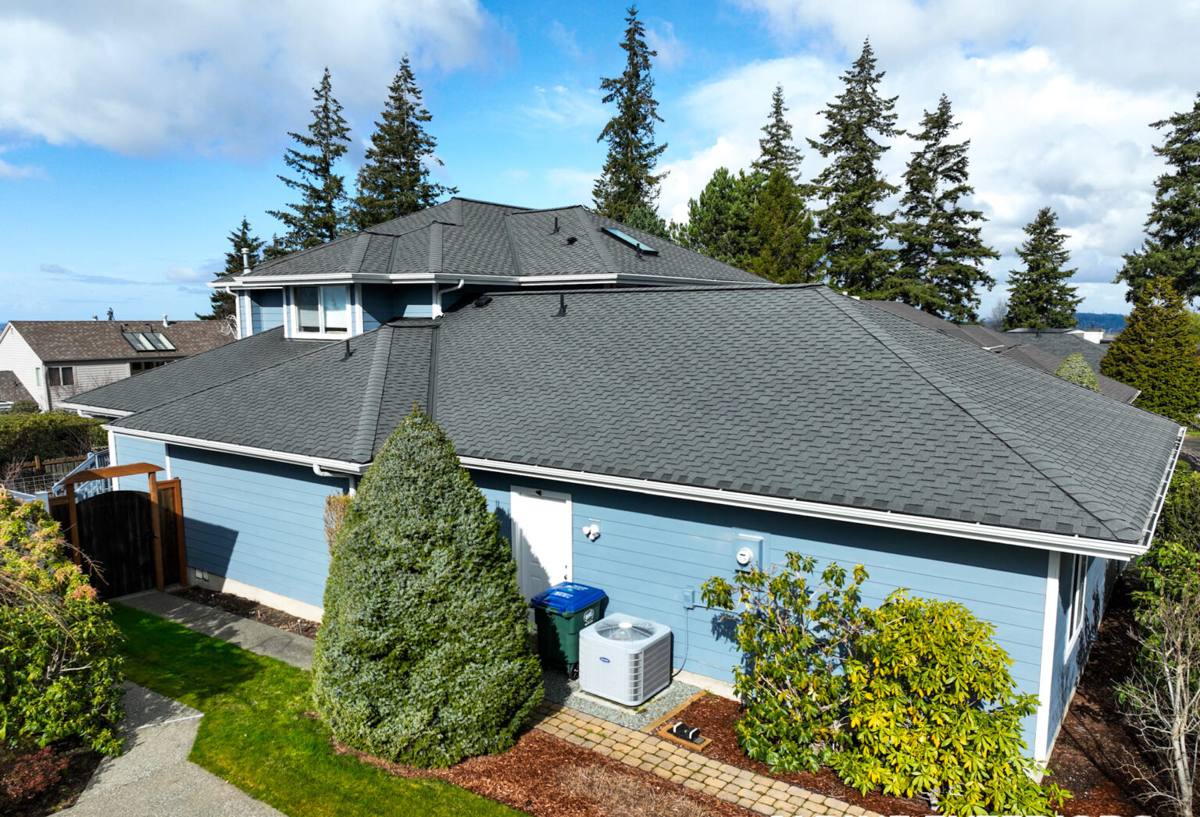
What Whatcom County Weather Does to a Deck
Bellingham doesn't get the heaviest rain totals in the state, but it gets a lot of days of it, spread across most of the year, and Sehome's proximity to the bay adds a salt-air component that inland Whatcom County neighborhoods don't deal with as much. Three things drive almost every deck failure we see in this area:
- Driving rain and wind-blown moisture — pushes water sideways into joints, fastener heads, and end grain that a purely vertical rain never would.
- Salt-laden air — accelerates corrosion on the wrong fasteners and hardware, especially on decks with any bay exposure or elevation.
- A long moss and algae season — Bellingham's mild, damp stretches from fall through spring give moss and algae months to establish on boards, ledgers, and stair treads, which holds moisture against the wood and turns surfaces slick.
None of these are exotic problems, but they compound. A deck that's fine in a drier climate can rot at the ledger, corrode at the joist hangers, or grow a moss mat on the north-facing stairs within a few seasons here if it wasn't built with this climate in mind.
Why the Ledger Connection Matters Most
The ledger board — where the deck attaches to the house — is the single most common failure point we find on older Sehome decks. Without proper flashing that sheds water away from the house wall and the end grain of the ledger, water gets trapped between the deck and the siding and rots both from the inside out, often long before it's visible from outside. Any deck rebuild or new attached deck in this neighborhood should treat ledger flashing as non-negotiable, not an upgrade.
What a Correct Deck Build Involves
A deck that's going to last in this climate isn't just about picking a nice-looking board. The structure underneath does most of the work of keeping water moving and away from wood and metal that can't handle standing moisture.
Framing and Ledger Flashing
Pressure-treated framing rated for ground contact where it's called for, joist hangers and structural screws matched to the treated lumber's chemical makeup (mismatched metal corrodes fast in damp, salt-touched air), and a ledger flashing detail that actually sheds water instead of trapping it against the house.
Footings for Sloped Ground
Sehome's grade changes mean footing depth and post height often vary across a single deck. We size footings to actual soil and frost conditions rather than a one-size approach, and on steeper sections we look at whether a taller post-and-beam layout or a stepped-footing design handles the slope better than trying to force a flat frame onto uneven ground.
Decking Material Choice
Composite, PVC, and quality wood all have a place, but each behaves differently under Bellingham's rain-and-moss cycle. We'll walk through the honest trade-offs for your specific deck rather than pushing one product for every job.
Fasteners and Hardware
Stainless or heavily coated fasteners rated for treated lumber and coastal-adjacent exposure. This is a place where cutting corners doesn't show up for a year or two, then shows up as rust streaks and loosening boards all at once.
Drainage and Airflow Underneath
Decks built low to the ground or over patios need a plan for water to get out from underneath, not pool there. Poor underside drainage is a quiet contributor to moss and rot that homeowners often don't think about until boards start feeling soft.
Comparing Decking Materials for a Sehome Home
There's no single "best" decking material — it depends on how much upkeep you want to do, your budget, and how much sun versus shade your particular yard gets (shaded decks under mature trees, common in Sehome, hold moisture and moss longer than open, sunny ones).
| Material | Moss/Moisture Behavior | Maintenance | Typical Lifespan Here |
|---|---|---|---|
| Pressure-treated wood | Absorbs moisture; needs sealing to resist moss and rot | Annual cleaning, periodic staining/sealing | 10-15 years with upkeep |
| Cedar | Naturally rot-resistant but still moss-prone in shade without care | Regular cleaning and oiling to hold color and resist moss | 15-20 years with upkeep |
| Composite | Doesn't rot; can still grow surface algae/moss film if never cleaned | Occasional washing, no sealing or staining | 25-30+ years |
| PVC/capped polymer | Fully moisture-resistant surface; least hospitable to moss buildup | Lowest — periodic rinsing | 25-30+ years |
For homes with a lot of tree cover or a north-facing deck that rarely dries out, composite or capped polymer generally means less fighting with moss year after year. For homeowners who want a real wood look and don't mind the seasonal upkeep, cedar is a solid, honest choice — it just needs consistent attention in this climate, not a one-time treatment.
Our Process for a Sehome Deck Project
Every deck starts with understanding the specific lot, not a generic template.
- On-site assessment — we look at grade, drainage, sun/shade exposure, and the condition of the existing structure (or the house wall, for a new attached deck).
- Design and material conversation — honest trade-offs on decking material, railing style, and layout based on your budget and how much maintenance you actually want to take on.
- Permitting — City of Bellingham and Whatcom County have specific requirements for deck height, guardrails, and footings; we handle that paperwork so it's not on you.
- Structural build — footings, framing, ledger flashing, and hardware sized and specified for this climate, not a generic spec sheet.
- Decking, railing, and finish work — installed to manufacturer spec so warranties actually hold.
- Final walkthrough — we go over care and cleaning specific to the material you chose, especially moss prevention for shaded areas.
A Quick Pre-Build Checklist We Always Cover
- Is the ledger connection flashed to shed water away from the house wall?
- Are footings sized for the actual slope and soil, not a flat-lot assumption?
- Do fasteners and hardware match the treated lumber's chemistry to avoid accelerated corrosion?
- Is there a real drainage path under and away from the deck?
- Does the decking material match how much shade and moss exposure the site actually gets?
- Are guardrails and stair rise/run within current code for the permit on file?
Maintenance That Actually Matters Here
Whatever material you choose, a few habits go a long way in this climate. Clear leaves and debris off the deck surface and between boards before the wet season sets in — trapped organic matter is what feeds moss and algae growth. Rinse or lightly scrub shaded sections a couple of times a year rather than waiting until moss is established, since it's much easier to prevent than remove. And keep an eye on the ledger and stair connections annually; catching a small flashing gap early is a lot cheaper than catching it after the framing behind it has started to soften.
Repair, Replace, or Rebuild?
Not every tired-looking deck needs to be torn out. If the framing and footings are sound and the problems are limited to surface boards, railings, or a stair section, targeted repair can extend the deck's life for a fraction of a full rebuild. But if the ledger connection has been leaking for years, or the framing shows soft spots, rust-streaked hardware, or footings that were never adequate for the slope, patching the surface just hides a structural problem that will resurface. Part of our assessment is telling you honestly which category your deck falls into before you spend money on it.
Why a Crew That Already Works Sehome Matters
Sehome's mix of older housing stock, hillside lots, and bay-influenced weather isn't unique to one street — it's a pattern across the neighborhood, and a crew that's worked those conditions repeatedly spots the specific risks faster: which ledger connections tend to have been flashed poorly in a given building era, which yards need extra footing work for the slope, which shaded corners are going to be a moss headache regardless of material. That's not something you get from a general handyman doing a deck for the first time, and it's not something a crew from outside Whatcom County picks up on a single job.
We also know the permitting process with the City of Bellingham and Whatcom County for this kind of work, which keeps the project moving instead of stalling on paperwork.
Get a Straight Answer on Your Deck
If you're dealing with a deck that's showing its age, planning a new one for a Sehome property, or just want an honest read on whether repair or replacement makes more sense, we're happy to take a look. Reach out for a free, no-pressure estimate using the form below — we'll give you a straight assessment based on what we actually see, not a generic sales pitch.