 Bellingham Siding
 South Hill's Climate Is Harder on Windows Than Most Homeowners Realize
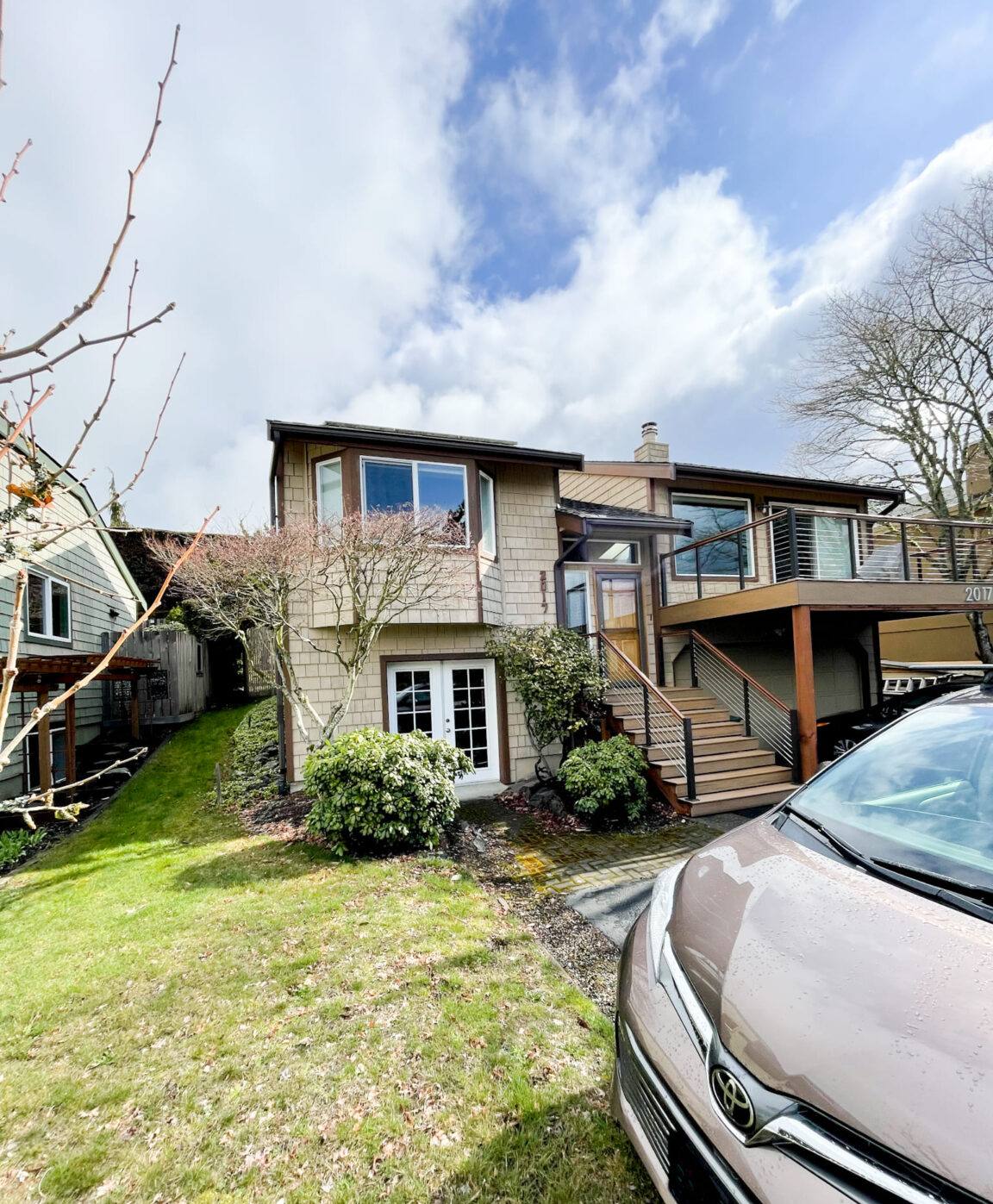
South Hill sits up above much of Bellingham, and that elevation cuts both ways. The views are part of why people love living there, but the same exposure means homes on the hill take more wind-driven rain than properties tucked down in more sheltered parts of the city. Add Whatcom County's proximity to the water and you get a steady dose of salt-tinged air working on window frames, hardware, and exterior trim year-round.
Then there's the moss. Bellingham's long wet season isn't limited to roofs and gutters — moss and algae will happily colonize window sills, frame corners, and any spot where wood trim stays damp for weeks at a time. On older wood or aluminum windows, that constant moisture cycle — wet, humid, wet again — is what eventually rots sills, corrodes hardware, and lets seals fail years before they would in a drier climate.
None of this means South Hill homes need anything exotic. It means the products and installation details that don't matter much in a dry climate matter a great deal here.
Signs a South Hill Home Is Overdue for Window Replacement
Most homeowners don't notice window failure until it's obvious — a pane fogging up, a window that won't stay open, a draft you can feel from across the room. By the time those show up, the underlying moisture or seal problem has usually been developing for a while.
- Visible condensation or fog between panes (a sign the seal on a double-pane unit has failed)
- Soft or spongy wood at the sill or bottom corners of the frame
- Drafts you can feel near the frame, especially during storms with wind off the water
- Windows that are hard to open, close, or lock — often a sign the frame has swelled or shifted
- Visible moss, black staining, or persistent green growth on the exterior sill or trim
- Paint that keeps peeling or bubbling on the interior or exterior frame no matter how often it's redone
- A noticeable rise in heating costs without any other obvious cause
Any one of these on its own might just need a repair. Several at once, especially on a home with its original windows, usually means replacement is the more honest recommendation.
What a Correct Window Replacement Actually Involves
It's Not Just Swapping the Glass
A window replacement done right addresses the whole opening, not just the sash. That means removing the old unit down to the rough opening, checking the framing underneath for rot or moisture damage, and correcting anything found before a new window goes in. Skipping that step is how a brand-new window ends up failing in the same spot a few years later.
Flashing and Moisture Management
This is the step that matters most in our climate and the one that's easiest to shortcut. Proper flashing — installed in the right order, lapped correctly with the house wrap or building paper — is what keeps wind-driven rain from working its way behind the new window and into the wall cavity. On a home exposed to South Hill's wind and rain patterns, this detail is not optional.
Insulation and Air Sealing
The gap between the window frame and the rough opening needs to be filled with an appropriate low-expansion foam or backer rod and sealant — not stuffed with fiberglass, which does little to stop air movement. This is where a lot of a home's draft and heat-loss problems actually originate.
| Replacement Type | Best Used When | Trade-offs |
|---|---|---|
| Full-frame replacement | Existing frame shows rot, damage, or the opening needs correction | More labor and cost, but resolves hidden problems and resets flashing properly |
| Insert (pocket) replacement | Existing frame is sound, dry, and square | Faster and less invasive, but reduces glass area slightly and only as good as the frame it's installed into |
Choosing Windows for a Salt-Air, High-Moisture Climate
Frame material matters more here than in a dry inland climate. We generally steer South Hill homeowners toward vinyl or fiberglass frames over bare wood or unclad aluminum, not because wood or aluminum are bad products, but because they demand more upkeep to hold up against constant damp air and salt exposure — and that maintenance burden is the honest trade-off worth knowing about upfront.
| Frame Material | Moisture Resistance | Maintenance | Typical Fit |
|---|---|---|---|
| Vinyl | Very good — won't rot or corrode | Low | Most South Hill homes, budget-to-mid range |
| Fiberglass | Excellent — very stable in wet/dry cycling | Low | Homes wanting a stiffer frame or larger units |
| Wood (clad exterior) | Good if maintained; vulnerable at damaged cladding | Higher — needs periodic inspection | Homes prioritizing interior wood appearance |
| Aluminum (uncoated) | Poor near salt air — prone to corrosion | Higher | Not generally recommended for this area |
Glass matters too. Double-pane, low-E glass is the baseline we install for a reason — it cuts heat loss and reduces condensation risk. Triple-pane is worth discussing for north-facing rooms or homes especially exposed to wind, though it's a real cost increase that doesn't pay off for every room.
Our Process, Start to Finish
- On-site assessment — we look at your existing windows, frames, and any signs of moisture damage before recommending anything.
- Honest scope and estimate — full-frame vs. insert, product options, and a clear cost range in writing.
- Scheduling around the weather — we plan installation days with Whatcom County's rain patterns in mind so openings aren't exposed longer than necessary.
- Removal and inspection — old units come out, and we check the rough opening for rot or damage before proceeding.
- Correct flashing and air sealing — every opening gets properly lapped flashing and appropriate sealing, not shortcuts.
- Installation and interior/exterior finish work — trim, caulking, and touch-up so the job looks finished, not patched.
- Final walkthrough — we test operation and locks on every window before we consider the job done.
Why Local Experience on South Hill Specifically Matters
Bellingham building requirements and typical construction ages vary by neighborhood, and South Hill has its own mix of older homes with original wood or aluminum windows alongside newer builds. A crew that regularly works this specific area already knows what tends to be hiding behind older frames up here, how the wind and rain hit differently at elevation, and what flashing details actually hold up through a full Whatcom County winter — not just what looks fine on installation day.
That local pattern recognition is worth more than it sounds. It's the difference between a contractor guessing at what a South Hill home needs and one who's already seen the same rot patterns, the same moss buildup, and the same drafty original windows on the same street.
What Affects the Cost of a Window Replacement Project
| Factor | Why It Matters |
|---|---|
| Number and size of windows | Straightforward — more openings and larger glass mean more material and labor |
| Full-frame vs. insert replacement | Full-frame costs more but is often necessary once rot or damage is found |
| Frame material | Vinyl is typically the most affordable; fiberglass and clad wood cost more upfront |
| Glass package | Double-pane low-E is standard; triple-pane adds cost for extra performance |
| Hidden damage | Rot found at the rough opening adds repair time that can't be estimated until walls are opened up |
| Access and height | Second-story or hard-to-reach windows on sloped South Hill lots can add labor time |
We won't quote a number without seeing the windows in person — anyone who does is either guessing or padding the estimate to cover surprises. What we can tell you upfront is which of these factors is likely to move your number the most.
Keeping New Windows Performing Through Bellingham Winters
- Rinse frames and sills periodically to keep salt residue and grime from building up
- Check and clear weep holes (small drainage openings at the base of the frame) so water doesn't pool
- Re-caulk exterior trim joints if you notice gaps developing over time
- Keep gutters and downspouts clear so runoff isn't sheeting directly across window openings
- Address any moss or algae on nearby trim promptly rather than letting it spread onto the window itself
Get a Straight Answer About Your South Hill Windows
If you're dealing with drafts, fogged glass, or windows that just don't operate the way they used to, it's worth having someone take an honest look before you decide what to do. We'll tell you plainly whether you're looking at a repair or a replacement, and what that actually involves for a home in this neighborhood. Fill out the form below for a free, no-pressure estimate.