 Bellingham Siding
 Storm Damage Roof Repair for York Homes
York is one of Bellingham's older, established neighborhoods, and that means a roof mix you don't see in newer subdivisions — original roofs on homes from decades back sitting next to newer replacements, mature trees overhanging steep and shallow pitches alike, and a lot of variation in how well each roof was flashed and vented the first time around. When a fall or winter storm rolls through Whatcom County, that variation shows. Two houses on the same block can come through the same windstorm with very different amounts of damage, depending on age, pitch, tree cover, and how the roof was maintained.
This page covers storm damage roof repair specifically for York — what our climate does to roofs here, what an honest repair actually involves, and what to look for whether you're dealing with obvious damage or just want a roof checked out after a rough night of wind and rain.
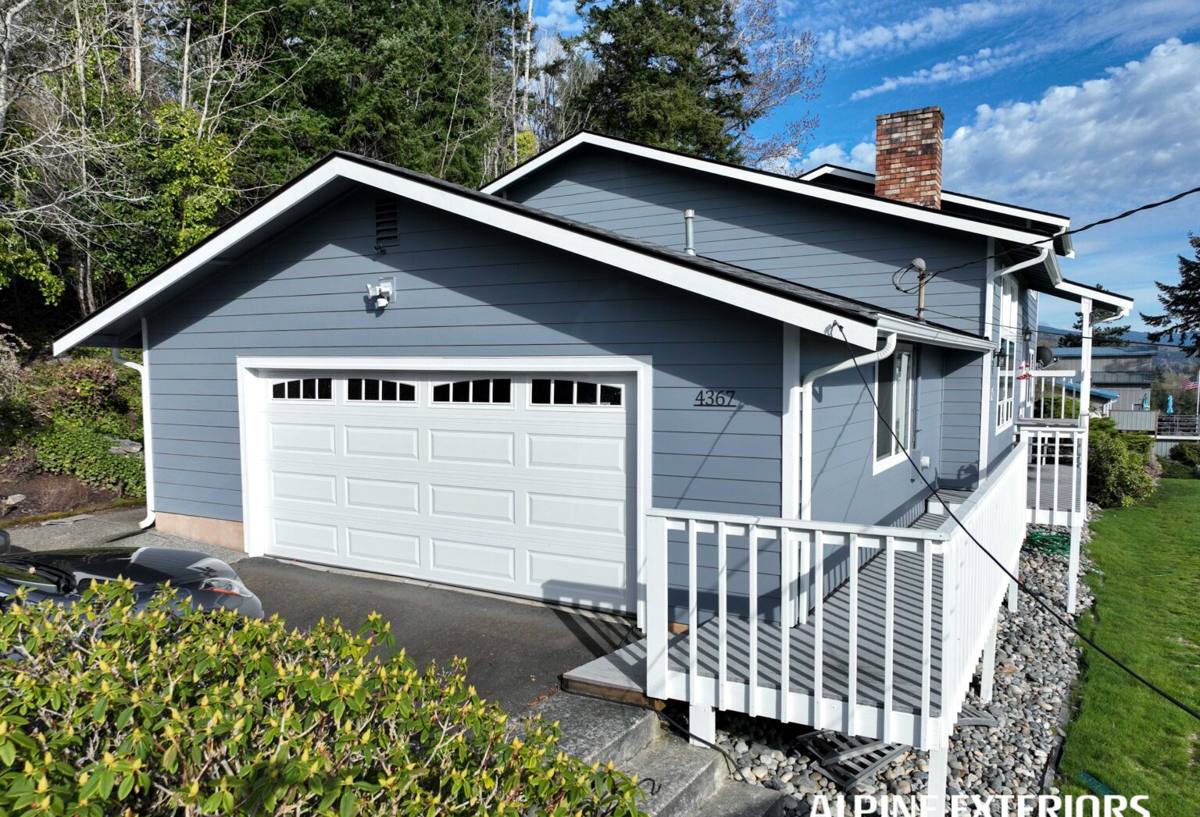
What Bellingham Storms Actually Do to a Roof
Roof damage from storms in this part of Washington rarely looks like the dramatic wind-strips-the-roof-off scenario people picture. Most of what we find is quieter and easier to miss.
Wind
Gusty systems off the Strait of Georgia and Puget Sound lift shingle tabs, crack ridge caps, and work fasteners loose without necessarily blowing anything off. A shingle that's been lifted and re-seated by wind may look fine from the ground but no longer seals the way it should.
Driving rain
Bellingham's rain often comes in sideways rather than straight down. That matters because it pushes water into laps, valleys, and flashing details that were only ever designed to handle vertical water flow. Marginal flashing work that's been fine for years can start leaking the first time a storm drives rain at the wrong angle.
Salt air
Being close to Bellingham Bay means metal roof components — flashing, fasteners, gutter hardware — are exposed to salt-laden air. Salt air accelerates corrosion on lower-grade or unprotected metal, which is a slow process most homeowners never notice until a storm finds the weak spot a corroded fastener or flashing seam has created.
Moss
Whatcom County's long damp season, combined with the tree canopy common in York, keeps roofs wet and shaded for much of the year — ideal conditions for moss. Moss holds moisture against the roofing material, lifts shingle edges as it grows, and works its way under flashing. A roof with an established moss problem is more vulnerable to storm damage because the moss has already compromised the seal.
Signs of Storm Damage Worth Checking
Most storm damage isn't visible from the driveway. Here's what we tell York homeowners to actually look for, from the ground and from inside the attic if it's accessible:
- Shingle tabs or edges that look lifted, curled, or out of alignment with the rest of the field
- Granules collecting in gutters or at downspout outlets after a storm
- Bent, creased, or missing ridge cap or hip cap pieces
- Gaps or separation at flashing around chimneys, skylights, or roof-to-wall transitions
- New or worsening moss growth concentrated in one area, which can signal a spot where water is sitting longer than it should
- Water stains, sagging, or a musty smell in the attic or on ceilings below the roof
- Debris, branches, or heavy moss mats that landed during the storm and were never cleared
- Gutters pulling away from the fascia or sagging under storm debris weight
None of these alone means you need a full re-roof. But any one of them is worth a proper look before the next storm finds the same spot again.
What a Correct Storm Damage Repair Involves
A storm damage repair that's done right isn't just patching the spot that's obviously wrong. It starts with figuring out why that spot failed, because in a climate like ours, the same weak point tends to fail again if the underlying cause isn't addressed.
That means checking the surrounding shingles and flashing, not just the damaged section — wind and driving rain rarely damage just one shingle in isolation. It means matching underlayment and flashing details to what's actually needed for the exposure, not just what's fastest to install. And it means being honest about whether a section of roof is repairable or whether the damage, combined with the roof's age and condition, means a repair would just be a short-term patch on a roof that's due.
We also check ventilation and moisture conditions in the attic where storm damage has occurred, since trapped moisture from a leak can cause problems well beyond the roof deck if it's not addressed at the same time as the visible repair.
Our Storm Damage Repair Process
- Inspection. We walk the roof (or use appropriate access methods for steeper pitches) and check the attic where accessible, documenting the actual extent of the damage — not just the spot you called about.
- Honest assessment. We tell you plainly whether what you're looking at is a repair, a larger repair, or a sign the roof is at the end of its service life. We'd rather lose a bigger job than talk you into work you don't need.
- Written scope and estimate. You get a clear description of what will be done, with materials specified, before any work starts.
- Repair. Damaged shingles, flashing, and underlayment are replaced to match the surrounding roof as closely as possible, with attention to how the repair will hold up against the next storm, not just how it looks today.
- Cleanup and final check. Debris is cleared, gutters are checked for storm debris and proper flow, and we walk the repair with you before calling the job done.
Repair or Replace? Cost Factors to Weigh
Not every storm-damaged roof needs the same answer. The table below covers the factors that typically decide whether a repair is the right call or whether it's time to talk about replacement.
| Factor | Leans Toward Repair | Leans Toward Replacement |
|---|---|---|
| Roof age | Roof is well within its expected service life | Roof is at or past the age where the material is naturally wearing out |
| Extent of damage | Isolated to one section or detail | Multiple areas affected, or damage found in more spots once inspected |
| Underlying condition | Deck and underlayment are sound | Deck shows rot, or underlayment is failing broadly, not just at the damaged spot |
| Moss/moisture history | Minimal moss, good drainage | Long-standing moss coverage or repeated moisture issues |
| Insurance involvement | Damage is contained and clearly storm-related | Adjuster's assessment or extent of damage supports full replacement |
Broadly speaking, straightforward storm repairs on an otherwise sound roof tend to run in the low hundreds to a few thousand dollars depending on scope, while anything approaching full replacement is a much larger investment. We'll always give you real numbers for your specific roof rather than a generic range — every roof and every storm event is different.
Working With Insurance on Storm Damage
Many storm damage repairs in Whatcom County are at least partly covered by homeowner's insurance, particularly when wind or falling debris caused the damage. If you're planning to file a claim, a few things help:
- Get the roof documented before any cleanup happens, if it's safe to wait
- Keep a written repair estimate and scope on hand for the adjuster
- Ask your contractor whether the damage pattern is consistent with the storm date you're claiming — this matters for claim approval
- Don't sign anything committing to a full replacement before you know what your policy and adjuster actually support
We're happy to provide documentation and a written scope that you can hand to your insurance company, but we work for you, not the insurer — our job is an honest assessment of the roof, not maximizing or minimizing a claim.
Why Hire a Crew That Already Works in York
Storm damage repair isn't a job you want to hand to whoever's cheapest or fastest to answer the phone after a bad storm — that's exactly when out-of-area crews show up canvassing neighborhoods, and it's exactly when it's hardest to vet who you're letting on your roof. A local crew that already works in Bellingham neighborhoods like York has a few real advantages: familiarity with the roof types and ages common in this part of town, an understanding of how the specific combination of wind direction, tree cover, and salt exposure plays out here, and accountability — we're not driving off after a storm season and not answering the phone next year.
We also know that in an older neighborhood, a repair has to match what's already there reasonably well, not just be functional. That's a detail that's easy for a crew unfamiliar with the area to overlook.
Protecting Your Roof Between Storms
The best storm repair is the damage that never happens because the roof was in good shape going in. A few things make a real difference in our climate:
- Keep gutters and downspouts clear so storm water has somewhere to go besides under your shingles
- Address moss growth before it becomes established, rather than after it's lifted shingle edges
- Trim back tree limbs that overhang the roof, both to reduce debris and to cut down on the shade that keeps moss thriving
- Have flashing and roof penetrations checked periodically, since these are the most common failure points in wind-driven rain
- Get a roof looked at after any notably severe storm, even if nothing looks obviously wrong from the ground
If a recent storm has you wondering about your roof, or you just want a second opinion before the next one hits, we're glad to come take a look. Fill out the form below for a free, no-pressure estimate — we'll tell you honestly what we find.