 Bellingham Siding
 Why Barkley Roofs Take a Different Kind of Beating
Barkley sits inland from Bellingham Bay, but it still gets the full Whatcom County weather package: long stretches of driving rain off the water, salt-laced air that finds its way into every fastener and flashing seam, and a moss season that can run eight months out of the year on shaded, tree-lined lots. Barkley's mature landscaping and mixed tree cover are part of what make the neighborhood attractive, but that same shade keeps roof surfaces damp for days after a storm passes, which is exactly the condition moss and algae need to take hold.
A roof in this neighborhood isn't just shedding water — it's fighting constant moisture cycling, wind-driven rain that gets pushed sideways under poorly lapped materials, and slow corrosion from salt in the air. Asphalt shingles can handle some of that, but they wear unevenly here, and moss roots work into the granule layer faster on north-facing slopes and shaded valleys than most homeowners expect. Metal roofing, installed correctly for this climate, sidesteps most of that wear pattern entirely.
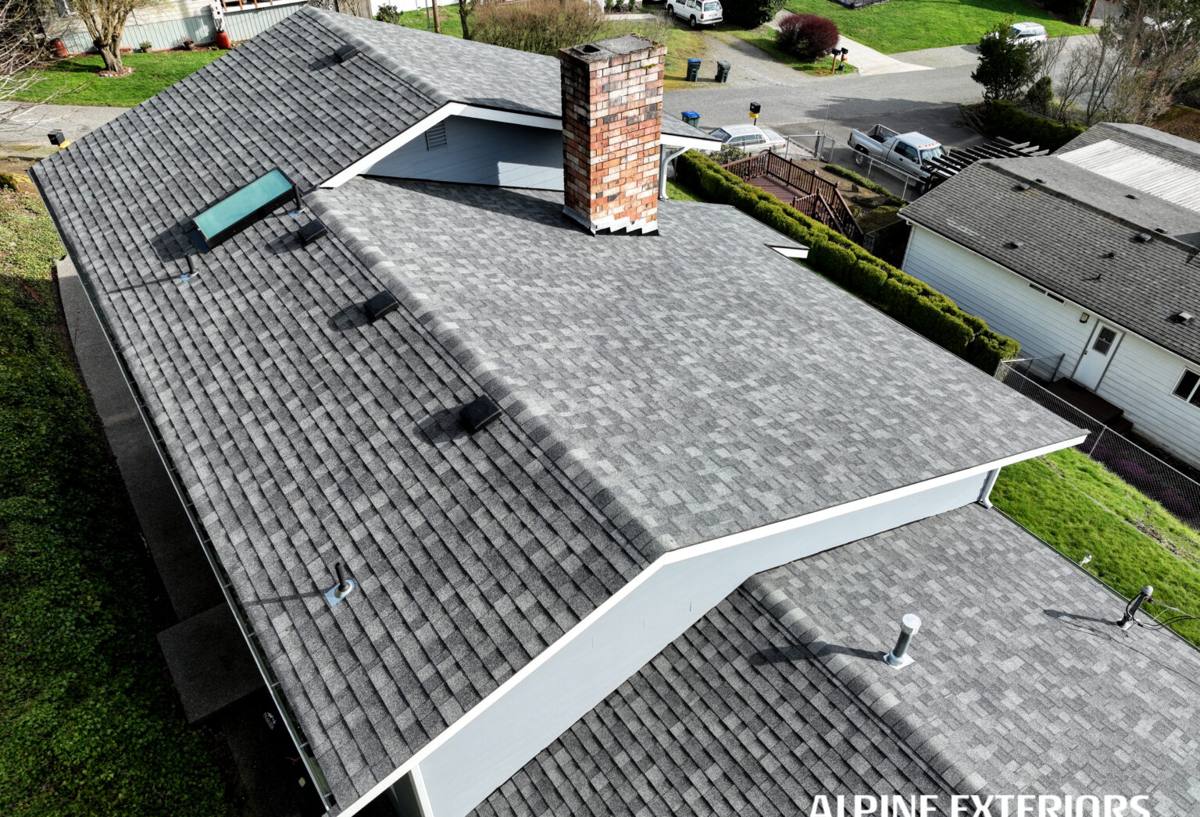
What a Barkley Roof Actually Needs From Metal
Not every metal roof performs the same way in this climate, and the difference usually comes down to details most homeowners never see until something fails. For Barkley specifically, we design and install around four requirements:
- Corrosion resistance rated for coastal-influenced air, not just a generic "coated steel" spec
- Fastener and flashing details that stay sealed through freeze-thaw swings and constant rain-load flexing
- A finish and profile that actually discourage moss and algae growth on shaded slopes, rather than just hiding it
- Enough attic and roof-deck ventilation to keep condensation from forming underneath the metal itself
Skip any one of these and you end up with a roof that looks fine from the street for a few years but is quietly corroding at the fastener heads or trapping moisture at the deck — problems that are expensive to fix once they show up as leaks.
Metal Roofing Systems We Install
There isn't one "correct" metal roof for Barkley — the right system depends on your roof pitch, how much of the roof sits under tree cover, and your budget. Here's how the common options actually compare for a Whatcom County home:
| System | Best For | Moss/Algae Behavior | Typical Lifespan |
|---|---|---|---|
| Standing seam steel or aluminum | Most Barkley homes, especially shaded or low-slope sections | Smooth vertical panels shed water fast, giving moss less time to establish | 40-60 years |
| Stone-coated steel shingle/tile profile | Homes wanting a traditional shingle or tile look | Textured surface holds a bit more moisture at seams; needs periodic rinsing | 30-50 years |
| Exposed-fastener corrugated panel | Outbuildings, shops, budget-driven projects | Fasteners are the weak point — seals wear before the panel does | 20-35 years |
For primary Barkley residences, we most often recommend standing seam. The concealed fastener system means there's nothing punched through the panel face for water to work into over time, which matters more here than in a drier climate.
Coatings and Color
Beyond the base metal, the coating is what actually fights salt air and UV. We spec finishes built for coastal exposure rather than a generic residential coating, and we steer clients away from bare or lightly coated galvanized panels on this side of the county — the maintenance burden of watching for early rust spots isn't worth what you save up front.
What Correct Installation Actually Involves
Tear-Off vs. Overlay
Metal can sometimes go over an existing roof, but in Barkley we almost always recommend a full tear-off. Overlaying traps whatever moisture is already in the old roof deck, and on a home that's been dealing with years of rain and shade, that's a real risk. Tear-off also lets us actually inspect the deck for rot before it's covered up for the next several decades.
Underlayment and Ice/Water Barrier
We install a full synthetic underlayment across the whole roof, with self-adhering ice-and-water barrier at every valley, eave, and any low-slope transition — the spots where wind-driven rain is most likely to get pushed backward under the metal. This is not optional in this climate; it's the difference between a roof that handles a sideways storm and one that leaks at the first hard blow off the bay.
Flashing and Fasteners
Flashing at chimneys, skylights, and wall transitions gets custom-formed to the actual roof, not generic stock pieces caulked into place. Fasteners on standing seam systems sit under the seam, out of direct weather exposure, and we torque and space them to the manufacturer's spec — over-driven or under-driven screws are one of the most common causes of early failure we see on other contractors' work.
Ventilation
Metal roofs need airflow underneath them to prevent condensation from forming on the cool side of the panel. We check and, where needed, upgrade ridge and soffit ventilation as part of the job — not as an upsell, but because a metal roof installed over a poorly ventilated attic can develop moisture problems that have nothing to do with the roofing material itself.
Our Process, Start to Finish
- On-site assessment — we walk the full roof, check the deck condition where accessible, and look at how much tree cover and shade each slope gets, since that changes both material choice and detailing.
- Written estimate — a clear breakdown of material, labor, tear-off, and any deck repair, so there are no surprises once work starts.
- Tear-off and deck inspection — old roofing comes off, the deck gets inspected and repaired as needed before anything new goes down.
- Underlayment and flashing — ice-and-water barrier at vulnerable points, full underlayment, custom flashing fabricated for your roof's actual penetrations.
- Panel installation — panels run, seamed, and fastened to manufacturer spec, with attention to how water will move across the roof during the next atmospheric river event, not just a dry-day install.
- Final walkthrough — we check seams, flashing, ventilation, and cleanup with you before calling the job done.
Cost Factors for a Barkley Metal Roof
Metal roofing costs more upfront than asphalt, and the final number depends on more than square footage. The main variables we see affect Barkley projects:
| Factor | Why It Matters Here |
|---|---|
| Roof complexity (valleys, dormers, skylights) | More flashing detail, more labor, more places rain can be pushed backward under panels |
| Tear-off vs. overlay | Tear-off adds cost but is usually the right call given moisture already trapped under older roofing here |
| Deck condition | Years of moss and moisture retention can mean hidden deck repair once the old roofing is off |
| Panel system chosen | Standing seam costs more than exposed-fastener panel but needs far less long-term attention |
| Access and pitch | Steeper, harder-to-access roofs (common on some Barkley lots) add labor time |
We give a firm written number after the on-site assessment, not a phone estimate — a roof this exposed to the elements isn't something we're comfortable pricing sight-unseen.
Living With a Metal Roof Through Moss Season
One of the real advantages of a properly installed metal roof in this climate is how little maintenance it needs compared to asphalt — but "little" isn't "none." A short seasonal routine keeps it performing the way it's designed to:
- Clear gutters and downspouts before the fall rains start, especially under shaded sections where debris builds up fastest
- Rinse off accumulated moss, needles, or leaf debris from valleys once or twice a year rather than letting organic matter sit and hold moisture against the panel
- Check flashing and sealant at penetrations annually — even good sealant has a service life
- Trim back overhanging branches where practical, since less direct debris drop means less moisture retention on the roof surface
- Have any storm damage or dented panels looked at promptly rather than waiting for the next inspection cycle
Why Hiring a Crew That Already Works Barkley Matters
Barkley's mix of newer construction, established landscaping, and neighborhood design standards means a roofing job here isn't quite the same as one in an older Bellingham neighborhood or out in the county. A crew that already knows the area knows which slopes tend to hold shade longest, where drainage typically causes trouble, and what kind of documentation or coordination the neighborhood's design expectations may call for. That local familiarity shortens the assessment phase and reduces the chance of surprises mid-project.
It also matters for something more basic: accountability. A contractor who works Barkley regularly has a reputation in the neighborhood to maintain, answers the phone if something needs a follow-up look after a storm, and isn't guessing at how Whatcom County's weather actually behaves against a real roof over real years — they've seen it.
Is Metal Roofing Right for Every Barkley Home?
Honestly, not always. Homes with very complex rooflines and tight budgets sometimes get more practical value from a well-installed architectural asphalt shingle with proper moss treatment built in. We'll tell you that directly during the assessment if it applies to your home — our job is to recommend the roof that fits your house and budget, not to sell metal as a one-size-fits-all answer. What we won't do is install a system without the underlayment, flashing, and ventilation detailing this climate requires, regardless of which material you choose.
If you're weighing options for a Barkley roof, we're happy to walk it with you and give you a straight answer. Reach out for a free, no-pressure estimate using the form below — we'll look at your specific roof and tell you what it actually needs.