 Bellingham Siding
 New Roofs in Sehome Face a Different Set of Conditions
Sehome sits close in to downtown Bellingham and Western Washington University, on hilly, tree-shaded streets with a mix of older homes and infill construction. That combination — mature tree canopy, proximity to Bellingham Bay, and Whatcom County's wet, mild climate — puts a specific kind of wear on a roof. It's not the hail damage or extreme heat cycling you'd worry about elsewhere in the country. It's slow, steady moisture pressure: months of low-intensity rain, salt-laden air moving in off the bay, shaded roof planes that never fully dry out, and needle and leaf debris that feeds moss growth almost year-round.
A roof built for a drier climate, or installed without attention to ventilation and moss resistance, will look fine for a year or two in Sehome and then start failing quietly — moss lifting shingle edges, trapped moisture rotting decking from underneath, and gutters overwhelmed by debris. A correctly installed roof accounts for all of this from day one, not as an afterthought.
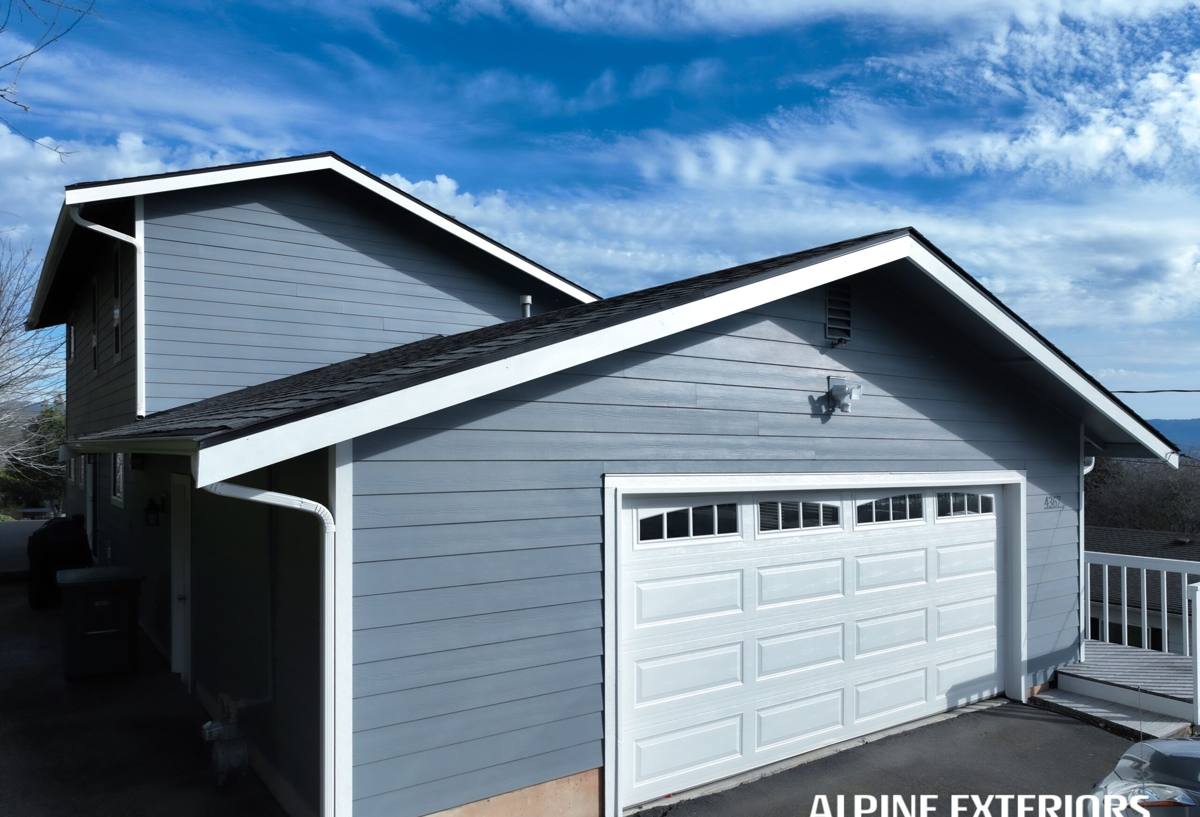
What "Correct" Actually Means for a New Roof Installation
A new roof is more than laying shingles or panels over the old ones. The parts homeowners don't see are usually what determine whether a roof lasts 15 years or 30. For a Sehome home, that means:
Full Tear-Off and Deck Inspection
We don't recommend roofing over an existing layer, especially in this climate. Tear-off lets us inspect the decking for soft spots, rot, or old moisture damage that's common under shaded, moss-prone roof sections. Any compromised sheathing gets replaced before anything new goes down — covering it up only hides a problem that will resurface.
Ice and Water Shield Where It Matters
Bellingham doesn't see heavy snow loads most winters, but driving rain, wind-blown moisture, and the occasional freeze mean vulnerable areas — eaves, valleys, around chimneys and skylights — need self-adhering waterproof membrane, not just felt paper. This is one of the most common corners cut on lower-bid roofing jobs, and it's the first place a roof starts leaking.
Flashing Done Right
Most roof leaks trace back to flashing, not the field of the roof itself. Chimneys, dormers, skylights, sidewalls, and any place a roof plane changes direction need properly formed and lapped flashing — not just a bead of sealant. Sealant fails; correctly installed metal flashing doesn't.
Ventilation Sized for the Structure
Balanced intake and exhaust ventilation keeps the attic close to outdoor temperature, which slows moss growth on the roof surface and prevents condensation that rots decking from the inside. We calculate ventilation based on attic square footage, not guesswork.
Choosing a Roofing Material for a Sehome Home
There's no single "best" roofing material — the right choice depends on the home's style, budget, roof pitch, and how much moss and moisture exposure the specific lot gets. Here's how the common options compare for this area:
| Material | Typical Lifespan | Moss/Moisture Behavior | Relative Cost |
|---|---|---|---|
| Architectural asphalt shingle | 25–30 years | Good with proper ventilation; algae-resistant granules recommended for shaded lots | $ |
| Standing seam metal | 40–50+ years | Sheds moss and debris well due to smooth, steep-shed surface; minimal maintenance | $$$ |
| Synthetic/composite shake | 30–40 years | Resists moisture absorption better than wood; holds up well in shaded, damp areas | $$ |
| Cedar shake (natural wood) | 20–30 years with upkeep | Attractive but needs regular treatment and cleaning to resist moss and rot in this climate | $$ |
For most Sehome homes, algae-resistant architectural shingles are the practical choice — proven performance, reasonable cost, and manufacturer warranties that account for damp-climate use. On heavily shaded lots with a lot of tree cover, we'll often walk homeowners through metal or composite shake as a lower-maintenance option, since less time spent fighting moss means less long-term cost even at a higher install price.
Moss and Moisture Are the Real Enemy Here
Whatcom County's moss season effectively runs most of the year on shaded roofs. Moss isn't just cosmetic — its root structure holds moisture against the roofing material and can work under shingle edges, and heavy moss mats can trap debris that clogs valleys and gutters. A new roof installation is the right time to address this proactively:
- Zinc or copper strips installed near the ridge, which release trace metal ions that inhibit moss growth as rain washes over the roof
- Wider, properly flashed valleys that shed debris instead of collecting it
- Gutter and downspout sizing that matches the actual roof area and local rainfall, not a generic minimum
- Trimming recommendations for overhanging branches, where practical, to cut down on shade and debris load
None of this eliminates the need for periodic roof cleaning, but it significantly extends the time between cleanings and reduces the moisture damage that untreated moss causes over years.
Our New Roof Installation Process
- On-site inspection and estimate. We look at the existing roof, attic ventilation, decking condition where visible, and any problem areas before quoting anything.
- Material selection. We walk through options based on your home's style, budget, and exposure — no pressure toward the most expensive product.
- Permitting. We handle the City of Bellingham permit and inspection requirements for the reroof.
- Tear-off and deck assessment. Old roofing comes off, decking is inspected and repaired or replaced as needed.
- Underlayment and flashing. Waterproof membrane at vulnerable areas, then properly formed flashing at every penetration and transition.
- Installation. Roofing material installed to manufacturer specification, including proper nailing pattern and exposure — details that directly affect wind and warranty performance.
- Ventilation and moss-prevention details. Ridge and soffit venting confirmed, zinc/copper strip installed if selected.
- Cleanup and final walkthrough. Site cleared of debris and nails, and we walk the finished roof with you before calling the job done.
Signs a Sehome Roof May Need Replacement, Not Repair
Not every issue means a full new roof — but these signs usually point to a roof at or past the point where repairs stop being cost-effective:
- Shingles curling, cupping, or losing granules in large patches, especially on shaded slopes
- Persistent moss growth that returns quickly after cleaning
- Daylight visible through the roof deck from inside the attic
- Soft or spongy spots when walking the roof, or sagging along the ridge or eaves
- Water stains on ceilings or in the attic that appear after heavy rain
- A roof approaching or past 20–25 years old, regardless of visible condition
- Multiple past repairs to the same area of the roof
If you're seeing more than one of these, it's worth getting an honest inspection before another wet season adds to the damage.
Timeline and What to Expect
A typical single-family reroof in this area takes one to three days on-site once material is on hand, weather permitting — Bellingham's rain pattern is the main scheduling variable, and we build weather buffers into the timeline rather than rushing installation in poor conditions. Permitting and material lead times usually add one to a few weeks before work starts, depending on the material chosen and current permit office turnaround.
| Cost Factor | Why It Matters |
|---|---|
| Roof size and pitch | Larger and steeper roofs take more material and labor time |
| Number of layers to remove | Tear-off of multiple old layers adds disposal and labor cost |
| Decking condition | Rotted or soft sheathing found during tear-off requires replacement |
| Roof complexity | Valleys, dormers, skylights, and chimneys each add flashing labor |
| Material choice | Asphalt, metal, and composite carry different material and labor costs |
| Access | Tight lots, steep driveways, and limited staging area can affect labor time |
Why It Matters to Hire a Crew That Already Works in Sehome
A roofing crew that regularly works Sehome and the surrounding Bellingham neighborhoods already knows which details matter here: how much ventilation a given attic size needs given the region's humidity, where moss tends to build up fastest on shaded lots, how the City of Bellingham permitting process runs, and how to sequence work around the area's rain patterns instead of getting caught mid-tear-off in a downpour. That local familiarity shows up in fewer surprises during the job and a roof that's actually built for the conditions it has to survive, not a generic install pulled from a manual written for a drier climate.
We're a Bellingham-based crew that works throughout Whatcom County, and we stand behind our installations with clear workmanship terms and manufacturer-backed material warranties — no vague promises, just a roof installed correctly the first time.
If your Sehome home needs a new roof, or you're not sure whether repair or replacement makes more sense, we're happy to take a look. Fill out the form below for a free, no-pressure estimate.