 Bellingham Siding
 Window Installation in Fairhaven: What Salt Air and Rain Actually Do to a Window
Fairhaven sits close enough to the water that homes here take a different kind of weathering than houses further inland in Whatcom County. Salt-laden air corrodes exposed fasteners and hardware faster than it does even a few miles away. Driving rain off Bellingham Bay pushes water sideways into wall assemblies during winter storms, testing every seal and flashing detail a window has. And the long, damp moss season we get from fall through spring keeps trim, sills, and siding wet for extended stretches, which is exactly the condition that lets rot take hold in old or poorly sealed window openings.
None of this means Fairhaven homes need exotic products. It means the installation details that get skipped elsewhere — flashing, sealant selection, drainage paths — cannot be skipped here. A window that's merely "caulked in" might look fine for a year or two and still fail quietly behind the wall.
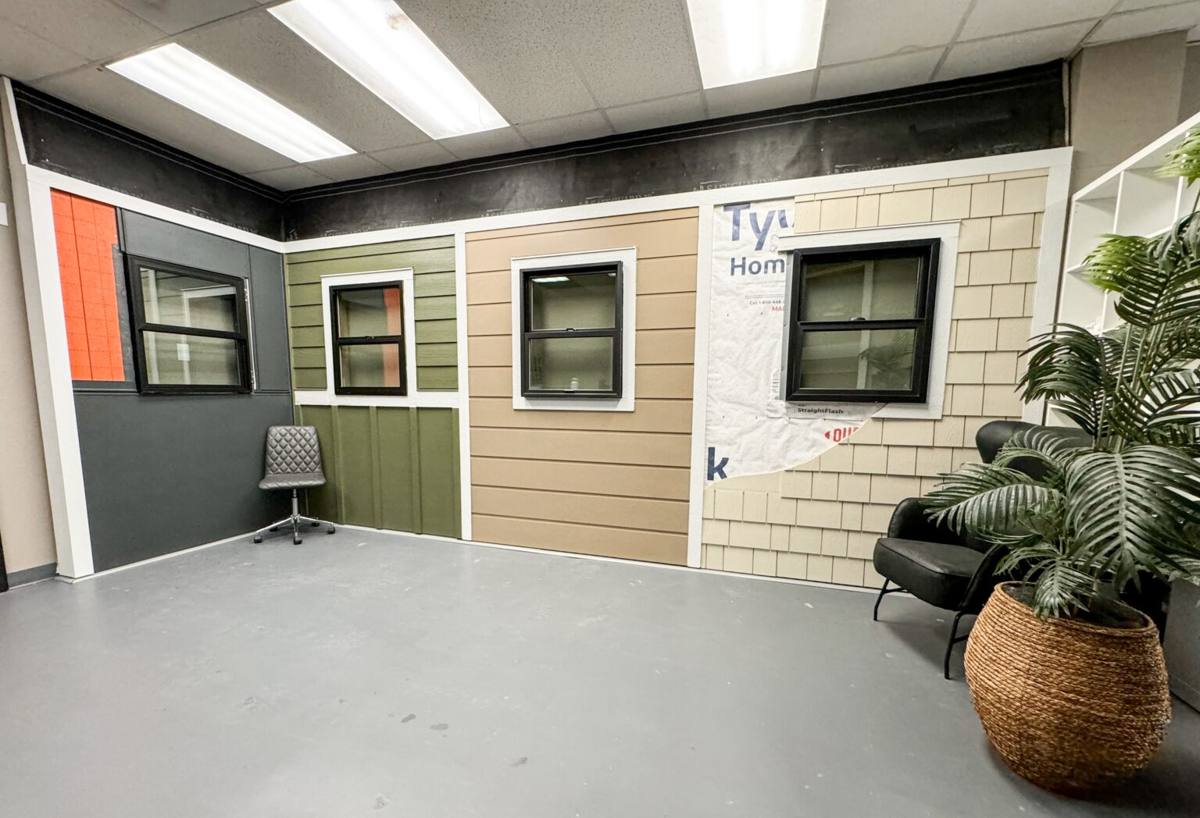
What a Correct Window Installation Involves
Replacing a window is not just pulling the old sash and dropping in a new unit. The parts of the job that actually determine whether a window performs for 20+ years happen before the new window ever goes in the opening.
Removing the Old Window Without Making Things Worse
Old window openings on houses in this area often have hidden problems — soft framing, old fiberglass insulation that's gone damp, or flashing tape (if there's any at all) that's brittle and no longer sealing anything. Part of doing this job right is opening things up carefully enough to actually see what's there, not just cutting the old unit out and rushing the new one in.
Flashing and Water Management
This is the step that matters most in our climate. A window opening needs a sill pan or sloped sill flashing so any water that gets past the window sheds back outside instead of pooling. Side and head flashing need to integrate with the home's weather-resistive barrier in the correct shingle-lap order — head flashing over the barrier, side flashing lapped correctly, sill pan under everything. Skipping or reversing this order is one of the most common causes of hidden rot in older Pacific Northwest homes.
Air Sealing and Insulation
The gap between the window frame and the rough opening needs to be filled with a material that stays flexible through temperature and moisture swings — typically a low-expansion foam or backer rod and sealant, not stuffed fiberglass alone. This controls drafts and condensation risk at the frame edge, which is where most homeowners actually notice a problem (cold spots, fogging, or a faint musty smell in damp months).
Exterior Sealant and Trim
The visible bead of sealant around the outside of a window is the last line of defense, not the first. It needs to be a product rated for exterior use and continuous movement, tooled properly, and backed by the flashing work underneath — because sealant alone, without correct flashing, will eventually crack or pull away and let water in with no backup plan behind it.
Signs a Fairhaven Home's Windows Need Attention
- Visible daylight or a noticeable draft around the frame when it's windy off the bay
- Soft or discolored trim and sill wood, especially on the sides that catch the most driving rain
- Moss or dark streaking building up on sills and trim faster than on the rest of the siding
- Condensation forming between panes (a sign the seal on the glass unit itself has failed)
- Windows that are difficult to open, close, or lock — often a sign the frame has shifted or swollen
- A musty smell near a window during Bellingham's wetter months, which can indicate moisture trapped in the wall
Our Process, Start to Finish
1. On-Site Assessment
We look at each window opening individually — not every window on a house is in the same condition, and a house near the water can have one exposure (usually facing the prevailing weather) that's far more weathered than the rest.
2. Honest Scope and Options
We tell you plainly whether a window needs full replacement, whether the surrounding trim or sheathing needs repair first, and what your realistic product options are for the opening, budget, and exposure.
3. Prep and Protection
Interior and exterior areas around the work are protected before removal starts. On occupied homes, we sequence the work so openings aren't left exposed to weather overnight when it can be avoided.
4. Removal and Inspection
Old units come out carefully so we can actually inspect the rough opening, sill, and surrounding framing — this is where hidden rot or past water damage gets found and addressed before it's covered back up.
5. Flashing, Install, and Air Sealing
Sill pan, side and head flashing, the new window, and air sealing go in as one integrated system, in the correct order, so the assembly actually manages water the way it's designed to.
6. Trim, Sealant, and Final Check
Exterior trim is reinstalled or replaced, sealant is tooled properly, and the finished opening is checked for square operation, smooth locking, and a clean seal all the way around.
Why a Crew That Already Works Fairhaven Matters
Window installation done wrong is a slow failure — you often don't see the consequences for a year or more, by which time water has already gotten into framing that's expensive to repair. A crew that regularly works this part of Bellingham has already seen how these particular houses age near the water: which exposures take the worst of the weather, what older flashing details tend to fail, and how much moss and moisture buildup is normal here versus a sign something's gone wrong. That local pattern recognition is worth more than any brochure claim, and it's why we approach every Fairhaven job assuming the coastal exposure, not treating it as an afterthought.
Comparing Common Window Frame Materials for This Climate
| Material | How It Handles Salt Air & Moisture | Maintenance | General Cost Position |
|---|---|---|---|
| Vinyl | Does not corrode or rot; performs well in coastal air when installed with correct flashing | Low — occasional cleaning | Lower to mid |
| Fiberglass | Very stable dimensionally, resists moisture and salt exposure well | Low | Mid to higher |
| Wood (clad or unclad) | Attractive but needs a sound exterior seal or cladding to keep moisture out of the wood core; more sensitive to our wet season if maintenance lapses | Higher — periodic painting/sealing on unclad wood | Higher |
| Aluminum | Corrosion-resistant coatings help, but aluminum conducts cold and can promote condensation without a thermal break | Low to moderate | Mid |
We don't push one material as the only right answer — the right choice depends on the home's style, budget, and how exposed that particular wall is to weather off the bay. What we do insist on, regardless of material, is correct flashing and sealing every time, because that's what actually determines whether a window lasts here.
Cost Factors Worth Understanding
Two houses with the "same" window can end up with very different bills, and it's usually not the window itself driving the difference.
| Factor | Why It Moves the Price |
|---|---|
| Condition of the existing opening | Rot or old water damage found during removal adds repair scope before the new window can go in |
| Frame material and glass package | Vinyl, fiberglass, and wood carry different material costs; upgraded glass (tempered, low-E coatings) adds cost |
| Exposure and access | Windows on upper stories or the weather-facing side of the house can take longer to flash and finish correctly |
| New construction vs. retrofit sizing | Matching an existing opening is usually more affordable than resizing for a different window style |
| Number of windows in one visit | Doing several openings in one mobilization is generally more cost-effective per window than one-offs |
We'll walk through these factors specific to your home during the estimate, so the number you get reflects your actual opening conditions rather than a generic per-window rate.
What to Ask Before Hiring Anyone for This Work
- Will you inspect and repair the rough opening if you find rot or damage, or just install over it?
- What's your flashing sequence, and does it include a sill pan?
- What sealant products do you use on the exterior, and are they rated for this climate?
- Is the crew doing the work the same crew that sold the job, or subcontracted out?
- What's the warranty structure — on the window itself versus on your installation labor?
- Can you explain, in plain terms, how water that gets past the window is supposed to drain back out?
Ready for a Straight Answer on Your Fairhaven Windows
If you're dealing with drafts, soft trim, fogged glass, or you just want a second opinion on windows that are getting old, we're happy to take a look. We'll tell you honestly what condition your openings are in and what your real options are — no pressure, no upsell. Fill out the form below for a free estimate, and we'll get back to you to schedule a time to come out and take a look.