 Bellingham Siding
 Siding That Has to Work in Happy Valley's Climate, Not Just Look Good
Happy Valley sits close enough to the water and the hills around Bellingham that its homes take a steady beating from three things at once: salt-laden air moving in off the Sound, driving rain that comes in sideways during fall and winter storms, and a moss season that can run eight months or longer on shaded, north-facing walls. Siding here isn't just a cosmetic choice. It's the layer standing between a wood-framed house and a climate that never really lets up.
A lot of siding failures we see in this neighborhood aren't dramatic. They're slow: a fastener that started rusting because it wasn't rated for coastal exposure, a butt joint that was never caulked correctly and has been wicking water into the sheathing for three winters, a north wall green with moss because the original siding had nowhere for moisture to escape. None of that shows up on day one. It shows up five or ten years later as soft trim, bubbling paint, or a contractor telling you the sheathing needs to be replaced too.
This page is specifically about fiber cement siding installed correctly for Happy Valley conditions — what the material needs to do here, what a proper install looks like, and how our process is built around this specific neighborhood rather than a generic install anywhere in Whatcom County.
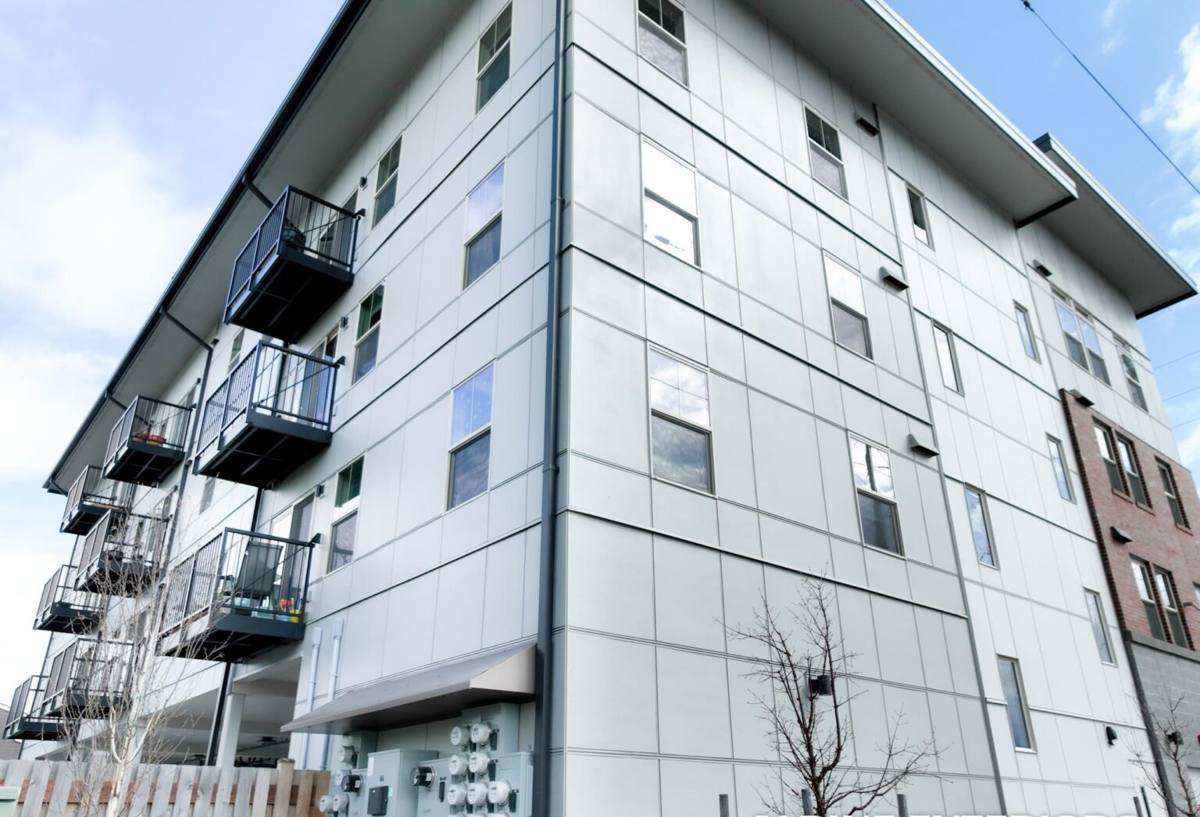
What Happy Valley's Climate Actually Demands From Siding
Salt Air and Metal Fatigue
Even homes that aren't right on the water get some salt exposure carried inland on marine air, and it's corrosive to anything metal that isn't rated for it — fasteners, flashing, trim screws. Standard electro-galvanized nails will start showing rust streaks on light-colored siding within a few years in this kind of environment. It's a small detail that has an outsized effect on how the whole job ages.
Driving Rain and Wind-Driven Moisture
Rain that falls straight down is easy for siding to shed. Rain that's being pushed sideways by wind off the water is a different problem — it finds horizontal laps, unsealed joints, and gaps around windows and works its way in over time. Homes in Happy Valley with exposure toward open weather need a weather-resistive barrier and flashing details that assume wind-driven rain, not just a siding product that looks watertight when it's dry.
Moss, Algae, and Prolonged Dampness
Shaded lots, mature trees, and the region's long damp season mean north- and east-facing walls in particular stay wet longer than the siding industry's national installation guidelines were written around. Moss and algae on siding aren't just cosmetic — a wall that stays wet longer than it should stays wet against the sheathing longer too, which is where rot actually starts.
Why We Only Install James Hardie Fiber Cement
We don't install LP SmartSide, vinyl, primed wood siding, or other fiber cement brands. That's a deliberate standard, not a sales position. Fiber cement as a category — and James Hardie's engineering of it specifically — is the material we're willing to warranty our workmanship against in a climate like this one.
Non-Combustible and Dimensionally Stable
Fiber cement doesn't expand and contract with moisture the way wood-based products do, which matters directly in a climate that cycles between soaked and dry. It also won't ignite, rot, or feed insects — three failure modes that engineered wood and cedar products have to be actively defended against with coatings and maintenance.
HZ5 Engineering for This Region
James Hardie manufactures its siding in climate-specific formulations. The HZ5 line is engineered for regions with more moisture cycling and freeze-thaw exposure, which fits Whatcom County's weather pattern better than a one-size-fits-all product. We install the HZ5 product line specifically because it was designed around conditions like the ones Happy Valley sees, not a generic national spec.
ColorPlus Factory Finish
Field-painted siding is only as good as the paint job and the schedule it gets recoated on. ColorPlus is baked on at the factory under controlled conditions, and it comes with its own finish warranty separate from the substrate warranty. In a climate where moss, algae, and salt spray all attack a paint film, a factory finish holds color and resists fading longer than most site-applied paint jobs will.
What a Correct Installation Actually Involves
The material only performs as well as the install. Fiber cement has real installation tolerances — clearances, fastener patterns, joint treatment — and skipping them is exactly how a good product ends up with a bad reputation.
| Detail | Done Correctly | Common Shortcut We Won't Take |
|---|---|---|
| Weather-resistive barrier | Continuous, properly lapped house wrap with flashed penetrations before siding goes on | Reusing old or torn wrap, or taping over gaps instead of correcting them |
| Ground and roof clearance | Minimum clearance maintained per manufacturer spec so splash-back and snow contact don't wick moisture into the bottom course | Siding run tight to grade or a roofline to save a cut |
| Fasteners | Corrosion-resistant, correctly sized and set to the specified depth — not overdriven, not proud | Standard electro-galvanized nails or an air nailer set to a single depth for the whole job |
| Butt joints and seams | Sealed per manufacturer detail, backed where required, planned to shed water downward | Caulk alone over an unbacked joint |
| Trim and flashing at openings | Head flashing and kick-out flashing integrated with the water-resistive barrier at every window, door, and roof intersection | Caulk-only seals around openings |
None of these show up in a photo of the finished wall. They show up in whether the wall is still dry behind the siding in ten years.
Our Process for a Happy Valley Project
1. On-Site Assessment
We look at the specific exposure of your home — which walls take the weather, where moss and algae are already established, where the existing siding or trim shows signs of moisture damage — before we talk about product or price. A wall facing open weather gets different flashing attention than a sheltered one.
2. Tear-Off and Substrate Check
Old siding comes off and we check the sheathing underneath. This is often where damage that wasn't visible from outside actually gets found — soft spots, prior water staining, or a wrap that's been failing quietly for years. We address what we find before anything new goes on.
3. Weather Barrier and Flashing
New house wrap, correctly lapped, with every window, door, and penetration flashed to shed water outward and downward. This step matters more in Happy Valley's driving-rain exposure than almost anywhere else on the job.
4. Siding Installation to Spec
HardiePlank, panel, or trim installed to James Hardie's fastening and clearance specifications, using corrosion-resistant fasteners appropriate for coastal-influenced air.
5. Final Walkthrough
We walk the finished job with you, wall by wall, before calling it done.
Cost Factors for a Happy Valley Siding Job
Every home is different, but the same handful of factors drive most of the cost variation we see on jobs in this neighborhood:
| Factor | Why It Matters |
|---|---|
| Existing siding removal | Tear-off of old wood, vinyl, or damaged fiber cement adds labor and disposal cost |
| Sheathing repair | Moisture damage found during tear-off (more common on shaded, damp-prone walls) has to be repaired before new siding goes on |
| Home height and access | Two-story walls, steep grades, and limited access around the property affect scaffolding and labor time |
| Trim and detail work | Homes with more window and door openings, dormers, or architectural trim need more flashing and cutting |
| Product line and profile | HardiePlank lap, shingle-style, and panel siding carry different material costs and install labor |
| ColorPlus vs. field paint | Factory-finished ColorPlus costs more upfront but removes a repaint cycle from your maintenance schedule |
We give a written estimate that breaks these out so you can see what's driving the number, not just a lump sum.
Living With Fiber Cement Siding in This Climate
Fiber cement is low-maintenance compared to wood or vinyl, but "low-maintenance" isn't "no-maintenance" in a climate that grows moss on everything shaded and damp. A short annual routine keeps siding performing the way it's supposed to:
- Rinse siding annually, especially north- and east-facing walls, to keep moss and algae from establishing
- Keep gutters clear so overflow isn't running down the wall face
- Trim back vegetation and tree cover that keeps a wall shaded and damp longer than it needs to be
- Re-caulk joints and trim seams if you notice cracking or separation, rather than waiting for staining to appear
- Walk the exterior once a year and check for soft trim, bubbling paint, or dark staining at the base of walls — early signs worth a closer look
ColorPlus finishes hold up longer against moss staining and fading than field-applied paint, but even factory finish benefits from an annual rinse in a climate this wet.
Why Local Experience in Happy Valley Matters
A crew that's worked this specific area knows which walls in the neighborhood take the worst of the driving rain, where moss establishes fastest, and how the local permitting process works with the City of Bellingham and Whatcom County. That's not something a crew traveling in from outside the region picks up on the first job. It shows up in small decisions — where extra flashing attention goes, which wall gets prioritized for a moisture check, how the schedule accounts for our wet season — that a generic install plan doesn't account for.
It also means straightforward answers when something on your home doesn't match a textbook case. Older homes in this area were built to different standards than current code, and a crew unfamiliar with local housing stock can miss details that a crew working here regularly catches automatically.
Get a Straight Answer on Your Home
If you're weighing a siding replacement in Happy Valley, we'll come out, walk the exterior with you, and give you an honest read on what your home actually needs — no pressure, no inflated scope. Reach out through the form below for a free estimate.