 Bellingham Siding
 Window Replacement Built for Happy Valley's Climate
Happy Valley sits close enough to Bellingham Bay that salt-laden air is a daily fact of life for the homes here, not an occasional nuisance. Add in the long stretch of driving rain that defines a Whatcom County winter and the moss season that follows it, and you've got a climate that is hard on window frames, hard on seals, and unforgiving of a sloppy installation. A window that would hold up fine in a dry inland climate can fail early here if the flashing, sealing, or drainage details weren't done right the first time.
This page is about one job, done right, in one neighborhood: window replacement for Happy Valley homes. Not a general overview of every siding or roofing service we offer, but the specifics of what this climate demands from a window install and what separates a correct job from one that looks fine on installation day and starts failing in two winters.
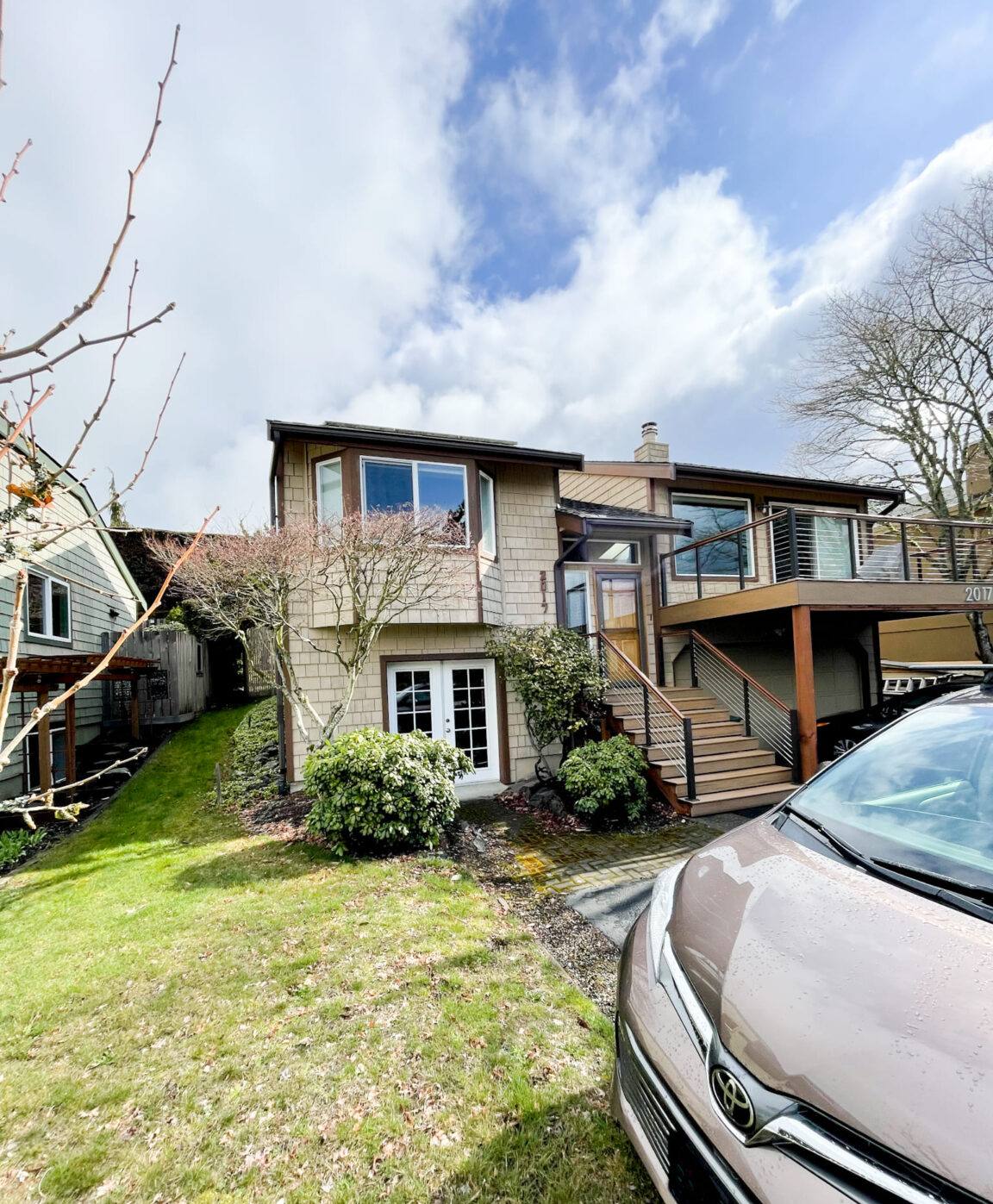
Signs Your Happy Valley Home Needs New Windows
Older wood and aluminum-frame windows in this part of Bellingham tend to show trouble in predictable ways. Before you decide whether replacement makes sense, it helps to know what to actually look for.
- Fogging or a permanent haze between the panes of a double-pane window, which means the seal has failed and the insulating gas has escaped
- Wood sashes that feel soft, spongy, or discolored at the bottom corners, a common early sign of moisture intrusion
- Visible moss or green staining building up on window sills or the trim just below them
- Drafts you can feel with your hand near the frame on a windy, rainy day
- Windows that are difficult to open, close, or lock, often from swollen or warped frames
- Rising heating bills without any other clear explanation
- Condensation forming on the inside of the glass regularly through fall and winter
One or two of these on their own might just mean a repair. Several at once, especially on windows original to the house, usually points to replacement being the more honest recommendation.
What a Correct Window Replacement Job Actually Involves
Window replacement looks simple from the outside: old window out, new window in. The part that actually determines whether the window lasts happens in the details most homeowners never see.
Removal and Opening Inspection
Once the old window is out, the rough opening gets inspected before anything new goes in. In a wet climate like Bellingham's, this is the step that catches problems early — soft sheathing, old water staining, or signs of past leaks around the header or sill. A window installed over a compromised opening will fail again no matter how good the window itself is.
Flashing and Water Management
This is the single most important part of the job for a home exposed to driving rain off the bay. Proper flashing at the sill, jambs, and head directs water out and away from the wall assembly rather than letting it pool or wick into the framing. Skipping or shortcutting flashing is the most common cause of hidden rot behind a window that otherwise looks brand new.
Insulation and Air Sealing
The gap between the new window frame and the rough opening needs to be sealed and insulated correctly — not overpacked with expanding foam, which can bow the frame, and not left with gaps that let cold, damp air track in. Done right, this step is a big part of why a replacement window actually lowers your heating bill.
Setting and Sealing the New Window
The window has to be set level, plumb, and square, then shimmed and fastened according to the manufacturer's instructions to keep the warranty valid. Exterior sealant goes on at the right joints — and only the right joints, since sealing the wrong spot can trap water instead of keeping it out.
Trim, Finish, and Cleanup
Interior and exterior trim gets restored or replaced to match, caulk lines are finished cleanly, and the work area is cleaned up so you're not left with old sashes, packaging, or debris.
Choosing Window Materials for a Salt Air, High-Rain Climate
Material choice matters more here than in a dry climate. Salt air accelerates corrosion on certain hardware and finishes, and constant moisture punishes anything that isn't dimensionally stable or well-sealed at the factory.
| Material | Moisture / Salt Air Behavior | Maintenance | Typical Lifespan |
|---|---|---|---|
| Vinyl | Won't rot or corrode; performs well in coastal moisture | Low — occasional cleaning | Long-lasting with proper installation |
| Fiberglass | Very stable, resists expansion and contraction from wet-dry cycles | Low | Long-lasting, holds up well to weather swings |
| Wood, unclad | Attractive but vulnerable to rot without diligent upkeep | High — regular painting or sealing needed | Shorter unless well maintained |
| Wood-clad (aluminum or vinyl exterior) | Good moisture resistance on the exterior face; interior still needs care | Moderate | Long, if the cladding and seals stay intact |
| Aluminum | Prone to corrosion in salt air unless properly finished; conducts cold | Moderate | Varies widely by finish quality |
There's no single "best" material for every home — a lot depends on your home's style, your budget, and how much upkeep you actually want to do. What we won't do is recommend a product just because it's cheaper to install if we know it's going to create a maintenance headache for you in this specific climate. We'll walk you through the honest trade-offs for your house rather than pushing one option.
What Drives the Cost of Window Replacement Here
Costs for window replacement in Happy Valley vary based on a handful of real factors, and it's worth understanding them before you start comparing quotes:
- Window size and type — a standard double-hung costs less than a large picture window or a custom shape
- Material — vinyl and fiberglass typically cost less up front than wood-clad options
- Number of openings being replaced at once, since doing several windows together is more efficient than one at a time
- Condition of the rough opening — if there's hidden rot or water damage to repair, that adds time and cost
- Trim and finish work needed to match your home's existing look
- Access — second-story or hard-to-reach windows take more time to install safely
We'll give you a clear, itemized estimate rather than a vague ballpark, so you know exactly what you're paying for and why.
Our Process, Start to Finish
- Free, no-pressure in-home assessment where we look at your existing windows, framing, and any signs of moisture damage
- Honest recommendation on materials and window types suited to your home and this climate, with real trade-offs explained
- A written estimate that breaks down materials, labor, and any anticipated repair work
- Scheduled installation with proper flashing, insulation, and sealing at every opening — not just the visible parts
- Final walkthrough so you can see and understand the finished work before we call the job done
We don't upsell you on work your home doesn't need, and we'll tell you plainly if a repair makes more sense than full replacement for a given window.
Why Local Experience in Happy Valley Matters
A contractor who works regularly in this part of Bellingham already knows what the marine climate does to window installations over time, because we've seen the results of both good and bad installs on homes throughout Whatcom County. That means we're not guessing at flashing details or hoping a sealant holds up — we know what actually performs against sustained rain and salt-laden air, and we build the job around that from the start.
It also means we understand the practical side of working in this neighborhood: typical home styles and ages, common framing issues in older houses, and how to schedule work sensibly around the wetter months so installs go smoothly rather than being rushed between storms.
Living With Your New Windows Through Whatcom County Seasons
A correctly installed window is largely low-maintenance, but a little seasonal attention goes a long way in this climate. Rinse sills and tracks periodically to keep moss and organic buildup from taking hold, especially on north-facing windows that stay shaded and damp longer. Check exterior caulk lines once a year, since even good sealant can wear down over time and is easy to touch up before it becomes a leak path. Keep weep holes on vinyl and fiberglass frames clear of debris so water can drain the way it's designed to.
None of this is complicated, but it's the kind of small upkeep that determines whether a window replacement is a twenty-year investment or a ten-year one. We're happy to walk you through what to watch for on your specific windows once the job is done.
If your windows are showing their age or you just want an honest opinion on whether repair or replacement makes more sense for your Happy Valley home, we'll come take a look and give you a straightforward, no-pressure estimate — just fill out the form below to get started.