 Bellingham Siding
 Why South Hill Decks Take Extra Punishment
South Hill sits above much of Bellingham, with mature tree cover, sloped lots, and enough elevation to catch the marine air rolling in off Bellingham Bay. That's part of what makes it a great place to have a deck — and part of what makes decks here wear out faster than homeowners expect. The same moist, salt-tinged air that keeps Whatcom County's temperatures mild also works its way into wood grain, fastener heads, and the joints where framing pieces meet. Add driving rain that comes in at an angle during fall and winter storms, plus a moss season that can run from October into April on shaded, north-facing lots, and you've got a climate that is genuinely harder on outdoor structures than most of the country deals with.
None of that means a deck can't last for decades. It means a deck that wasn't built, or rebuilt, with these specific conditions in mind will start failing underneath — in places nobody checks — long before the surface looks bad enough to worry about.
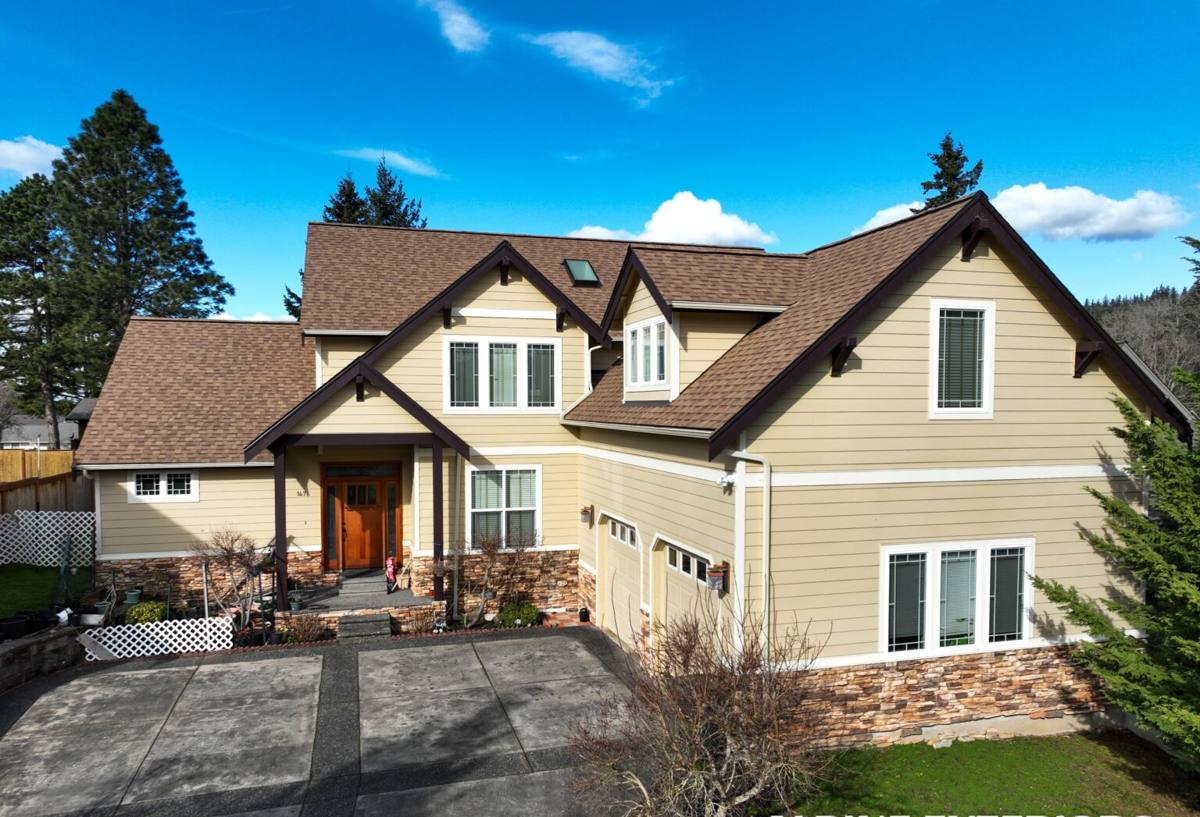
How Salt Air, Rain, and Moss Actually Break a Deck Down
Salt Air and Fasteners
Deck screws, joist hanger nails, and structural bolts are usually the first casualties. Standard coated fasteners corrode faster in coastal air than they would further inland, and once a fastener starts rusting, it loses grip strength long before it visibly fails. A deck can look solid while its connections are quietly weakening year over year.
Driving Rain and Water Intrusion
Wind-driven rain doesn't just fall on a deck — it gets pushed sideways into gaps, under flashing, and behind ledger boards where the deck attaches to the house. That's the single most common failure point we see: water working its way behind an improperly flashed ledger, soaking the rim joist and house sheathing from the inside where it can go unnoticed for years.
Moss, Shade, and Surfaces That Never Fully Dry
On shaded South Hill lots, decking boards can stay damp for days after a storm. That moisture holds moss and algae, which in turn holds even more moisture against the board surface. Over time this cycle softens wood fibers, degrades certain composite capping, and turns the deck surface into a slip hazard well before it's structurally unsound.
Signs a South Hill Deck Needs Replacement, Not Just Repair
Not every tired-looking deck needs to be torn out. But there's a real difference between cosmetic wear and structural decline, and it's worth knowing which one you're looking at before you spend money on the wrong fix.
- Soft, spongy, or bouncy spots in the decking or framing underfoot
- Visible rot, staining, or dark streaking where the deck meets the house (ledger area)
- Rust stains bleeding out around fastener heads or joist hangers
- Persistent moss or algae growth that returns within weeks of cleaning
- Gaps, cracking, or splitting boards, especially near the ends
- Railings or stairs that feel loose or shift under normal weight
- Visible daylight or gaps where the ledger board meets the house siding
- A deck older than 15–20 years that has never been fully inspected underneath
If you're seeing more than one or two of these, it's worth having someone look underneath the deck, not just at the surface, before deciding between repair and replacement.
What a Correct Deck Replacement Actually Involves
Starting at the Ledger Connection
The ledger board — where the deck attaches to your house — is the single most important detail on any deck replacement in this climate. It needs proper flashing that directs water away from the house rather than behind it, along with correctly spaced structural screws or bolts rated for the load. This is the detail that gets rushed or skipped on lower-quality jobs, and it's the detail most responsible for hidden water damage down the road.
Footings and Framing
Replacement is also the point where footing depth, post spacing, and joist sizing get corrected if the original deck was undersized or settled unevenly — common on South Hill's sloped terrain. We use joist hangers and structural connectors rated for exterior, coastal-climate use, not standard interior-grade hardware.
Decking, Fastening, and Drainage
Boards get fastened with corrosion-resistant hardware, spaced to allow airflow and drainage underneath rather than trapping moisture. Where the deck sits low to the ground or under heavy tree cover, we also look at grading and drainage around the footings so water has somewhere to go besides pooling under the structure.
Choosing the Right Decking Material for This Climate
There's no single "best" decking material — there's a best fit for your budget, your maintenance appetite, and how much shade and moisture your specific lot deals with. Here's how the common options actually perform in a wet, moss-prone environment like South Hill.
| Material | Moisture & Moss Behavior | Maintenance Needed | Honest Trade-Off |
|---|---|---|---|
| Pressure-treated wood | Absorbs moisture; prone to moss and staining in shade | Annual cleaning and periodic sealing | Lowest upfront cost, but shortest lifespan in wet shade |
| Cedar | Naturally more rot-resistant than treated pine, still absorbs water | Regular cleaning, sealing every 1–2 years | Better look and smell, still needs real upkeep here |
| Capped composite | Sheds water well; capped surface resists moss adhesion | Occasional washing, no sealing or staining | Higher upfront cost, longest low-maintenance lifespan |
| Uncapped composite | Can absorb moisture at cut edges and fastener holes over time | Low, but edge sealing matters | Cheaper than capped composite, more sensitive to installation quality |
| PVC decking | Doesn't absorb water; very moss-resistant | Lowest maintenance of the group | Highest material cost; different look and feel than wood |
We'll walk you through which of these actually makes sense for your lot's sun exposure, your budget, and how much maintenance you're realistically willing to do — not just which one has the best marketing.
Our Deck Replacement Process
- On-site assessment: We inspect the existing deck from underneath, checking ledger condition, footings, framing, and any hidden moisture damage — not just the visible surface.
- Honest scope discussion: We tell you plainly whether you're looking at a full replacement, a partial rebuild, or if repair is genuinely a reasonable option.
- Material and layout selection: We go over decking, railing, and fastener options suited to your lot's shade and moisture exposure.
- Demolition and disposal: The old structure comes out, including hidden framing that looks fine on top but is compromised underneath.
- Rebuild from the ledger out: New flashing, footings, framing, and structural connectors go in first, correctly sized and fastened for this climate.
- Decking, railing, and finish work: Boards, railings, and stairs are installed with attention to drainage and airflow underneath.
- Final walkthrough: We go over the finished deck with you, including basic maintenance guidance specific to your property's sun and shade patterns.
Permits and Whatcom County Code Considerations
Most full deck replacements in Bellingham require a permit, particularly when footings, framing, or the ledger connection are being rebuilt rather than just resurfaced. Requirements can depend on deck height, size, and whether it's attached to the house. We handle the permitting conversation as part of the project rather than leaving it for the homeowner to sort out, and we build to current code for structural connections and guardrail height — details that matter both for safety and for resale down the road.
What Influences the Cost of a Deck Replacement
We won't quote a number without seeing the deck, but these are the factors that consistently move a project's cost up or down.
| Factor | How It Affects the Project |
|---|---|
| Deck size and footprint | More square footage means more material, framing, and labor hours |
| Decking material chosen | Pressure-treated costs less upfront than composite or PVC; composite and PVC cost less over time in maintenance |
| Height and stairs | Elevated decks and multi-run stairs add framing complexity and guardrail requirements |
| Existing damage | Rot found in footings, framing, or the ledger area during demo can add scope once it's exposed |
| Site access | Sloped or tree-covered South Hill lots can make material staging and equipment access slower |
| Railing and finish choices | Cable rail, metal balusters, and premium trim details cost more than standard wood railing |
Why Local Experience on South Hill Actually Matters
A deck replacement isn't a one-size-fits-all job. A crew that primarily works drier, sunnier climates will often under-detail the ledger flashing and skip the drainage planning that a shaded, rain-exposed South Hill lot actually needs — not out of carelessness, but because it's simply not what they deal with every day. Working regularly in Bellingham and Whatcom County means we've seen how these decks fail in this specific climate, which is exactly what informs how we flash, fasten, and frame a replacement so it doesn't fail the same way twice.
Keeping Your New Deck Ahead of Moss Season
A properly built deck still needs some seasonal attention in this climate — the goal of a correct replacement is to reduce that burden, not eliminate it entirely.
- Sweep leaves and debris off the deck surface regularly through fall, before they trap moisture underneath
- Rinse or lightly scrub visible moss before it spreads, rather than waiting until it's established
- Keep gutters and downspouts near the deck clear so water isn't dumping directly onto or under it
- Check railings and stair connections once a year for looseness or corrosion
- Trim back overhanging branches where practical to let more light and air reach the surface
- Reseal wood decking on the schedule appropriate to the product — don't wait until it's already graying and absorbing water
If you're weighing whether your South Hill deck needs a full replacement or just targeted repair, we're happy to take a look and give you a straight answer either way. Reach out for a free, no-pressure estimate using the form below.