 Bellingham Siding
 A Barkley Roof Works Harder Than It Looks
Barkley sits inland from the water, but that does not spare it from the same weather that wears down roofs all over Bellingham. Moist air off the Salish Sea, wind-driven rain that comes in sideways off the passes, and a moss season that can run eight months or longer all land on the same asphalt shingles year after year. A roof here is not decorative. It is doing constant, quiet work, and the homes that hold up best are the ones where the shingle system was installed correctly the first time, not just installed fast.
This page covers what asphalt shingle roofing actually needs to look like on a Barkley home, why that differs slightly from a generic install, and how we approach the job from estimate to final cleanup.
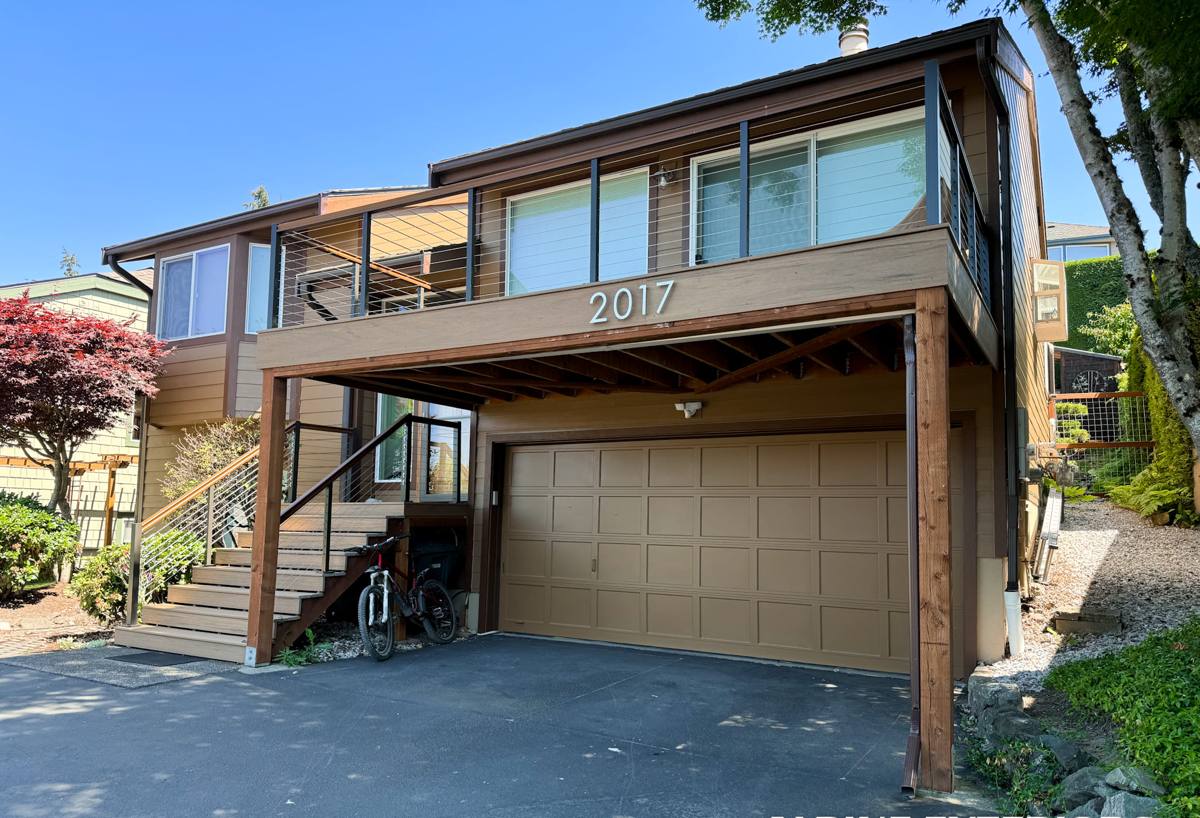
What Whatcom County Weather Actually Does to a Shingle Roof
Moss and Algae
Shade, moisture, and mild temperatures are exactly what moss wants, and Barkley's mix of mature trees and marine-layer humidity gives it plenty of both. Moss does more than look bad. It holds water against the shingle surface long after a storm has passed, works its way under shingle tabs, and lifts granules loose over time. Once granules are gone, the shingle's UV and weather protection goes with them.
Driving Rain and Wind
Bellingham gets a lot of rain that does not fall straight down. Wind off the strait and out of the passes pushes rain sideways and up under shingle edges, which is exactly where a lot of roofs fail first — not out in the open field of the roof, but at valleys, edges, and anywhere flashing was cut corners on. A shingle roof built for this area has to assume wind-driven rain as a normal condition, not an occasional event.
Salt Air and Metal Components
Barkley is not oceanfront, but it is close enough to the water that airborne salt still reaches fasteners, flashing, and any exposed metal on a roof over years of exposure. Standard fasteners and thin flashing corrode faster here than they would inland. It is a slow effect, but it shows up as rust streaks, loosened nails, and flashing that fails years before the shingles themselves would have.
What a Correct Asphalt Shingle Roof Actually Involves
A shingle roof is a system, not a single product. Skipping or shortcutting any layer of that system is where most premature roof failures come from, and it is usually invisible from the ground until something leaks.
Tear-Off Versus Overlay
Installing new shingles over an old layer is faster and cheaper, but it traps moisture, hides deck damage, and voids many manufacturer warranties. On any Barkley roof with visible sagging, existing moss damage, or more than one layer already down, a full tear-off to bare decking is the only way to actually know what condition the roof is starting from.
Decking Inspection and Repair
Once the old shingles are off, the decking underneath gets inspected for soft spots, rot, or delamination — problems that are common under long-standing moss growth or old flashing failures. Replacing bad decking before new shingles go down is not optional; shingles fastened to soft decking will fail regardless of shingle quality.
Underlayment and Ice-and-Water Protection
A synthetic or felt underlayment goes down across the full deck as the roof's backup water barrier, with self-adhering ice-and-water membrane at the eaves, valleys, and around penetrations — the spots where wind-driven rain is most likely to get pushed underneath the shingle layer.
Flashing at Every Transition
Step flashing at walls, valley flashing, and properly sealed flashing around vents and chimneys matter more than the shingle brand. Most roof leaks trace back to flashing, not the shingles themselves. This is also the detail most often rushed on a fast, low-bid job.
Ventilation
Balanced intake and exhaust ventilation keeps the attic dry and temperature-stable, which slows moss growth on the roof deck side and protects the shingles from premature aging caused by trapped heat and moisture. A roof can be installed perfectly and still underperform if the attic underneath it cannot breathe.
Choosing the Right Shingle for a Barkley Roof
Not every asphalt shingle is built the same way, and the differences matter more in a wet, moss-prone climate than they would somewhere dry. Here is how the common options compare for a home in this area.
| Shingle Type | Typical Lifespan Here | Moss/Algae Resistance | Best Fit |
|---|---|---|---|
| 3-tab (economy) | 15-20 years | Low unless treated | Budget-driven projects, rentals |
| Architectural / dimensional | 25-30 years | Moderate to good with algae-resistant granules | Most Barkley homes |
| Algae-resistant (copper/zinc granule) architectural | 25-30 years | Best available in asphalt shingles | Shaded lots, heavy tree cover, north-facing slopes |
| Impact-rated (Class 4) | 25-30 years | Moderate to good | Homes wanting hail/debris resistance, possible insurance discount |
For most Barkley properties, an architectural shingle with algae-resistant granules is the practical middle ground: meaningfully better moss resistance than economy shingles, without paying for impact ratings that matter more in hail-prone regions than they do here.
Our Process, Start to Finish
- On-site inspection. We look at the existing roof, attic ventilation, decking condition where visible, and any moss or wear patterns specific to the home's exposure and tree cover.
- Written estimate. A clear scope and price before any work starts, with options explained rather than a single take-it-or-leave-it number.
- Tear-off and deck inspection. Old materials removed, decking checked and repaired as needed, debris hauled off the same day where possible.
- Underlayment and flashing. Full underlayment, ice-and-water protection at vulnerable areas, and new flashing at every wall, valley, and penetration.
- Shingle installation. Installed to manufacturer spec for nailing pattern and exposure, not just "close enough."
- Ventilation check. Intake and exhaust venting confirmed or corrected as part of the job, not treated as a separate add-on.
- Final walkthrough and cleanup. Site cleared, magnetic sweep for stray fasteners, and a final look at the finished roof together before we consider the job done.
Maintenance That Actually Extends Roof Life in This Climate
A well-installed shingle roof still needs basic upkeep in a climate like this one. Most of it is simple and cheap compared to the cost of an early replacement caused by neglect.
- Keep gutters clear so water is not backing up under the eave edge, especially during fall leaf drop and after wind storms.
- Have moss growth treated or removed before it spreads across the field of the roof, rather than after it has already lifted shingle tabs.
- Trim back tree limbs that keep sections of the roof shaded and damp longer than the rest of the house.
- Walk the roofline visually from the ground after major storms, watching for lifted shingles, exposed flashing, or debris buildup in valleys.
- Schedule a professional roof check every few years even with no visible problems — small flashing issues are far cheaper to fix before they become deck damage.
What Actually Drives the Cost of a Shingle Roof
Every roof is priced individually, but the same handful of factors move the number up or down on almost every Barkley job.
- Roof size and pitch. Steeper roofs take longer, need more safety setup, and use more material per square foot of coverage.
- Number of existing layers. A tear-off with multiple old layers costs more in labor and disposal than a single-layer tear-off.
- Decking condition. Any rot or soft decking found during tear-off adds material and labor to replace it properly.
- Roof complexity. Valleys, dormers, skylights, and chimneys all add flashing work beyond a simple rectangular roof.
- Shingle grade chosen. Economy, standard architectural, and algae-resistant or impact-rated shingles all carry different material costs.
- Access. Steep driveways, tight lots, or limited staging area can add setup time and equipment needs.
Because of how much these factors vary house to house, an honest number only comes from an actual on-site look, not a phone quote.
Why a Crew That Already Works in Barkley Makes a Difference
A roofing crew that already works this part of Bellingham knows how moss behaves on the shaded, tree-lined lots common in the area, understands which flashing details tend to fail first under wind-driven rain from this direction, and is not learning the local permit and inspection process on your job. That familiarity shows up in fewer surprises during tear-off and a roof that is built for the conditions it will actually face here in Whatcom County, not generic conditions from a different climate.
If you are dealing with an aging shingle roof, visible moss, or you just want a straight answer on whether repair or replacement makes more sense for your Barkley home, we are happy to take a look. Fill out the form below for a free, no-pressure estimate.