 Bellingham Siding
 New-Construction Windows Built for Blaine's Waterfront Climate
Blaine sits right on the water at the north end of Whatcom County, and that location shapes everything about how a window should go into a new home there. Salt air off the bay accelerates corrosion on hardware and fasteners that would last decades a few miles inland. Driving rain off the water pushes water sideways into wall assemblies, not just straight down. And the long gray season that runs from fall through spring keeps north- and shade-facing walls damp long enough to grow moss and algae on anything that holds moisture. None of that is a defect in the house — it's just what a marine climate does, and a new-construction window install has to be planned around it from the start, not patched later.
We're a Bellingham-based crew that regularly works new builds in Blaine, so this isn't theoretical for us. It changes which frame materials we recommend, how we detail flashing, and how we sequence the work with the builder's schedule.
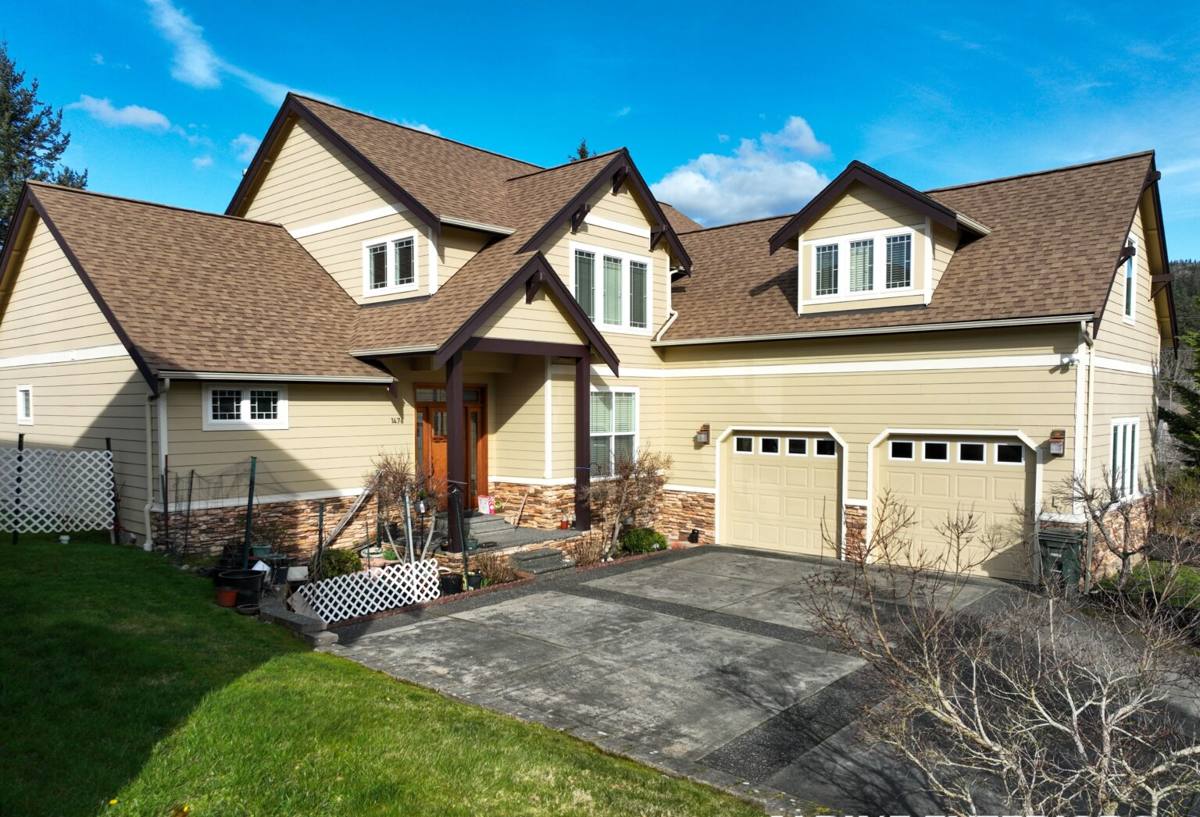
Why New-Construction Installation Isn't the Same Job as a Replacement
A lot of window marketing lumps "installation" into one category, but a new-construction install and a retrofit/replacement are genuinely different jobs with different failure points.
Nailing Fin vs. Flush-Fin or Insert Units
New-construction windows typically use a nailing fin (also called a flange) that gets integrated directly into the wall's weather-resistive barrier (WRB) and flashing system before siding goes on. That's an advantage — done correctly, it's the most water-tight way to set a window, because the whole assembly is built in layers from the sheathing out, with nothing hidden behind existing finish material. The tradeoff is that there's no room for a shortcut. Every layer has to lap correctly, in order, or the mistake gets buried under siding and doesn't show up until there's a leak.
Sequencing With the Builder
On a new build, window installation sits in a specific slot in the schedule: after the WRB is on and rough openings are framed and checked, before siding, trim, and exterior finishes close everything up. We coordinate directly with the general contractor or builder so windows go in at the right point — not so early that the opening isn't ready, not so late that it holds up siding crews.
What a Correct Installation Actually Involves
"Correct" isn't a marketing word here — it means specific steps done in the right order, every time, whether the window is on the sheltered side of the house or facing straight into the weather off the bay.
- Rough opening checked for square, level, and correct size before the window ever gets set
- Sloped sill pan flashing installed at the base of the opening so any water that gets past the window drains back out, not into the wall
- Weather-resistive barrier integrated with the flashing in the correct shingle-lap order — head flashing over the WRB, side and sill flashing under it
- Window set plumb, level, and square, with shims at load-bearing points, not just at the corners
- Fasteners and hardware rated for coastal/marine exposure, since standard-grade fasteners corrode faster in salt-laden air
- Low-expansion, non-corrosive sealant at the fin and interior air seal — sealant is a backup layer, not the primary defense against water
- Backer rod set before caulking on any gap wider than a bead of sealant can bridge on its own
- Final check that drainage paths (weep holes, sill pan) are clear and functional before siding closes the wall up
Skip or rush any one of those steps and the window can look fine for a year or two before a leak shows up inside the wall — by which point the fix means removing siding, not just re-caulking.
Choosing a Window Frame for a Blaine Build
Frame material matters more here than it does in a drier, inland climate, because salt air and constant moisture exposure are harder on some materials and finishes than others. We don't push one brand — we walk through what fits the house, the budget, and the exposure.
| Frame Material | Coastal/Moisture Durability | Maintenance | Relative Cost |
|---|---|---|---|
| Vinyl | Good — won't corrode or rot; UV-stable modern formulations hold up well in marine air | Low — occasional cleaning | Lower |
| Fiberglass | Very good — dimensionally stable, resists moisture and salt exposure well | Low | Higher |
| Aluminum-clad wood | Good on the exterior clad face, but any breach in the cladding exposes wood to moisture and rot risk over time | Moderate — cladding seams and interior wood need periodic attention | Higher |
| Bare aluminum | Fair — conducts cold and can pit or corrode faster in salt air without a quality anodized or powder-coat finish | Moderate | Moderate |
We generally steer waterfront and near-waterfront Blaine builds toward vinyl or fiberglass for the durability-to-maintenance ratio, and reserve clad-wood for homeowners who specifically want that look and are willing to keep up with maintenance. That's a professional judgment call based on how these materials actually behave in salt air over years, not a claim that any one product is unusable.
New Construction vs. Replacement: What Changes
| Aspect | New Construction | Replacement/Retrofit |
|---|---|---|
| Flashing | Built into the wall assembly from scratch, fully accessible | Worked around existing siding and finish; less visibility into the wall |
| Fin type | Nailing fin, integrated with WRB | Often flush-fin or insert unit set into the existing frame |
| Sequencing | Coordinated with framing, WRB, and siding crews | Standalone project on an already-finished house |
| Sizing flexibility | Rough openings can be built to the window | Window is chosen to fit the existing opening |
Energy Code and Egress: What a Blaine Build Has to Meet
Whatcom County falls in the marine climate zone under the Washington State Energy Code, which sets minimum performance requirements for new-construction windows — generally expressed as a maximum U-factor for the whole window assembly, not just the glass. We select and verify NFRC-labeled units that meet the current code requirement for the home's compliance path, whether the builder is going with a prescriptive approach or a total building performance calculation.
Bedrooms also need to meet egress requirements — minimum clear opening width, height, and area, and a maximum sill height above the finished floor. On a new build, this gets planned into the window schedule up front, but we double-check every bedroom opening against the egress numbers before installation, not after.
Our Process on a New-Construction Job
- Plan review and window schedule. We go through the builder's plans and window schedule, flag any sizing, egress, or exposure concerns before ordering.
- Material and product selection. We walk the homeowner or builder through frame material and glass package options suited to the home's specific exposure — a wall facing the bay gets treated differently than a sheltered interior wall.
- Coordination with the build schedule. We time our work with the framing and WRB crews so windows go in at the right stage, without becoming the bottleneck.
- Installation. Rough opening prep, sill pan and flashing integration, setting the window, air sealing, and fastening — done to the sequence outlined above.
- Walkthrough and documentation. Before siding closes the wall, we do a final check on flashing laps and drainage so any issue gets caught while it's still visible and fixable.
Why a Bellingham Crew That Works Blaine Specifically Matters
Blaine isn't just "coastal" in the abstract — it's a specific exposure, close to the international border, with its own wind and moisture pattern shaped by the bay and the open water to the west. A crew that mostly works drier, more sheltered sites and treats Blaine as an occasional add-on doesn't build the same instinct for which walls take the worst of the driving rain, or how fast moss establishes on a shaded north elevation here. We work Blaine regularly enough to know that a window detail that's "good enough" inland isn't automatically good enough on a lot exposed to the water, and we price and detail the job accordingly rather than applying a one-size-fits-all approach.
After Move-In: What to Watch For
Even a correctly installed window benefits from a homeowner keeping an eye on a few things during that first wet season. Check that exterior caulk lines stay intact — sealant is a maintenance item, not a lifetime feature. Keep an eye out for moss or algae buildup on north- and shade-facing frames and address it early with a gentle cleaning rather than letting it hold moisture against the frame long-term. And if you ever notice staining or bubbling on interior drywall near a window after a hard storm, get it looked at promptly — caught early, it's usually a small fix.
If you're planning a new build in Blaine or anywhere else in Whatcom County, we're happy to walk the plans, talk through window options for your specific site exposure, and put together a free, no-pressure estimate. There's a form below to get that conversation started.