 Bellingham Siding
 Windows in Lynden Take a Different Kind of Beating Than People Expect
Lynden sits far enough inland that people sometimes assume it's spared the worst of what Whatcom County's weather throws at a house. It isn't. The same marine air that rolls in off the Sound settles across the county's low farmland, and Lynden gets its own version of the pattern that wears down every home in this part of Washington: long stretches of driving rain, short daylight winters, and a moss season that can run from October well into spring. Windows sit right at the center of that exposure. A window is a hole in the building envelope with moving parts, seals, and glazing that all have to keep working through decades of freeze-thaw cycles, wind-driven rain, and constant moisture in the air.
When a window fails in this climate, it rarely fails all at once. It shows up as a fogged pane, a sticky sash, a cold draft near the frame in January, or soft trim that wasn't soft five years ago. By the time a homeowner notices, water has usually been getting behind the exterior finish for a while. That's why window work here isn't just about picking a style and a color — it's about how the unit is flashed, sealed, and tied into the wall assembly so the next twenty years of Whatcom County weather don't undo the installation.
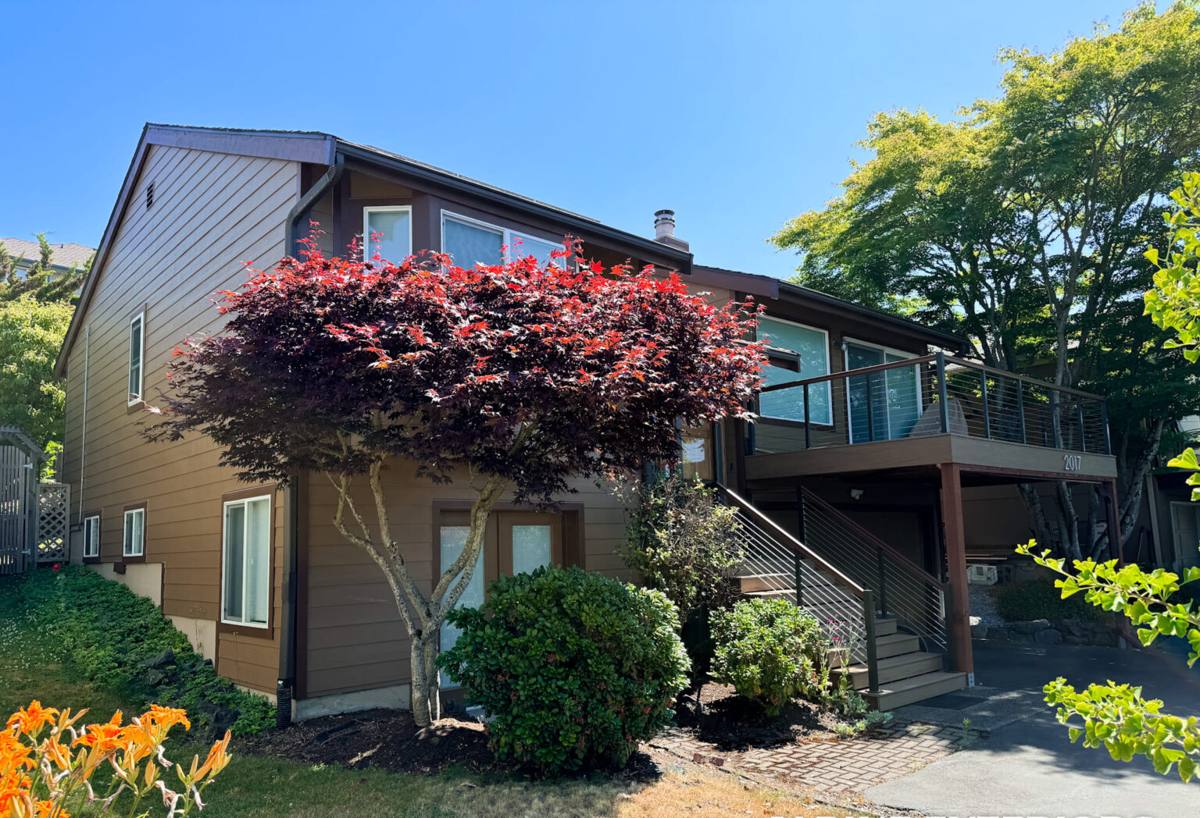
What a Correct Window Installation Actually Involves
Most of what determines whether a window lasts happens before the sash ever gets set in the opening. The window unit itself is a manufactured product built to a spec — the installation is where quality is won or lost, and it's also where corners get cut when a crew is moving fast or doesn't know the local conditions.
Flashing and Weather Barrier Integration
Every opening needs a sequenced flashing system: sill pan flashing that sheds any water that gets past the window to the outside, side flashing that laps correctly over the sill pan, and head flashing that laps over the housewrap or weather-resistant barrier above. Get the lapping order wrong — even by a single course — and you've built a shingle-style path for water to run straight into the wall cavity instead of away from it. In a climate with as much sustained rain as this one, that mistake doesn't show up right away. It shows up as rot two or three winters later.
Sealing, Shimming, and Insulation Details
A window has to be shimmed square and plumb before it's fastened, or it will never seal or operate correctly regardless of how good the unit is. The gap between the rough opening and the window frame needs to be insulated — not packed tight with rigid foam, which can bow the frame, but filled with a low-expansion foam or backer rod and sealant that stays flexible. Interior and exterior sealant beads each do a different job, and skipping either one is a common shortcut that leads to air leaks and condensation around the frame.
Common Shortcuts and What They Cost You
- Skipping sill pan flashing: water intrusion at the sill, often invisible until interior trim or subfloor damage appears
- Reusing old flashing tape or housewrap without re-lapping it correctly: broken drainage plane, moisture trapped behind siding
- Over-driving fasteners: bowed frames that bind, won't lock, or leak at the corners
- Foam-only air sealing with no backer rod or sealant: gaps open back up as the foam ages and shrinks
- Ignoring existing rot in the rough opening: a new window fastened into compromised framing fails from the inside out
Choosing Window Materials That Make Sense for This Climate
There's no single "best" window material — there's a best fit for a given home, budget, and exposure. In Lynden, the deciding factors are usually moisture tolerance, how much upkeep the homeowner wants to take on, and how the window will hold up to constant damp air rather than occasional storms.
| Material | Moisture Behavior | Maintenance | Typical Fit |
|---|---|---|---|
| Vinyl | Won't rot; performs well in constant damp conditions | Low — occasional cleaning | Most Lynden homes, especially where budget and low upkeep both matter |
| Fiberglass | Very stable, minimal expansion/contraction with temperature swings | Low | Homes wanting a narrower sightline or a painted finish option |
| Aluminum-clad wood | Good exterior protection, but any breach in the cladding lets moisture reach the wood core | Moderate to high — cladding seams need periodic inspection | Homes prioritizing a real wood interior look, where upkeep is accepted |
| Bare wood | Requires diligent paint/finish maintenance to resist rot in a wet climate | High | Historic or period-specific homes where the owner wants to maintain it |
We're honest with homeowners about the trade-offs in that table rather than pushing whatever we happen to have on the truck. A wood-clad window can be a great choice on the right home, but it's a commitment — if the cladding is ever punctured or the seams aren't checked, moisture gets into the core and you won't see it until the damage is done. For most Lynden homes dealing with year-round damp air, vinyl or fiberglass gives the best balance of performance and low maintenance, which is why we lean toward those materials as our default recommendation unless the home's design calls for something else.
Signs Your Current Windows Are Already Losing the Fight
Window failure in this climate is gradual, so it helps to know what to check for before a small problem becomes a wall repair.
- Fogging or a visible film between panes of a double-pane unit — the seal has failed and the insulating gas or air gap is gone
- Sashes that stick, won't stay open, or are hard to lock — frames have shifted or swollen
- Soft, spongy, or discolored trim or sill around the window
- Visible moss or dark streaking on the exterior trim near the window head
- A noticeable draft at the frame edge when it's windy outside
- Peeling paint or bubbling finish on interior sills or jambs, which often points to trapped moisture rather than just age
- Higher heating bills in a room with no other obvious cause
How We Approach a Window Project in Lynden
- On-site assessment: we look at each opening individually — some windows on a home may need full replacement while others just need better sealing or trim repair
- Checking the rough opening: before any new window goes in, we confirm the framing underneath is sound and dry; if there's rot, we address that first rather than fastening a new window to compromised wood
- Material and style selection: we walk through options based on your home's age, siding type, and how much upkeep you want long-term
- Removal and flashing: old units come out carefully to protect the surrounding siding and trim, and the opening gets a proper sequenced flashing system before the new window goes in
- Installation, shimming, and sealing: each window is set square and plumb, insulated correctly around the frame, and sealed inside and out
- Final check and cleanup: we test operation, check the seals, and make sure the site is left clean
What Affects the Cost of a Window Project
Costs vary enough from project to project that we won't quote a number without seeing the home, but these are the main factors that move the price up or down.
| Factor | Why It Matters |
|---|---|
| Number of openings | Larger jobs get economy of scale on labor and material ordering |
| Window size and style | Custom shapes, large picture windows, and multi-panel units cost more than standard sizes |
| Material choice | Vinyl, fiberglass, and wood-clad have different price points, as outlined above |
| Condition of the rough opening | Rot or framing repair adds labor beyond a straightforward swap |
| Access and home height | Second-story or hard-to-reach openings take more time and equipment |
| Trim and siding disruption | Matching or repairing exterior trim/siding around the new unit adds scope |
Broadly, a straightforward single window replacement is a modest project, while a full-home window replacement is a significant investment — but it's also one of the few upgrades that pays back in comfort, lower heating bills, and reduced moisture problems for decades. We'll give you a real number after we've actually looked at your windows, not a guess over the phone.
Why a Crew That Already Works in Lynden Makes a Difference
A contractor who works across Whatcom County regularly sees how the same window details perform differently depending on a home's exposure — a north-facing wall that stays damp longer, a farmhouse with older single-pane wood sash that needs careful handling, a newer build where the original flashing was already done wrong once. That kind of pattern recognition comes from doing the work here repeatedly, not from a one-size-fits-all install used everywhere from a dry inland climate to a coastal one. We're a Bellingham-based crew, and Lynden is part of the territory we work in regularly — we're not learning this climate on your project.
It also matters for accountability. A local crew is easy to reach if a question comes up after the job, and we have a reputation in this county to stand behind, not just a single transaction to close.
Caring for New Windows After Installation
Good windows installed correctly need very little maintenance, but a few habits extend their life in this climate:
- Clean weep holes (the small drainage openings on the exterior sill) periodically so they don't clog with debris and trap water
- Check exterior caulk lines yearly, especially after a hard winter, and have any cracking resealed before it lets water in
- Keep gutters and downspouts clear so water isn't sheeting down the wall directly above window heads
- Wipe down tracks and hardware occasionally to keep moving parts operating smoothly through the damp months
- Address moss or dark staining on nearby trim promptly rather than letting it sit against the wood or fascia
If your windows are drafty, fogged, sticking, or just original to a home that's due for an upgrade, we're happy to come take a look. Reach out for a free, no-pressure estimate — we'll walk your windows with you, tell you honestly what needs replacing versus what can wait, and give you a real plan and price using the form below.