 Bellingham Siding
 Roofing in Ferndale Isn't the Same Job as Roofing Inland
Ferndale sits close to the water, in the same weather belt as the rest of Whatcom County, but the combination of salt-laced air, steady onshore moisture, and a moss season that can run eight months or more puts extra demands on a roof that towns thirty miles inland don't deal with in the same way. An asphalt shingle roof that would hold up fine in a drier, milder location can start showing granule loss, algae streaking, and moss intrusion years ahead of schedule here if it wasn't installed with this specific climate in mind.
We're a Bellingham-based crew that works Ferndale regularly, not a company that shows up once and disappears. That matters more than most homeowners realize, and we'll explain why further down. First, let's talk about what this climate actually does to a shingle roof and what a correct installation looks like in response.
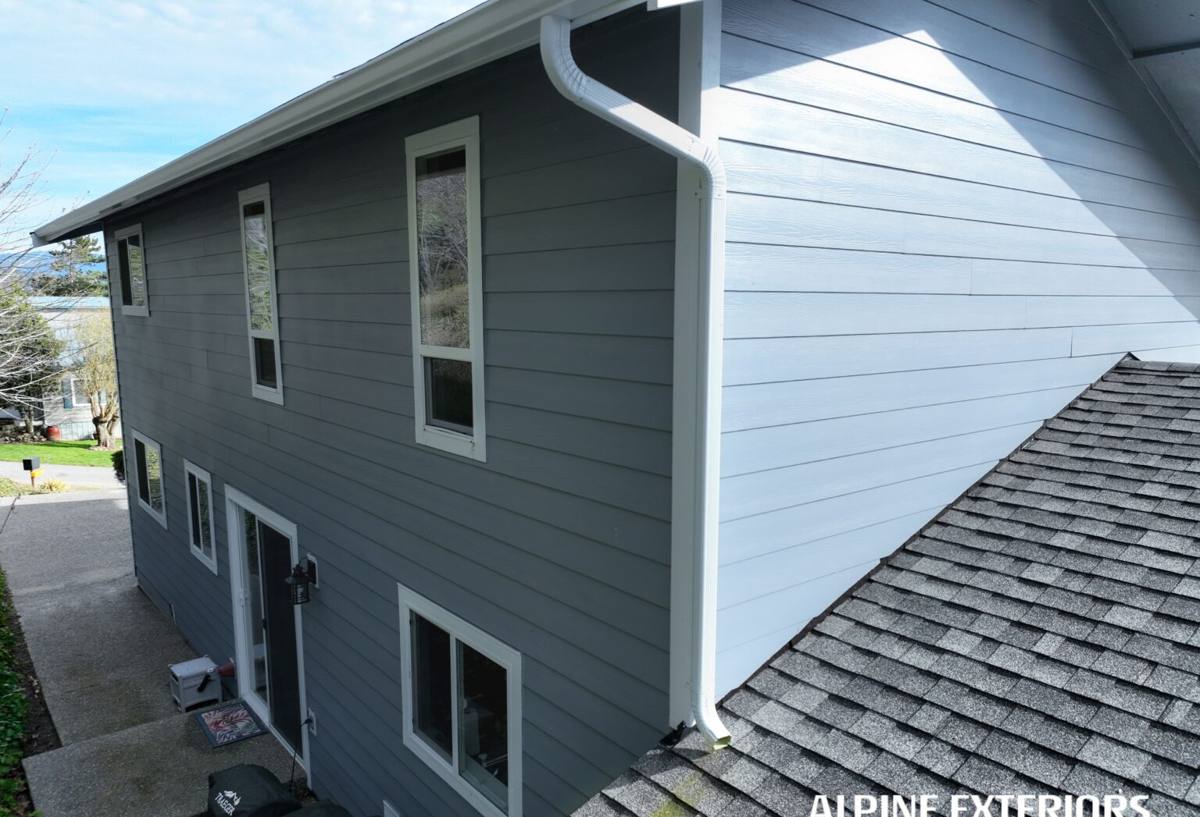
What Salt Air, Driving Rain, and Moss Actually Do to a Roof
Salt Air
Proximity to Puget Sound and the Strait of Georgia means the air carries salt content that inland roofs never encounter. Over time, salt exposure accelerates the breakdown of exposed metal — flashing, fasteners, vent caps — faster than the shingles themselves wear out. A roof can fail at the metal long before the shingle field does if the wrong-grade materials were used.
Driving Rain
Wind-driven rain off the water doesn't just fall straight down — it gets pushed sideways, up under shingle tabs, and into any gap in flashing or underlayment that a calmer climate could get away with ignoring. This is why underlayment coverage and flashing detail matter more here than the shingle brand printed on the wrapper.
Moss Season
Whatcom County's damp, shaded, mild winters are close to ideal growing conditions for moss and algae. Moss doesn't just look bad — it holds moisture against the shingle surface, works its way under tabs as it grows, and can lift shingles enough to let water underneath. A roof with poor airflow, heavy tree cover, or north-facing shade will grow moss faster than one that gets sun and ventilation, regardless of shingle quality.
What a Correct Asphalt Shingle Roof Looks Like Here
A roof built for Ferndale's conditions isn't a different product — it's the same asphalt shingle system installed with the right details for the exposure. The pieces that matter most:
- Ice-and-water shield at eaves and valleys — not just at the minimum code requirement, but extended far enough to handle wind-driven rain backing up under the shingle edge.
- Synthetic underlayment across the full deck — a continuous, properly lapped water barrier underneath the shingles, since the shingles are the first line of defense, not the only one.
- Balanced intake and exhaust ventilation — enough soffit intake and ridge or roof-vent exhaust to keep the deck dry and reduce the damp, shaded conditions moss favors.
- Corrosion-resistant flashing and fasteners — metal rated for coastal exposure at valleys, chimneys, skylights, and wall transitions, so the flashing outlasts the shingles instead of failing first.
- Algae-resistant shingles — most manufacturers now build copper-infused granules into their product lines specifically to slow algae and moss growth; this is a reasonable upgrade to discuss for a Ferndale roof, not a gimmick.
Signs Your Ferndale Roof Needs Attention
Because moss and moisture damage build slowly, a lot of homeowners don't catch a problem until it's already inside the attic. Worth checking for, or having us check for you:
- Moss growth along the shaded slopes or roof edges, especially north-facing sections
- Dark streaking or discoloration across shingle faces
- Granules collecting in gutters or at downspout outlets
- Shingle tabs that look lifted, curled, or cupped at the edges
- Soft or discolored spots on interior ceilings, especially after a heavy rain
- Rusting or streaking around flashing, vent boots, or chimney metal
- Visible daylight or gaps around roof penetrations from the attic side
Our Process, Start to Finish
Inspection and Honest Assessment
We start by getting on the roof, not just looking at it from the driveway. We check the shingle field, flashing, ventilation, and deck condition, and we'll tell you plainly if you're looking at a full replacement, a targeted repair, or just routine moss removal and maintenance. We're not going to sell a full tear-off to a roof that has a few good years left in it.
Tear-Off and Deck Prep
For a replacement, we strip the old roofing down to the deck, inspect the sheathing for soft spots or water damage, and replace any bad wood before anything new goes down. Skipping this step is one of the most common shortcuts in the industry, and it's the reason some roofs fail from underneath years before the shingles wear out.
Underlayment, Flashing, and Shingle Installation
Ice-and-water shield goes down at eaves and valleys first, then full-deck underlayment, then new flashing at every penetration and wall transition, then the shingles themselves, installed to the manufacturer's nailing and exposure specs — not shortcuts to save time.
Ventilation Check and Cleanup
We verify intake and exhaust airflow is balanced before we call the job done, and we do a full site cleanup, including a magnetic sweep for stray nails. A roofing job that leaves debris in your yard or gutters isn't finished.
Shingle Options and Cost Factors
Most Ferndale homes land on a standard three-tab or architectural (dimensional) asphalt shingle, but the right choice depends on your roof's exposure, budget, and how long you plan to stay in the home. The table below covers the main trade-offs we walk homeowners through.
| Factor | 3-Tab Shingle | Architectural Shingle |
|---|---|---|
| Typical lifespan | Shorter end of asphalt range | Longer end of asphalt range |
| Wind and rain resistance | Good, meets code | Generally higher rated, thicker profile |
| Moss/algae resistance option | Available on some product lines | Widely available, often standard |
| Upfront cost | Lower | Moderate to higher |
| Appearance | Flat, uniform look | Dimensional, shadow-line look |
Beyond shingle type, the other real cost factors are roof pitch and access, the number of layers being removed, deck repair if the sheathing is soft in spots, and the complexity of valleys, chimneys, and penetrations. We'll walk all of this with you on-site before giving you a number — we don't quote off a satellite photo.
Ventilation and Moss Prevention Matter as Much as the Shingles
A shingle roof is only as good as the airflow underneath it. Poor ventilation traps heat and moisture in the attic, which shortens shingle life from below and creates the damp conditions moss thrives in from above. If your current roof has chronic moss problems even after cleaning, undersized or blocked ventilation is often the real cause, not the shingle brand. We check this on every inspection, not just on jobs where we're already replacing the roof.
Zinc or copper control strips near the ridge can also help slow moss regrowth between cleanings, and we're happy to discuss that as an add-on for roofs under heavy tree cover.
Why a Bellingham-Based Crew That Already Works Ferndale Matters
Roofing in this part of Whatcom County means working around real weather windows — you don't want a crew that schedules a tear-off without a solid read on the local forecast, because an open roof deck and an unexpected rain system is how interior water damage happens. A crew that works this area regularly knows how to plan around it, and how to stage the job so your home isn't exposed longer than it needs to be.
It also means we're not guessing at material specs. We already know what holds up against this coastline's salt air and rain, what moss-resistant options are worth the upgrade, and what corners tend to get cut on roofs that weren't built for this exposure. If something needs warranty follow-up years down the road, we're still local — not a name from out of the area that's hard to reach once the job's done.
Maintenance That Extends Your Roof's Life
Asphalt shingle roofs in this climate benefit from a bit of regular attention rather than being ignored until there's a problem:
- Keep gutters and downspouts clear so water isn't backing up under the shingle edge
- Have moss removed by a professional method rather than pressure-washed, which can strip granules and shorten shingle life
- Trim back overhanging branches to reduce shade and debris buildup on north-facing slopes
- Get an inspection after major windstorms, not just on a fixed yearly schedule
- Address small flashing or fastener issues early, before driving rain finds the gap
If you're dealing with moss buildup, a roof that's overdue for replacement, or you just want an honest read on where things stand, we're glad to come take a look. Estimates are free, there's no pressure, and we'll tell you straight what your roof actually needs — use the form below to get started.