 Bellingham Siding
 Roofing for a Neighborhood Built Into the Trees
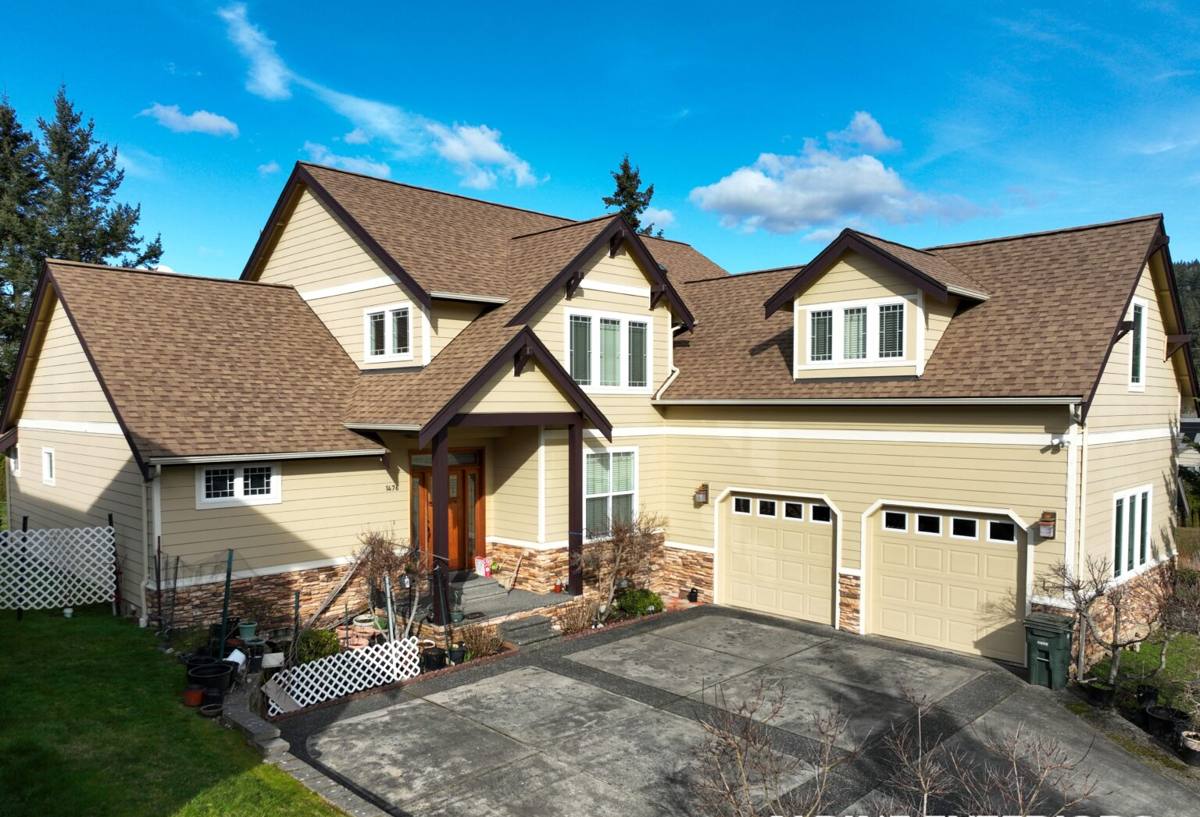
Sudden Valley sits on the hillsides and forested lots around Lake Whatcom, and that setting shapes almost every roofing decision homeowners here have to make. Steep, tree-covered parcels mean a lot of roofs stay shaded for large parts of the day, especially on the north- and east-facing slopes tucked under fir and cedar canopy. Shade holds moisture. Moisture, combined with the falling needles and organic debris that collect in valleys and behind chimneys, is exactly what moss and algae need to get established on an asphalt shingle roof.
Add in the driving rain that comes through Whatcom County off the Sound, and the wind that can funnel across the lake and through the gaps between trees, and you've got a roofing environment that's genuinely harder on shingles than a typical open, sunny lot in town. None of this means asphalt shingles are the wrong choice for Sudden Valley — they're still one of the most practical, cost-effective, and repairable roofing materials available. It means the installation has to account for what this specific setting throws at it, not just follow a generic spec sheet.
What This Climate Actually Does to a Shingle Roof
Understanding the failure pattern helps explain why the details matter so much here.
Moss and Algae
Moss doesn't just sit on top of a shingle — its root structure works into the granule surface and the shingle mat underneath, lifting tabs and holding water against the roof deck. Once moss gets a foothold in a shaded valley or along a north slope, it spreads. Algae staining (the dark streaks you'll see on older roofs) is mostly cosmetic, but heavy moss growth is a structural problem waiting to happen.
Driving Rain and Wind-Driven Water
Wind off the lake doesn't just push rain sideways — it pushes it uphill under shingle tabs and around flashing details that would stay dry on a calmer site. Roofs here need sealant strips, nail patterns, and underlayment that are rated for wind-driven rain, not just standard exposure.
Debris Load
Needles, cones, and leaf litter collect in valleys, behind chimneys, and around plumbing vents. Left alone, that debris holds water like a sponge against the shingle surface and accelerates both moss growth and granule loss.
Salt-Influenced Air
Whatcom County's proximity to the Sound means metal roofing components — flashing, vents, fasteners — need to be rated for a coastal-influenced climate, not just a standard inland spec. It's a smaller factor for shingles themselves than for the metal details around them, but it affects material choice on every roof we do in this county.
Signs a Sudden Valley Roof Needs a Closer Look
Most shingle roof failures don't show up as a sudden leak — they build slowly, often for years, before water finally finds its way inside. Homeowners here should watch for:
- Visible moss patches, especially on shaded slopes or in valleys — even a thin green line along a shingle edge
- Dark streaking (algae staining) across large sections of the roof
- Granules collecting in gutters or at the base of downspouts
- Curling, cupping, or lifted shingle tabs, particularly on the windward side
- Soft spots or sagging when viewed from the ground or an attic
- Daylight visible through the roof deck from inside the attic
- Water stains on interior ceilings, especially near chimneys, skylights, or valleys
- Debris buildup that hasn't been cleared in a season or more
Any one of these on its own might be minor. Two or three together, especially on an older roof, usually means it's worth a real inspection rather than a guess.
Choosing the Right Shingle for This Setting
Not every asphalt shingle product is built the same way, and for a shaded, damp lot the differences matter more than they would on an open, sunny roof.
| Shingle Type | Typical Lifespan | Best Fit for Sudden Valley |
|---|---|---|
| Standard 3-tab | 15–20 years | Budget-driven projects on less-shaded slopes; weakest against moss and wind-driven rain |
| Architectural / laminate | 25–30 years | Our standard recommendation — thicker mat, better wind rating, holds up better under debris load |
| Algae-resistant (copper- or zinc-granule) architectural | 25–30 years | Worth the upgrade on heavily shaded, tree-covered lots where moss and algae are a known issue |
| Impact-rated architectural | 25–30 years | Useful where falling branches or debris from tall conifers are a realistic concern |
We don't push algae-resistant shingles on every job — on an open, sunny lot they're not worth the added cost. But on a shaded Sudden Valley parcel with mature tree cover, the upgrade usually pays for itself in fewer moss treatments and a longer real-world lifespan.
What a Correct Installation Looks Like Here
The shingle itself is only part of the system. On a lot like this, the details underneath and around it do most of the work.
Deck Inspection First
Before any shingle goes down, we check the roof deck for soft spots, delamination, or moisture damage — especially in valleys and around penetrations, where past moss and water issues tend to concentrate. Shingling over a compromised deck just hides a problem that gets worse.
Underlayment Built for Wind-Driven Rain
We use synthetic underlayment rated for the wind and moisture exposure this area sees, with extra ice-and-water shield membrane at eaves, valleys, and around chimneys and vents — the spots where wind-driven rain and debris backup cause the most trouble.
Proper Attic Ventilation
Balanced intake and exhaust ventilation keeps the underside of the roof deck dry and reduces condensation, which matters a lot in a shaded, humid setting. Poor ventilation shortens shingle life regardless of how good the shingle itself is.
Flashing and Fasteners
Step flashing, valley metal, and vent flashing get sized and rated for coastal-influenced Whatcom County conditions, and nail patterns follow manufacturer specs for wind exposure rather than the bare minimum.
Our Process on a Sudden Valley Project
- On-site inspection — we walk the roof (or get eyes on every slope) and check the attic from inside, noting shade patterns, debris buildup, and any existing moss or water staining.
- Honest scope and estimate — full replacement, partial repair, or a maintenance plan, laid out with real numbers, not a guess.
- Tear-off and deck check — old material comes off completely so we can inspect and repair the deck rather than shingling over problems.
- Underlayment and flashing — installed to the standard this climate actually needs, not just code minimum.
- Shingle installation — laid to manufacturer wind-rating specs, with extra attention to valleys and shaded slopes.
- Ventilation check — intake and exhaust confirmed balanced before we call the job done.
- Site cleanup — debris, old materials, and stray nails cleared from the property, including areas around trees and landscaping.
What Drives Cost on a Job Like This
Sudden Valley pricing tends to land in the same broad range as the rest of Bellingham for comparable roof size and pitch, but a few local factors push it up or down:
| Factor | Effect on Cost |
|---|---|
| Roof pitch and access | Steep hillside lots and limited driveway access can add labor and staging time |
| Tree cover and overhang | May require pruning coordination or extra protection for landscaping during tear-off |
| Existing moss/water damage | Deck repair adds cost but is far cheaper than deferring it another season |
| Shingle grade | Algae-resistant and impact-rated upgrades cost more per square but reduce long-term maintenance |
| Number of valleys and penetrations | More flashing detail work means more labor, regardless of shingle choice |
We'd rather walk a homeowner through these factors up front than hand over a number with no explanation behind it.
Living With the Roof After It's Installed
A well-installed shingle roof in this setting still benefits from basic upkeep, given how much tree cover and moisture Sudden Valley properties deal with:
- Clear gutters and valleys of needles and debris at least once or twice a year
- Trim back overhanging branches where practical to reduce shade and debris load
- Address moss early with an appropriate treatment rather than letting it spread across a season
- Have the roof looked at after any major windstorm, not just when a leak shows up
- Keep an eye on attic ventilation — blocked vents undo a lot of the benefit of a good install
None of this is complicated, but skipping it is the single biggest reason a well-built roof underperforms its expected lifespan on a shaded, wooded lot like the ones common around here.
Why Local Experience Matters for This Job
A crew that only works flat, open, sunny roofs in other parts of the county will tend to under-spec ventilation and underlayment for a shaded Lake Whatcom-area lot, because they haven't seen how moss and wind-driven rain actually behave here over a few winters. Working Sudden Valley regularly means knowing which slopes hold moisture longest, how access and staging typically work on the area's hillside lots, and which shingle upgrades are worth the money versus which ones aren't — instead of applying a one-size-fits-all approach to a roof that deals with real microclimate differences within a single property.
If you're planning a new roof, dealing with moss or a suspected leak, or just want an honest read on how much life is left in your current shingles, we're glad to take a look. Reach out for a free, no-pressure estimate — the form below is the easiest way to get started.