 Bellingham Siding
 Birch Bay Sits Right at the Edge of What Siding Has to Handle
Birch Bay's shoreline location puts homes in one of the more demanding exposure zones in Whatcom County. You get salt-laden air coming off the water, wind-driven rain that hits siding at an angle instead of falling straight down, and a shaded, damp season that runs long enough for moss and algae to get a real foothold on north-facing walls and anything under tree cover. None of that is unique to one street or one subdivision — it's the general character of the area, and it's why siding that performs fine twenty minutes inland in Bellingham can still struggle here if it's not installed with the exposure in mind.
We install James Hardie fiber cement siding, and only James Hardie. This page isn't a generic rundown of the product — it's specifically about what Birch Bay's coastal conditions demand from a siding job, what correct installation looks like in that environment, and why hiring a crew that already works this stretch of coastline matters more here than it does for a typical inland remodel.
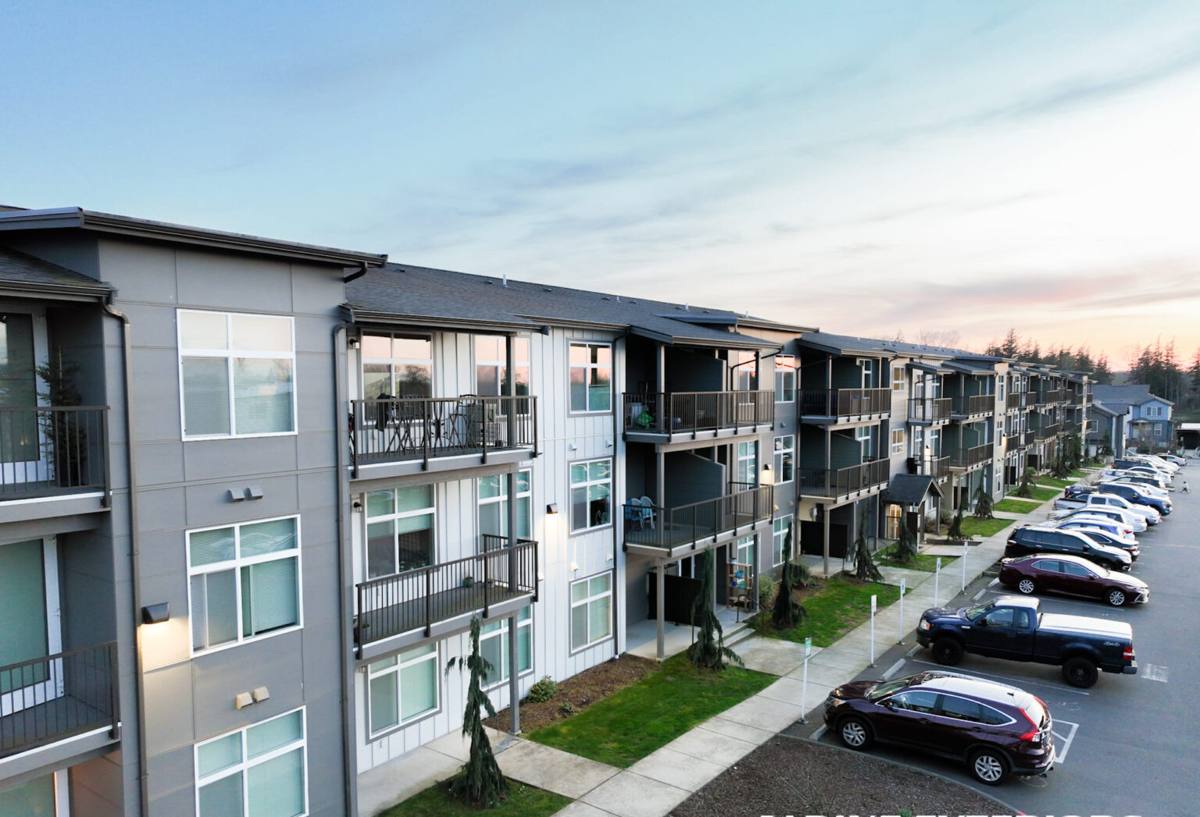
What Birch Bay Homes Are Actually Up Against
Salt Air
Airborne salt doesn't just affect metal fasteners and flashing — it accelerates the breakdown of paint films and caulking, and it settles into anything porous. Fasteners that aren't corrosion-rated will telegraph rust stains through siding within a few years in a salt-air environment. Trim, flashing, and fastener selection matter more here than they do for a home a few miles inland.
Wind-Driven Rain
Rain that comes in sideways off the water finds every gap a straight-down rain never would. That means lap joints, butt joints, window and door flashing, and any penetration through the siding plane are under more stress in Birch Bay than in a sheltered inland lot. A siding system that's watertight on paper can still leak if the installer didn't account for wind-driven exposure on the water-facing walls.
Moss and Algae Season
Whatcom County's long wet season is tough on any exterior surface, and Birch Bay's tree cover and shaded lots make it worse in spots. Moss and algae growth on siding isn't just cosmetic — trapped moisture underneath organic growth is what eventually leads to rot in wood-based products. It's a major reason we don't install anything with a wood or wood-composite substrate.
Temperature and Moisture Swings
Coastal Whatcom County doesn't see extreme heat or cold, but it does see near-constant humidity cycling — damp mornings, drier afternoons, damp again overnight. Siding here spends most of the year holding some amount of moisture. Materials that swell, cup, or absorb water make that cycle worse over time; materials that don't, don't.
Why James Hardie Fits This Kind of Exposure
James Hardie fiber cement is cement, sand, and cellulose fiber — there's no wood fiber to rot, swell, or feed moss the way an organic substrate can. It's also non-combustible, which matters given how many Birch Bay and Whatcom County properties border trees and brush. For salt-air, wind-driven-rain environments specifically, three things about the Hardie system matter:
- ColorPlus factory finish — baked-on, not field-brushed, so it holds up to UV and salt exposure longer than a job-site paint job and doesn't need repainting on the same schedule.
- HZ5 climate-engineered product line — Hardie engineers specific formulations for high-moisture, freeze-prone regions; the Pacific Northwest falls in that category, and using the right HZ product for our climate zone isn't optional if you want the warranty to mean anything.
- Dimensional stability — fiber cement doesn't expand and contract with moisture the way wood or wood-composite products do, which matters when a wall is cycling through damp-to-dry conditions most of the year.
We don't install LP SmartSide, vinyl, Cemplank, Allura, primed spruce, or cedar. Some of those are reasonable products in the right setting, but for a shoreline exposure like Birch Bay, the combination of moisture behavior, maintenance burden, and long-term warranty support is why we standardized on Hardie and stopped installing alternatives.
What a Correct Installation Actually Involves
The material is only half the equation. A lot of siding failures blamed on "the product" are actually installation issues — and in a wind-driven-rain environment like Birch Bay, installation details matter even more than they would somewhere sheltered.
Water Management Behind the Siding
Hardie siding should go over a proper weather-resistive barrier with correctly lapped flashing at every window, door, and penetration, ideally with a rainscreen gap to let incidental moisture drain and the wall assembly dry. This is the single biggest factor in whether a siding job holds up to coastal wind-driven rain over the long term — and it's invisible once the job is done, which is exactly why it's worth asking about before hiring anyone.
Fasteners and Flashing
In a salt-air environment, fastener corrosion resistance isn't a nice-to-have. We use fasteners and flashing rated for the exposure, not whatever's cheapest at the supply house, because rust streaks and fastener failure are some of the most common callbacks we see on homes near the water.
Clearances and Gaps
Hardie's install specs call for clearance from grade, roofing, and decks, plus specific gaps at butt joints and around penetrations that get sealed or flashed — not caulked and forgotten. Skipping these is the single most common way an otherwise good product ends up trapping water.
Cutting and Fastening to Spec
Fiber cement has to be cut, scored, and fastened according to manufacturer specs — correct fastener spacing, blind-nailing where called for, and proper edge distance. Installed off-spec, it can void the manufacturer warranty even though the material itself is fine.
Our Process for a Birch Bay Project
- On-site assessment — we look at wall orientation relative to the water and prevailing wind, existing moisture damage, tree cover and moss exposure, and the condition of the sheathing underneath.
- Product and color selection — matching the right Hardie profile (lap, panel, or shingle-style) and HZ5 formulation to the home, plus a ColorPlus color that suits the coastal light and any HOA or neighborhood expectations.
- Prep and moisture check — removing old siding, inspecting sheathing for hidden rot before it gets covered back up, and correcting any water intrusion issues found along the way.
- Weather barrier and flashing installation — the step that determines whether the wall stays dry for the next 30+ years, done to spec at every window, door, and penetration.
- Siding installation — cut, fastened, and joined to Hardie's specifications, with attention to the gaps and clearances that matter most in a wind-driven-rain environment.
- Final walkthrough — checking caulk lines, trim, touch-up paint on cut edges, and overall fit before we call the job done.
Choosing the Right Hardie Product for a Birch Bay Home
| Product Line | Typical Use | Why It Fits Coastal Exposure |
|---|---|---|
| HardiePlank Lap Siding | Most common wall application | Classic lap profile with ColorPlus finish; HZ5 formulation handles our moisture cycle well |
| HardiePanel Vertical Siding | Accent walls, modern styling, gable ends | Fewer horizontal joints for wind-driven rain to work into |
| HardieShingle | Accent areas, dormers, gables | Shingle look without the moisture uptake of real wood shakes |
| HardieTrim | Corners, window and door trim, fascia | Matches siding durability at the joints most exposed to wind-driven rain |
Cost Factors on a Birch Bay Siding Job
Every job is priced on its own specifics, but the same handful of factors tend to move the number most on homes in this area:
| Factor | How It Affects Cost |
|---|---|
| Existing wall condition | Hidden rot or moisture damage under old siding adds repair work before new siding can go on |
| Wall complexity | Dormers, multiple gables, and accent areas take more labor and trim than a simple rectangular wall |
| Product mix | Combining lap siding with panel or shingle accents costs more than a single profile throughout |
| Access and site conditions | Waterfront lots, steep grades, or limited equipment access can add time |
| Trim and flashing scope | Full trim replacement versus reusing sound existing trim changes material and labor cost |
Why It Matters That the Crew Already Works Birch Bay
A lot of siding problems in coastal Whatcom County trace back to an installer treating a waterfront property the same as an inland one — same fastener choice, same flashing detail, same disregard for which walls take the brunt of the wind. A crew that regularly works Birch Bay and the surrounding Bellingham area already knows which walls on a given lot are going to see the worst of the wind-driven rain, how much moss pressure to expect on the shaded side, and how the local permitting and inspection process works. That's not something you can shortcut with a generic install crew that's never worked this stretch of coastline before.
Before hiring anyone for a James Hardie installation near Birch Bay, it's worth asking:
- Are they James Hardie certified or specifically trained on manufacturer install specs?
- Will they inspect and address sheathing condition before covering it back up?
- What weather-resistive barrier and flashing approach do they use, and can they explain why?
- Do they use corrosion-rated fasteners suited to a salt-air environment?
- Can they provide proof of licensing and insurance, and local references?
- Do they carry manufacturer warranty registration through to completion?
If your Birch Bay home's siding is showing moss buildup, rust streaks, cracked caulk lines, or areas that feel damp or soft to the touch, it's worth having someone look at it before those issues turn into structural repairs. We offer free, no-pressure estimates for James Hardie siding projects in Birch Bay and throughout the Bellingham area — use the form below to get one scheduled.