 Bellingham Siding
 Why Birchwood Homes Need a Different Approach to Window Replacement
Birchwood is a mix of older ranch-style homes, mid-century builds, and newer infill construction, and that mix matters when it comes to windows. A house built in the 1970s or 80s in this part of Bellingham likely still has its original aluminum or early vinyl windows, or a first-generation replacement from decades ago that was never installed with today's flashing and moisture-barrier standards. Those windows weren't wrong for their era — they just weren't built to handle 40-plus more years of Whatcom County weather without help.
Window replacement in Birchwood isn't just a cosmetic upgrade. Done right, it's a chance to correct decades of small water-management shortcuts that add up over time in a marine climate. Done wrong — with a quick reseal-and-caulk approach instead of proper flashing and integration with the wall assembly — it just delays the same problem a few more years.
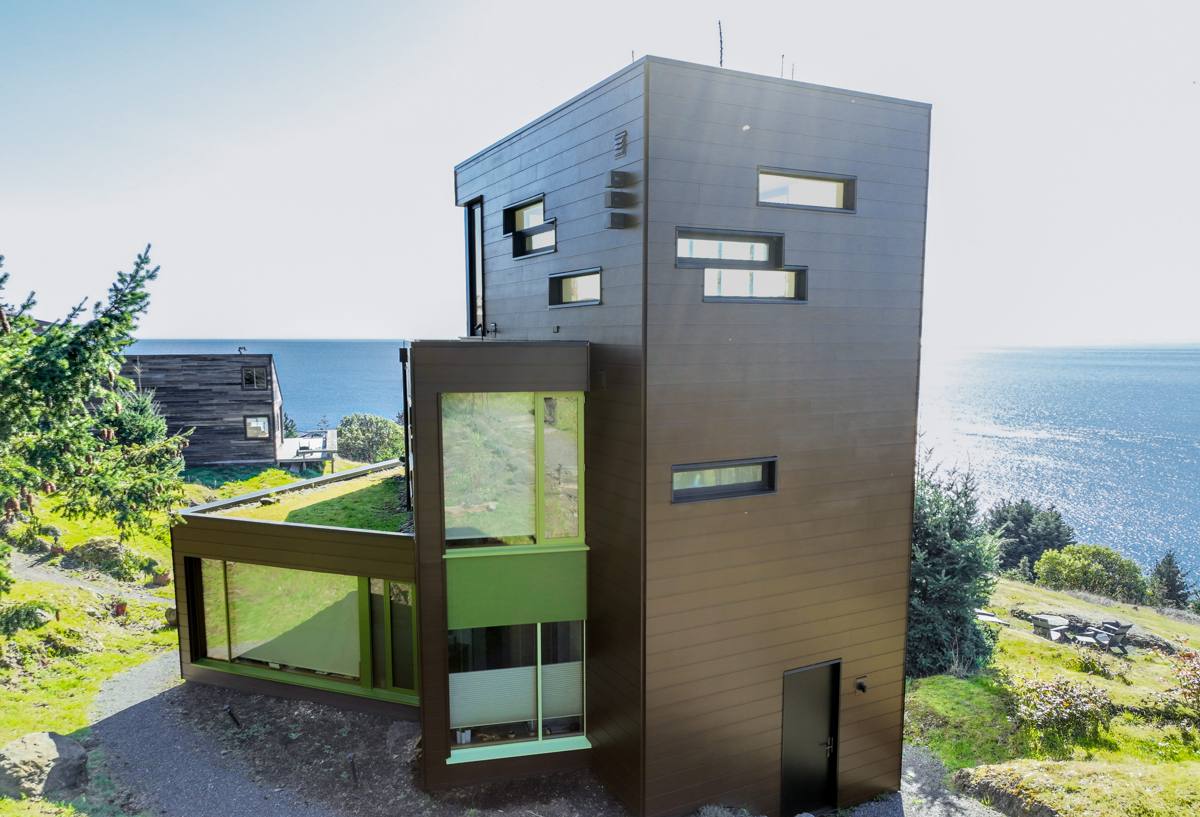
What Bellingham's Climate Actually Does to Windows
Bellingham sits close enough to the water that salt-laden air is a real factor, especially on homes with any western or southwestern exposure. Combine that with the driving, wind-pushed rain that comes through Whatcom County in the fall and winter, and you get two forces working against a window at once: salt air that slowly degrades metal hardware, screens, and unprotected fasteners, and wind-driven moisture that finds any gap in the seal around the frame.
Then there's moss. Our long moss season isn't just a roof problem — moss and organic debris collect on window sills, in the corners of frames, and along horizontal trim, holding moisture against wood and vinyl surfaces for weeks at a time instead of letting them dry between rain events. On older wood-frame windows especially, that persistent dampness is what starts rot at the sill and lower corners, which is almost always where we find the worst damage during a Birchwood inspection.
The compounding effect
None of these factors are dramatic on their own. It's the combination — salt exposure weakening hardware, near-constant rain finding weak seals, and moss holding moisture in place — repeated year after year, that turns a 20-year-old window into a liability. That's the pattern we plan around for every Birchwood replacement, not a generic install spec pulled from a drier climate.
Signs a Birchwood Home Is Ready for Replacement
Not every window with a little condensation needs to go. But there are specific signs, common in this neighborhood's housing stock, that point to replacement rather than repair:
- Fogging or a permanent haze between the panes of a double-pane window, meaning the seal has failed and the insulating gas is gone
- Soft, spongy, or darkened wood at the sill or lower corners of the frame — a strong indicator of rot that's already spread into the wall
- Visible moss or persistent green staining on the frame or sill that won't clean off and keeps returning
- Drafts you can feel with a hand near the frame on a windy day, even with the window latched shut
- Windows that are difficult to open, close, or lock, often from swollen wood or warped vinyl
- Rising heating bills without another clear explanation, especially in homes that still have original single-pane or early dual-pane windows
- Visible daylight or gaps around the exterior trim where old caulk has cracked and pulled away
If a home has two or more of these signs on windows facing west or southwest — the exposures that take the brunt of our weather — replacement usually makes more sense than continuing to patch and repair.
What a Correct Window Replacement Actually Involves
The window unit itself is only part of the job. In a climate like ours, the installation details around the window are what determine whether it lasts 10 years or 30.
Proper flashing and moisture management
Every replacement window needs to be integrated with the wall's water-resistive barrier, not just caulked into the opening. That means flashing tape or a pan flashing at the sill to direct any water that does get past the window back out, rather than letting it pool and soak into the framing. This step is invisible once the job is done, but it's the single biggest factor in whether a window causes rot down the line.
Correct sizing and shimming
A window that's shimmed unevenly will bind, warp, or develop gaps as the house settles. Getting the unit level, plumb, and square before it's fastened is basic craftsmanship, but it's also the step most likely to get rushed on a low-bid job.
Sealing that's built for wind-driven rain
Exterior sealant needs to be applied at the right points — not everywhere, since trapping moisture behind a window is its own problem — using a sealant rated for our temperature swings and UV exposure. Over-caulking is almost as common a mistake as under-caulking, and it can trap water inside the wall assembly instead of keeping it out.
Interior finish work
Once the window is set and sealed, interior trim, insulation around the frame, and paint or stain need to be finished cleanly. A window that's flashed perfectly but left with a gap in the interior insulation still lets in drafts and, over time, condensation.
Choosing the Right Window Type for a Birchwood Home
Frame material matters more here than in a drier inland climate, because it determines how the window handles moisture and salt air over the long run.
| Frame Material | How It Handles Our Climate | Maintenance |
|---|---|---|
| Vinyl | Doesn't corrode from salt air; handles moisture well; some flexing in temperature swings | Low — occasional cleaning, no painting |
| Fiberglass | Very stable in wet and dry cycles; strong resistance to warping and moisture damage | Low — durable finish, minimal upkeep |
| Wood (clad exterior) | Good insulation and appearance; exterior cladding protects the wood from direct rain and moss buildup | Moderate — interior wood may need periodic attention |
| Aluminum | Prone to corrosion from salt air over time; conducts cold and can promote interior condensation | Higher — hardware and finish need more frequent attention |
We don't push one brand or material on every home. For most Birchwood homeowners, vinyl or fiberglass frames offer the best balance of moisture resistance and low upkeep given our salt air and long rainy stretches. Wood-clad windows can be a great fit where the look matters and the budget allows, as long as the cladding and flashing details are done correctly. We generally steer homeowners away from bare aluminum replacements in this climate — not because aluminum is a bad material everywhere, but because its tendency to corrode near salt air and conduct cold makes it a poor long-term match for this specific location.
Our Window Replacement Process
- On-site assessment. We look at every window being considered, checking sill condition, frame material, current sealing, and any signs of moisture intrusion in the surrounding wall.
- Honest recommendation. We tell you which windows genuinely need replacement, which could be repaired instead, and why — no upselling windows that still have useful life left.
- Product selection. We walk through frame material, glazing options, and grille styles that fit the home's age and style, with straightforward tradeoffs explained for each.
- Written estimate. A clear, itemized estimate before any work begins, so there are no surprises on install day.
- Removal and prep. Old units are removed carefully, and we inspect the opening for hidden rot or moisture damage before the new window goes in — sometimes this reveals repair work that needs to happen first.
- Flashing, setting, and sealing. The new window is flashed, shimmed level and plumb, and sealed using methods appropriate for our rain and wind exposure.
- Interior and exterior finish. Trim, insulation, and finish work are completed and cleaned up, with the site left tidy at the end of each day.
- Final walkthrough. We check operation, seals, and finish work with you before considering the job done.
What Affects the Cost of Window Replacement
Every Birchwood home is different, so we don't quote sight-unseen. But these are the factors that typically move the price up or down:
| Factor | Why It Matters |
|---|---|
| Number and size of windows | More or larger openings mean more material and labor time |
| Frame material chosen | Vinyl is typically the most budget-friendly; fiberglass and wood-clad cost more upfront but can offer longer service life |
| Condition of the existing opening | Hidden rot or water damage found during removal adds repair work before the new window can go in |
| Access and story height | Second-story or hard-to-access windows take more time and equipment |
| Glazing options | Upgraded glass packages for noise or energy performance add cost but can pay back over time in comfort and heating bills |
We provide a detailed, itemized estimate for your specific home rather than a rough per-window average, since the condition of the opening often matters as much as the window unit itself.
Why It Matters That We Already Work in Birchwood
A crew that regularly works in this neighborhood has already seen how the local exposure — proximity to salt air, prevailing wind direction, and how moss builds up on north- and west-facing walls — plays out on homes very similar to yours. That's not a small thing. It means we're not guessing at flashing details or sealant choices; we're applying what we've already confirmed works on Birchwood-style construction and this specific stretch of Whatcom County weather.
It also means we understand the local building department's expectations for permitted window work, and we're realistic about scheduling around our wet season instead of promising an installation window that weather won't cooperate with.
Keeping New Windows Performing Long-Term
A correctly installed window still benefits from basic upkeep in this climate:
- Clear moss and debris from sills and tracks a few times a year, especially heading into fall
- Rinse salt residue off frames and hardware periodically if the home has direct exposure to wind off the water
- Check and refresh exterior caulking at the trim edges every few years, since even good sealant has a service life
- Keep weep holes on vinyl and fiberglass frames clear so water can drain properly
None of this is heavy maintenance, but skipping it is how even a well-installed window ends up with the same moisture problems as the one it replaced.
If you're weighing repair versus replacement for windows in your Birchwood home, we're happy to take a look and give you a straight answer — including telling you if replacement isn't necessary yet. Use the form below to request a free, no-pressure estimate.