 Bellingham Siding
 Windows Built for What Columbia Actually Deals With
Columbia sits close enough to the water and to Whatcom County's tree cover that its homes take a specific kind of weather beating: salt-laden air off Bellingham Bay, wind-driven rain that comes in sideways instead of straight down, and a long wet season where moss and algae get a real foothold on anything that stays damp. Windows are one of the first places that shows up. If you've noticed fogging between the panes, sashes that stick or won't latch tight, soft trim, or a draft that wasn't there five years ago, that's not random bad luck — it's the climate doing exactly what it does here, and it's doing it to a lot of the houses around you at the same time.
This page is about window replacement specifically for homes in and around Columbia — what the local conditions demand from the work, what a correct installation actually involves, and why it matters that the crew doing it already knows this neighborhood's housing stock and weather pattern rather than learning it on your job.
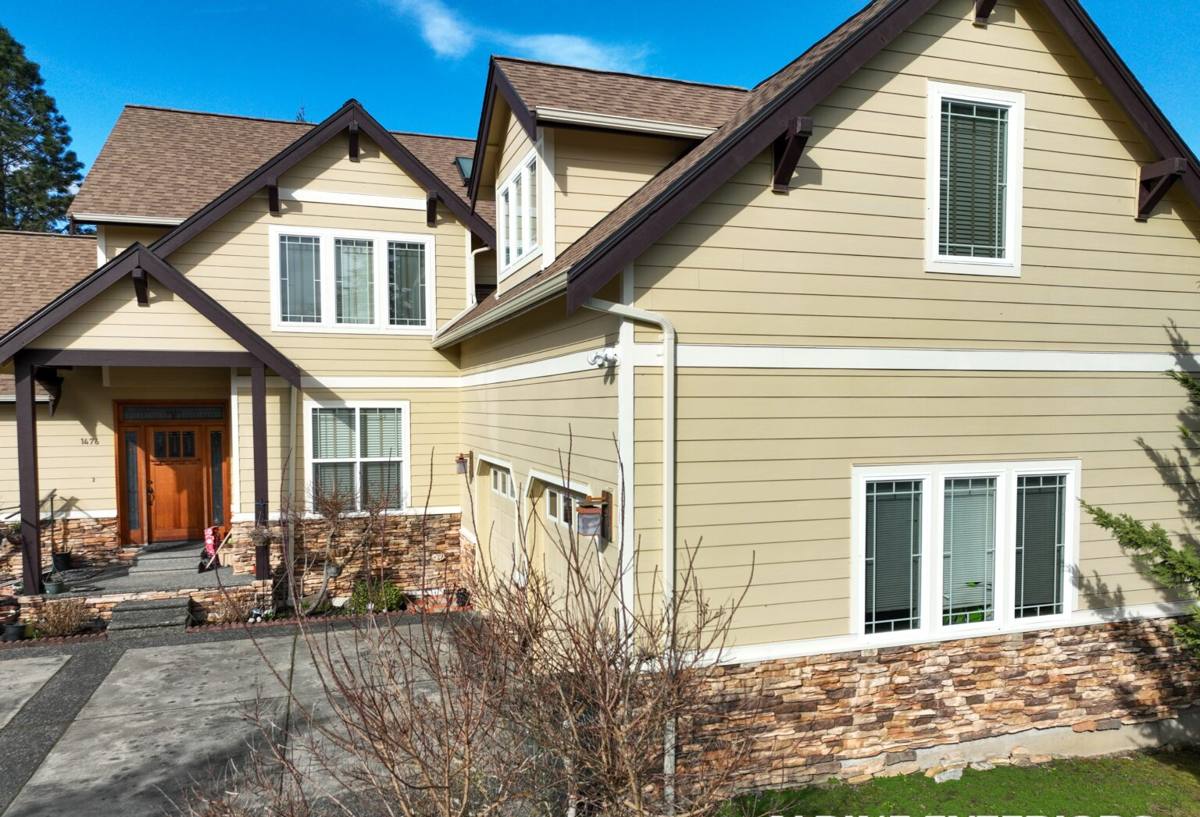
What Salt Air, Driving Rain, and Moss Season Do to a Window Over Time
Salt air
Proximity to the bay means airborne salt settles on exterior surfaces, including window frames and hardware. On aluminum and lower-grade vinyl components, that accelerates corrosion of screws, hinges, and lock mechanisms, and it can dull or pit factory finishes faster than a inland location would see. It's not dramatic — it's slow, cumulative wear that shows up as stiff hardware and chalky or pitted frames a decade or two before you'd expect it elsewhere.
Driving rain
Whatcom County storms frequently come with real wind behind them, which pushes rain sideways into wall assemblies rather than letting it run straight off. That's a different load than a calm-weather rain, and it's exactly the condition that exposes weak flashing details and undersized sealant joints. A window that's watertight in a light drizzle can still leak in a wind-driven event if the flashing and drainage plane weren't built for it. This is the single biggest reason window replacement failures in this area show up as water stains on interior drywall near the top or sides of the window, not as an obvious leak you'd catch during installation.
Moss and sustained moisture
Long stretches of overcast, damp weather let moss and algae establish on any surface that doesn't dry out — sills, trim, and the tops of window frames under overhangs are common spots. Beyond the cosmetic issue, sustained moisture sitting against wood trim or OSB sheathing is what eventually leads to soft, rotted framing around a window opening, which turns a straightforward window swap into a more involved repair.
Signs a Columbia Home's Windows Are Due for Replacement
- Fogging or a visible haze between the panes — the seal on the insulated glass unit has failed and can't be repaired, only replaced
- Sashes that stick, won't stay open, or won't latch fully closed
- Visible gaps at the corners of the frame, or daylight showing around the sash when closed
- Soft or discolored trim and sill material, especially on north- and west-facing windows that catch the worst of the weather
- A noticeable draft or cold spot near the window even with it fully closed
- Moss, algae, or dark streaking building up on the sill or lower frame every wet season no matter how often it's cleaned
- Condensation forming on the inside of the glass regularly, which points to poor seal performance, not just humidity in the house
- Rising heating bills with no other explanation, especially in a home with its original single- or older double-pane windows
What a Correct Window Replacement Actually Involves
The window unit itself is maybe a third of the job. The rest is the details around it that determine whether it stays watertight through a real Whatcom County winter:
Removal and opening inspection
Once the old window is out, the opening gets checked before anything new goes in — sill condition, framing, and any sign of past water intrusion. This is where soft or rotted material gets found. It's better to catch it here than to seal a new window over a problem that's just going to keep working underneath it.
Flashing and drainage
Proper flashing at the head, jambs, and sill directs water that gets past the window back out of the wall assembly rather than letting it pool. Given how much wind-driven rain this area sees, this step is not optional trim work — it's the difference between a window that handles a real storm and one that leaks the first time the wind picks up.
Sealing and insulation
The gap between the new window frame and the rough opening gets sealed and insulated correctly — not just caulked around the outside edge and called done. A gap packed with the wrong material, or left open, is a direct path for drafts and moisture.
Setting, leveling, and hardware check
The window gets shimmed level and plumb so the sash operates smoothly and the seals compress evenly all the way around. A window that's slightly out of square will bind, won't latch tight, and will wear its weatherstripping unevenly — all of which shorten its useful life.
Interior and exterior finish
Trim gets reinstalled or replaced, and exterior caulking gets finished with a bead that can actually shed water rather than trap it against the siding.
Choosing a Frame Material for This Climate
There's no single "best" window material — it's a trade-off between upfront cost, maintenance, and how the material handles sustained damp weather and salt air. Here's how the common options stack up for a Columbia-area home:
| Frame Material | Moisture & Salt Air Handling | Maintenance | Typical Cost Position |
|---|---|---|---|
| Vinyl | Good — won't rot or corrode, handles damp climates well | Low; occasional cleaning | Lower to mid |
| Fiberglass | Very good — dimensionally stable, resists moisture and salt exposure well | Low | Mid to higher |
| Wood (clad exterior) | Interior wood needs the exterior cladding to stay intact; failed seals expose wood to rot risk | Higher — periodic finish and seal checks | Higher |
| Aluminum | Prone to corrosion and pitting from salt air over time; conducts cold, prone to condensation | Moderate | Lower to mid |
For homes close to the bay with direct salt air exposure, we generally steer people away from bare aluminum frames — not because aluminum is a bad material broadly, but because uncoated or lower-grade aluminum hardware and frame components corrode faster in this specific exposure, and that shows up as stuck sashes and worn locks well before the glass itself would ever need attention. Vinyl and fiberglass hold up more consistently without added upkeep, which is why they're what we recommend most often in this neighborhood.
Energy Performance and Condensation in a Wet, Mild Climate
Bellingham's climate isn't about extreme cold — it's about sustained dampness and moderate temperature swings, so the glass package matters as much as the frame. A quality low-E, double-pane (or triple-pane where it makes sense) insulated glass unit cuts heat loss and reduces the interior condensation that shows up on older single-pane or failed-seal windows during cold, damp mornings. If you're seeing condensation on the inside of your glass regularly, that's usually a sign the existing unit's seal has already failed or the glass package is undersized for the conditions — a new, correctly specified unit resolves both the fogging and the condensation issue at once.
How the Process Works for a Columbia Job
- Site visit: we look at each window opening, note framing or sill condition, and talk through what you actually need versus what's optional.
- Straight estimate: a written quote covering material, labor, and any additional work if an opening needs repair before the new window goes in — no surprise add-ons discovered mid-job that weren't flagged up front.
- Scheduling around the weather: we plan install days with the local forecast in mind, since an opening is exposed while the old window is out and the new one is being set. That's a normal part of working in this climate, not a delay tactic.
- Installation: removal, opening inspection, flashing, setting, insulating, and finish work as outlined above.
- Walkthrough: operate every new window with you before we consider the job done — checking latch, smooth operation, and a visual seal check.
Why It Matters That the Crew Already Works in Columbia
A window installer who works Whatcom County regularly already knows what this area's housing stock tends to look like behind the trim, how local siding and sheathing hold up, and what flashing details actually stand up to a wind-driven rain event instead of just passing a dry-day inspection. That's not a marketing point — it changes real decisions on the job, like whether an opening needs extra flashing attention because of its orientation, or whether trim that looks fine on the surface needs a closer look before a new window gets sealed against it. A crew seeing this climate for the first time is guessing at things a local crew already knows from having redone the work that didn't hold up the first time.
Keeping New Windows Performing Through Wet Season
- Rinse sills and lower frames periodically during wet months to keep moss and algae from establishing
- Check exterior caulking once a year for cracking or separation, especially after a hard winter
- Keep gutters and downspouts clear so runoff isn't sheeting down across window heads
- Operate each window a few times through the year, even ones you don't open often, to keep hardware from seizing
- Wipe down hardware near the coast-facing side of the house more often, since that's where salt residue accumulates fastest
None of this is heavy maintenance — it's the same kind of upkeep any exterior feature needs in this climate. The point of doing it correctly the first time is that it cuts that upkeep down to the basics instead of fighting recurring leaks or stuck hardware.
Get a Straight Answer on What Your Windows Need
If you're dealing with foggy glass, stuck sashes, or a draft that's gotten worse over the last few winters, it's worth having someone look at the actual openings rather than guessing from the symptoms. We'll walk your windows with you, tell you plainly what's worth replacing now versus what can wait, and give you a written estimate with no pressure attached. Reach out below for a free estimate.