 Bellingham Siding
 Deck Repair Built for Columbia's Weather, Not a Generic Climate
A deck in Columbia doesn't age the same way a deck in a dry inland town does. Between Bellingham Bay's salt-laden air, months of driving rain, and a moss season that can run from October well into spring, the wood, fasteners, and connections holding a deck together are under near-constant pressure. Most of the damage we find isn't dramatic. It's slow: a soft board here, a rusted screw head there, a railing post that's gone slightly spongy at the base. By the time it's obvious, the deck has usually been quietly failing for a couple of years.
This page is about deck repair specifically for homes in and around the Columbia neighborhood — what actually breaks down out here, what a correct repair looks like, and how we handle it when you call us.
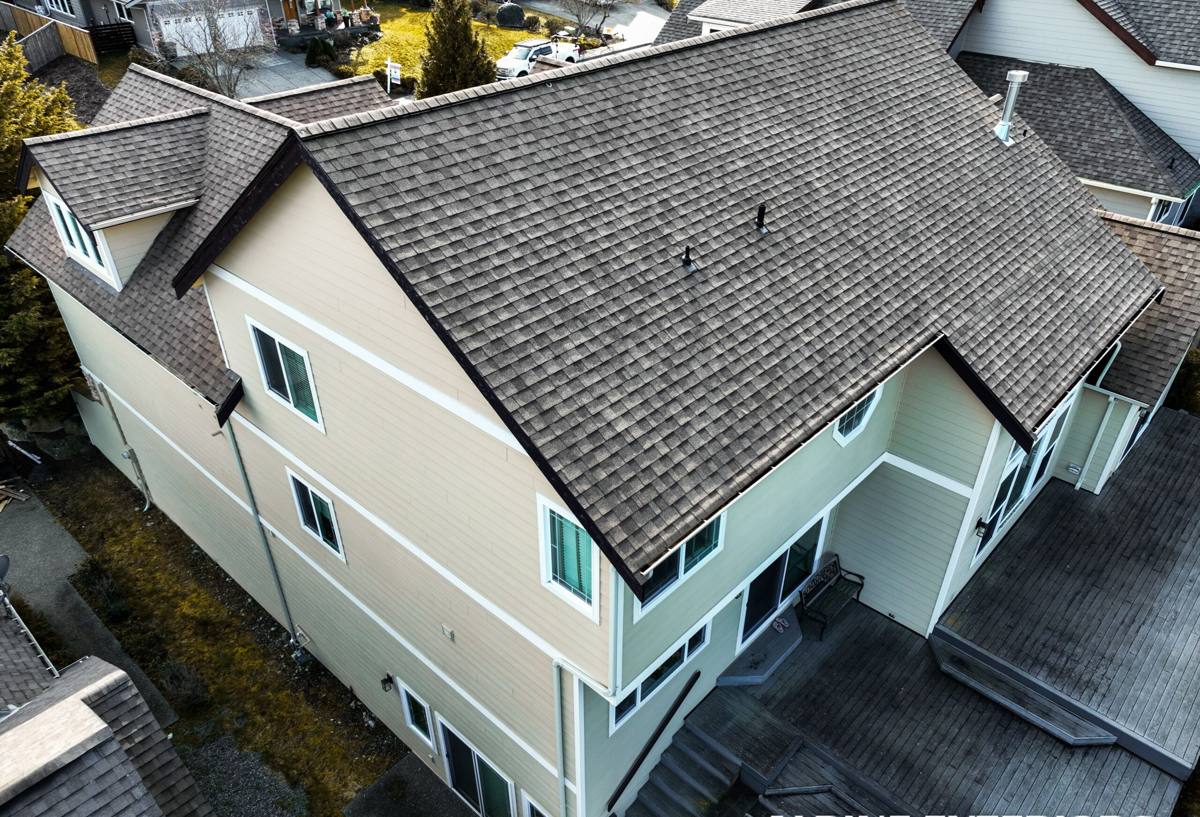
Why Columbia Decks Take a Particular Kind of Beating
Salt Air and Metal Fasteners
Homes throughout Bellingham, Columbia included, sit close enough to Bellingham Bay that salt-tinged air is simply part of exterior maintenance here. It doesn't rot wood on its own, but it accelerates corrosion in the metal that holds a deck together — nails, screws, joist hangers, post bases. Corroded fasteners lose their grip strength long before they look obviously rusted from the surface, which is why a deck can feel stable underfoot right up until it isn't.
Moss Season and Trapped Moisture
Whatcom County's moss season isn't just a cosmetic nuisance. Moss and algae hold water against decking boards, railings, and stair treads far longer than bare wood would otherwise stay wet. That extended moisture window is exactly what wood-decay fungi need to get established. Combined with the driving, sideways rain that this area gets during fall and winter storms — rain that finds its way under flashing and into ledger connections that a straight-down rain never would — you get moisture problems in spots that look fine from a few feet away.
Signs Your Columbia Deck Needs a Closer Look
Most homeowners call us after noticing one of these. If you're seeing more than one at once, it's worth having someone look sooner rather than later.
- Boards that feel spongy, bouncy, or noticeably softer underfoot than the rest of the deck
- Railings or posts that wiggle or flex when you lean on them
- Green or black staining that keeps coming back within weeks of cleaning
- Gaps opening up where the deck attaches to the house (the ledger board)
- Fasteners with rust streaks bleeding down the wood around them
- Stair stringers or the underside of the deck showing dark, discolored wood
- A persistent musty smell near or under the deck after rain
What a Correct Deck Repair Actually Involves
Structural Repairs vs. Cosmetic Fixes
There's a real difference between replacing a few worn surface boards and repairing something structural, and it matters for both safety and cost. Surface boards, stair treads, and railing balusters are cosmetic-to-moderate repairs — they affect how the deck looks and feels but generally aren't holding the structure up. Ledger boards, joists, beams, posts, and footings are structural. Damage here affects whether the deck is actually safe to stand on, and it's not something to patch over or paint past.
Part of our job on every repair call is telling you honestly which category you're in. A soft board is an easy fix. A soft joist under that board is a different conversation, and we'll walk you through it rather than just replacing what's visible and leaving what's underneath.
The Ledger Board and Flashing — Where Most Serious Failures Start
The ledger board is the piece that bolts the deck to the house, and in this climate it's the single most common source of hidden structural damage. If the flashing above it was installed poorly — or wasn't installed at all, which was common in older construction — driving rain works its way behind the ledger over years and rots it from the inside. A deck can look perfectly solid while its ledger connection is quietly failing. Any thorough repair includes checking this connection, not just the boards you can see.
Fastener and Hardware Replacement
Given how hard salt air is on metal here, we don't reuse corroded fasteners or hangers just because the wood around them still looks fine. Replacing hardware with corrosion-resistant, code-rated fasteners rated for treated lumber is a small line item that prevents the exact failure — loosened connections — that causes most of the "why did this suddenly feel unstable" calls we get.
Repair or Replace? How We Actually Decide
Not every deck problem calls for a full rebuild, and not every deck is worth patching indefinitely. The honest answer usually comes down to how much of the structure is affected versus how much is surface-level.
| Condition Found | Usually Repair | Usually Replace |
|---|---|---|
| A few soft or discolored deck boards | Yes — spot replacement | No |
| Wobbly railing, single loose post | Yes — reinforce or replace post | No |
| Soft ledger board or missing flashing | Sometimes, if caught early | Often, if rot has spread |
| Multiple rotted joists or beams | Rarely cost-effective | Yes |
| Undersized or rotted footings/posts | Sometimes | Yes, for safety |
| Deck is 20+ years old with scattered issues | Case by case | Often more economical long-term |
As a rough guide, repair costs for isolated board, railing, or fastener issues tend to run in the low hundreds to low thousands of dollars depending on scope. Once structural framing or footings are involved across a large portion of the deck, a full or partial rebuild often ends up costing less over time than repeated patch repairs — we'll give you real numbers for your specific deck, not a guess.
Decking Material Considerations for This Climate
Wood Decking
Pressure-treated wood remains a solid, budget-friendly choice for repairs and replacement boards, but it only performs well here if it's properly sealed and re-sealed on a schedule. In a climate with this much rain and moss pressure, an unsealed or under-maintained wood deck will show wear faster than the same deck in a drier region. We're upfront about that maintenance commitment rather than glossing over it.
Composite Decking
Composite boards resist moisture absorption and don't need staining, which is appealing given how much rain this area sees. The trade-off is that composite still needs regular cleaning to keep moss and algae from taking hold on the surface, and it's a different repair process than wood — damaged sections typically get replaced board-by-board rather than sanded or patched. We'll talk through which fits your deck, your budget, and how much upkeep you actually want to do.
How Our Repair Process Works
- Full inspection, not just the visible complaint. We check the spot you called about plus the ledger, framing, posts, and fasteners around it, since problems in this climate rarely stay isolated.
- Honest scope and pricing. You get a clear breakdown of what's cosmetic, what's structural, and what your repair-versus-replace options actually cost — no upsell to a full rebuild you don't need.
- Repair the source, not just the symptom. If a ledger is soft because flashing failed, we fix the flashing as part of the repair, not just the board sitting on top of it.
- Hardware matched to the climate. Corrosion-resistant fasteners and connectors throughout, not whatever was cheapest at the time of original construction.
- Cleanup and a walkthrough. We show you what was fixed, what to keep an eye on, and what reasonable maintenance looks like going forward.
Maintenance That Actually Extends the Repair
A repair is only as good as what happens after it. In a moss-heavy, high-rainfall climate like Whatcom County's, a few habits make a real difference in how long your deck stays sound:
- Sweep debris and standing leaves off the deck surface regularly through fall and winter
- Clean moss and algae off boards and stairs at least once a year, before it gets a grip
- Keep gutters and downspouts clear so runoff isn't dumping extra water onto or under the deck
- Reseal or re-stain wood decking on the schedule the product actually calls for, not "when it looks bad"
- Do a quick check of railings and stair treads each spring for anything that's gone soft or loose over winter
Why a Crew That Already Works Columbia Matters
Deck repair isn't one-size-fits-all, and a crew that mostly works drier climates can miss what matters here — the extended moisture exposure from moss, the corrosion pace from salt air, the way driving rain gets behind flashing that would never be a problem somewhere less exposed. A crew already working in Bellingham and Whatcom County has seen these failure patterns repeatedly and knows where to check even when the visible complaint is somewhere else. That familiarity is what keeps a repair from turning into a callback six months later.
If your deck has a soft spot, a wobbly rail, or you just want an honest opinion on whether it's a repair or a replacement situation, we're happy to take a look. Fill out the form below for a free, no-pressure estimate — we'll tell you what we actually find, not just what's easiest to sell.