 Bellingham Siding
 Windows Built for Fairhaven's Weather, Not Just the Catalog Photo
Fairhaven sits close to the water, and that changes what a window has to survive. Homes here take on salt-laden air off Bellingham Bay, wind-driven rain that hits siding and glass sideways instead of straight down, and a long stretch of the year — roughly fall through spring — where moss, moisture, and low sun combine to keep exterior surfaces damp for days at a time. A window that's rated fine for a dry inland climate can still underperform here if the installation doesn't account for what Whatcom County weather actually does to a building envelope.
This page covers energy-efficient window replacement and upgrades specifically for Fairhaven homes — what the climate demands, what a correct installation looks like, and what to ask any contractor before they touch your walls.
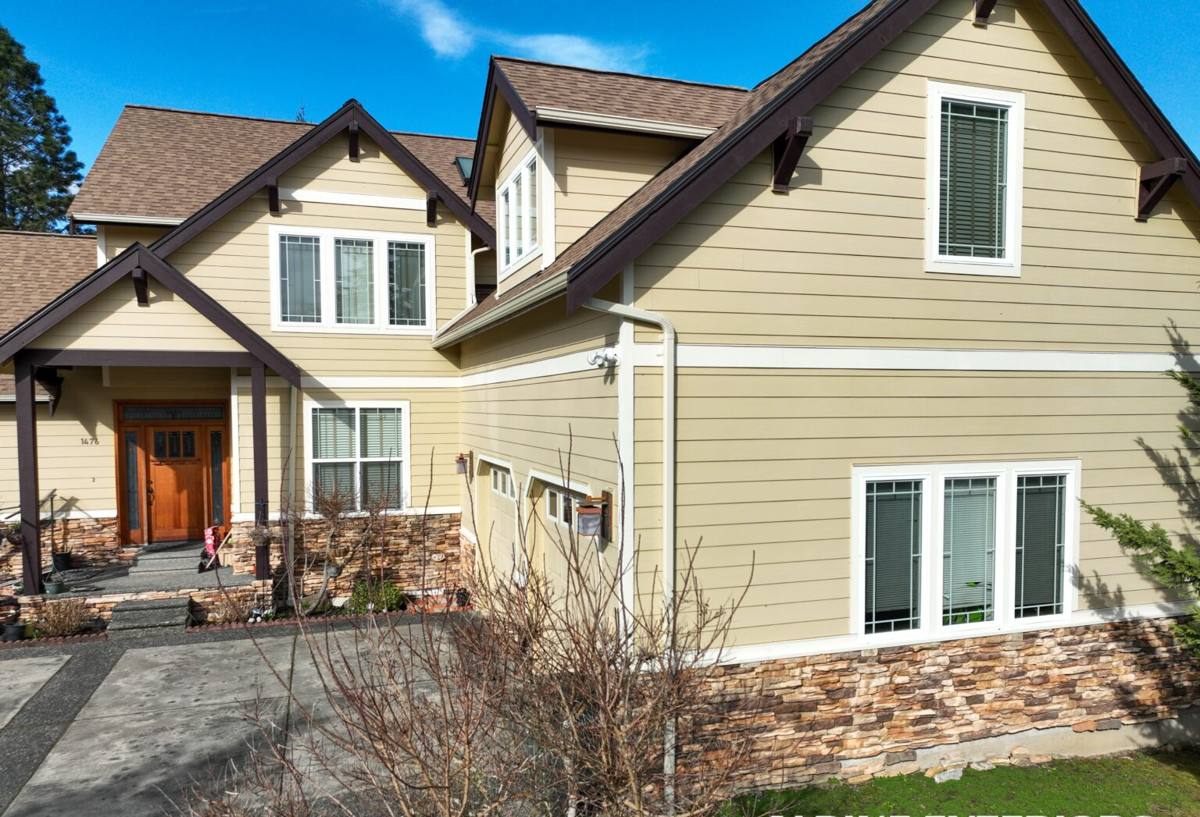
What Salt Air, Driving Rain, and Moss Season Actually Do to Windows
Salt air and hardware corrosion
Proximity to salt water accelerates corrosion on window hardware — hinges, locks, balance mechanisms, and especially lower-grade aluminum or unprotected steel components. Over years, this shows up as stiff or failing locks, cranks that grind, and pitting on exposed metal trim. It's not dramatic, but it's steady, and it's one reason hardware and frame material selection matters more in Fairhaven than it would ten miles inland.
Wind-driven rain and water intrusion
Rain that comes in sideways doesn't just hit the glass — it drives against the entire window assembly, testing the flashing, the sill pan, and the seal between the window unit and the rough opening. Most window failures we see aren't the glass or the frame itself; they're water finding a path around the window because the flashing detail was rushed or skipped. This is the single biggest reason installation quality matters more than brand name.
Moss season and sustained dampness
Bellingham's long damp season keeps north- and shade-facing exterior surfaces wet for extended periods. Around windows, that sustained moisture shows up as moss and algae staining on sills and trim, slow paint failure, and — if water has already gotten behind the trim — soft wood or staining on interior sills and casing. Energy efficiency and moisture management aren't separate issues here; a window that leaks air usually isn't managing water well either.
Signs a Fairhaven Home Needs Window Attention
- Noticeable draft or cold spot near a window even when it's fully closed and locked
- Condensation forming between the panes (not just on the interior surface) — a sign the seal has failed
- Visible moss, black streaking, or persistent staining on sills, trim, or the wall just below a window
- Locks or cranks that are stiff, corroded, or no longer close tight against the weatherstripping
- Soft or discolored wood on the interior sill or casing
- A jump in heating costs without any other obvious cause
- Single-pane or original wood windows with no storm windows, common in older Fairhaven housing stock
Any one of these on its own might not mean full replacement is needed. Several together, especially on the side of the house that takes the worst weather, usually does.
What a Correct Energy-Efficient Window Job Involves
It starts with the opening, not the window
Before any new unit goes in, the rough opening needs to be checked for rot, evaluated for square and level, and prepped with proper flashing — typically a sloped sill pan and correctly lapped flashing tape that sheds water outward and down, not into the wall cavity. Skipping or shortcutting this step is the most common cause of leaks behind new windows, and it's invisible from the outside once the trim goes back on.
Frame material and glazing choice
For a coastal-influenced climate like Fairhaven's, we lean toward frame materials and finishes that resist corrosion and don't require frequent repainting, paired with a glazing package (typically double-pane with low-E coating and an insulated gas fill) that's rated for the wind and moisture exposure of the specific wall it's going into. South- and west-facing openings that take direct weather usually warrant a different spec than a sheltered interior-facing window.
Sealing and weatherproofing details
Interior air sealing (low-expansion foam or backer rod and sealant around the frame) and exterior weather sealing are both part of the job — one keeps conditioned air in, the other keeps wind-driven rain out. Both have to be done, and done with compatible materials, or you end up trading one problem for another.
Installation Quality Checklist
- Rough opening inspected for rot and moisture damage before the new unit goes in
- Sloped sill pan flashing installed, not just tape over the old sill
- Flashing lapped correctly (top piece over the one below, always shedding water down and out)
- Window shimmed square and plumb, not just wedged to fit the opening
- Interior gap sealed with low-expansion foam or backer rod, not overpacked
- Exterior trim and caulking finished with a sealant rated for this climate's exposure
- Hardware and locks tested for smooth operation before the crew leaves
Frame Material Comparison for a Coastal-Influenced Climate
| Frame Material | Corrosion/Moisture Resistance | Maintenance | Typical Trade-Offs |
|---|---|---|---|
| Vinyl | Good — won't rust or rot, handles salt air well | Low | Can't be repainted; color/finish options are fixed at install |
| Fiberglass | Very good — dimensionally stable, resists warping and corrosion | Low to moderate | Higher upfront cost than vinyl |
| Wood (unclad) | Weakest in this climate unless finish is maintained rigorously | High — regular repainting/sealing required | Best traditional look, but highest ongoing maintenance burden near the water |
| Wood-clad (exterior aluminum or vinyl clad) | Good exterior protection, wood interior warmth | Moderate | Clad seams need to be detailed correctly at install or moisture can get trapped behind them |
We don't push one material as universally "best" — we match the material to the wall's actual exposure, the home's style, and the homeowner's appetite for maintenance. A shaded, sheltered opening on the lee side of the house has very different needs than one facing the prevailing wind and rain.
Our Process
- On-site assessment: we look at each window's exposure, condition, and how water and air are currently moving around it — not just measure for a replacement unit.
- Product selection: we walk through frame material, glazing package, and hardware options against your budget and how exposed that specific wall is.
- Opening prep: old window removed, opening inspected for hidden rot or moisture damage, and repaired before anything new goes in.
- Flashing and installation: sill pan and flashing installed correctly, unit shimmed square, sealed inside and out.
- Trim and finish: exterior trim reinstalled or replaced and finished with a sealant suited to sustained damp exposure.
- Final check: hardware operation, seal integrity, and a walk-through so you know what was done and why.
Why Local Experience in Fairhaven Matters
Fairhaven includes some of Bellingham's older housing stock, and older homes here often have original wood window openings, non-standard sizes, or trim details that a crew unfamiliar with the neighborhood might not plan for ahead of time. A crew that's already worked in Fairhaven knows to expect these things going in — original openings that need reframing to fit a standard replacement size, older siding that requires careful trim removal to avoid damage, and the reality that a wall facing the water is going to need a more careful flashing detail than one that's sheltered. That familiarity shows up as fewer surprises mid-job and fewer callbacks after.
It also matters because Whatcom County's damp season is long. A window installed with a shortcut in October may not show a leak until the following winter's first real wind-driven storm — by which point the water damage is already behind the wall. Getting the installation right the first time matters more here than in a drier climate, simply because there's less of a dry window to catch and fix a mistake before it does damage.
Maintaining Energy-Efficient Windows in a Wet Climate
- Clear moss and debris from sills and tracks a couple of times a year, especially after fall leaf drop
- Check exterior caulking annually for cracking or gaps, particularly on weather-facing walls
- Lubricate hardware periodically to slow corrosion from salt air
- Watch for condensation between panes — it signals a failed seal, not just a humidity issue
- Keep gutters and downspouts clear so runoff isn't sheeting down over window heads
None of this requires special equipment or a contractor visit every year — it's mostly about catching small issues (a cracked bead of caulk, a sticky lock) before Bellingham's next wet stretch turns them into bigger ones.
Cost Factors to Expect
Pricing on window projects varies with the number of openings, frame material, glazing upgrade, and how much opening repair is needed once the old unit comes out — a straightforward swap costs meaningfully less than a job where rot repair or reframing is required. Rather than quote a number that won't reflect your actual walls, we'd rather walk your home and give you a real range based on what we find.
If you're weighing whether it's time to replace windows on a Fairhaven home, or just want a second opinion on drafts, condensation, or moss buildup around your existing windows, we're happy to take a look. The estimate is free, there's no pressure to book anything on the spot, and you'll walk away with a clear picture of what your windows actually need — just fill out the form below.