 Bellingham Siding
 Building Decks for Ferndale's Coastal Climate
Ferndale sits close enough to the water that salt air is a real factor in how long a deck lasts, and close enough to the rest of Whatcom County that the same wet, gray stretch from fall through spring applies here too. A deck built the way it would be built in a drier climate does not hold up the same way in Ferndale. The framing, the fasteners, the decking material, and the drainage details all need to account for salt exposure, driving rain that gets pushed sideways into a structure, and a moss season that can run six months or longer. This page covers what that actually means for a deck project, and what a properly built deck looks like when it's done with this climate in mind rather than against it.
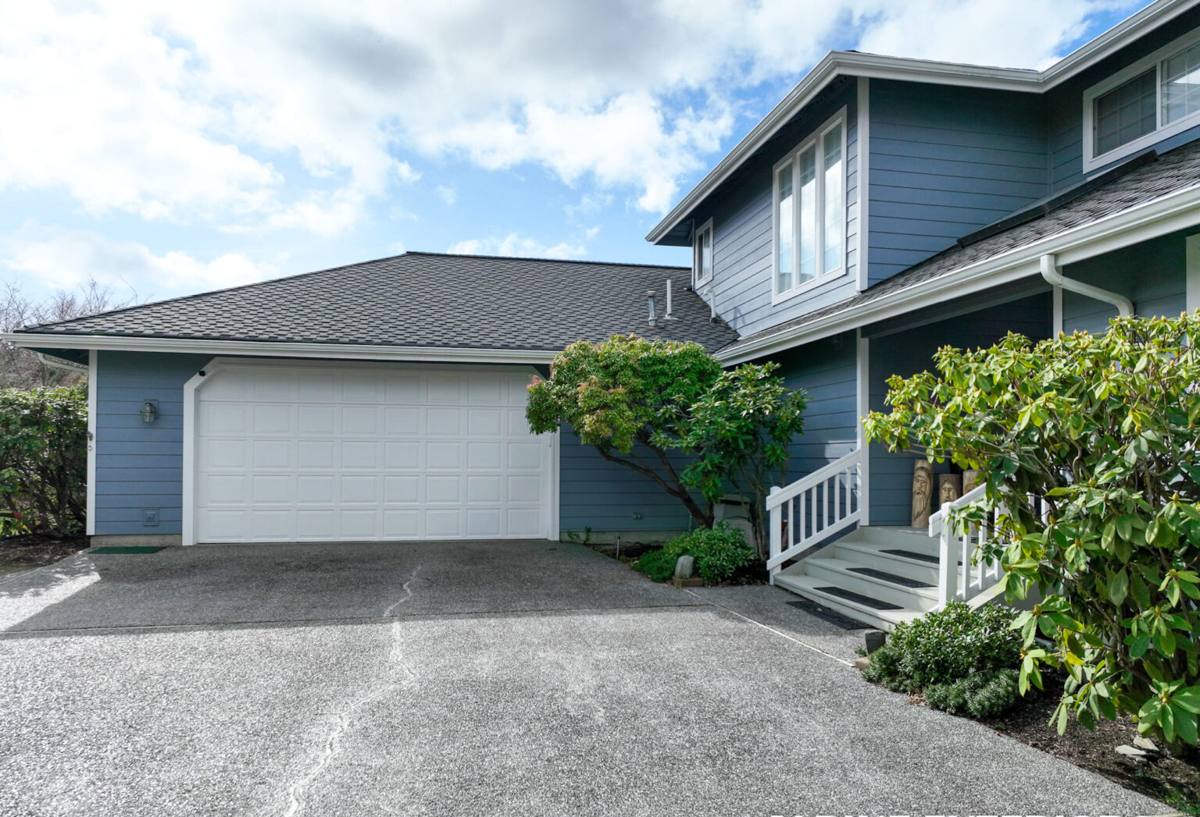
What Ferndale's Weather Does to a Deck
Three things drive most of the deck problems we see in this part of Whatcom County, and they compound each other over time.
Salt Air and Metal Fatigue
Proximity to the water means airborne salt settles on everything outside, including the metal parts of a deck that most people never think about — joist hangers, structural screws, post bases, and railing hardware. Standard galvanized fasteners corrode faster near the coast than the same fasteners would inland. Corrosion at a joist hanger or ledger bolt is a structural issue, not a cosmetic one, because it's the connection holding the deck to the house or to its own frame.
Driving Rain and Water Intrusion
Rain in this region doesn't just fall straight down — wind off the water pushes it sideways, which means it finds its way into gaps that would stay dry in a calmer climate. The places this matters most on a deck are the ledger board connection to the house, any spot where a post or beam sits close to grade, and the gaps between deck boards where water runs through to the framing below. A deck that isn't detailed for driving rain will trap water in exactly the places it's hardest to inspect and hardest to dry out.
Moss, Algae, and Trapped Moisture
Extended damp weather is what moss and algae need to establish themselves, and a deck surface that stays shaded or doesn't drain well becomes a growth surface within a season or two. Beyond the slip hazard, moss and algae hold moisture against the decking material, which shortens the life of wood decking in particular and can stain or degrade the surface finish on composite products if it's left to build up.
What a Correctly Built Deck Actually Involves
A deck is a structure first and a surface second. The parts nobody sees are what determine whether it's still solid in ten or twenty years.
Footings and Framing
Footings need to be sized and set to local frost and load requirements, and posts need to be kept off grade or protected where they meet the ground — that connection point is one of the first places rot starts on a deck that wasn't built with drainage in mind. Framing lumber should be rated for ground contact or exterior exposure as appropriate to its position, not just whatever was on hand.
Ledger Attachment and Flashing
Where a deck attaches to the house is the single most common source of serious water damage on residential decks, because it's a penetration into the house's own wall assembly. Correct practice is mechanical fastening rated for the load, plus flashing that sheds water out and away from the ledger board rather than letting it wick behind the siding. This is also the detail that matters most for a house's existing siding and sheathing — a poorly flashed ledger can cause rot inside the wall long before it's visible from outside.
Decking Surface and Drainage Slope
The deck surface should have a slight slope away from the house so water runs off instead of pooling, and gaps between boards should be sized to let water and debris through rather than trap them. Under-deck drainage systems are worth discussing if the space below will be used as covered living area, since that changes what the framing and waterproofing need to do.
Choosing a Decking Material for This Climate
There's no single "right" decking material — each one comes with a different maintenance commitment and a different way of handling moisture over time. What matters is picking one with eyes open about the trade-offs in a wet, salt-exposed climate.
| Material | How It Handles This Climate | Maintenance | Relative Cost |
|---|---|---|---|
| Pressure-treated wood | Affordable and familiar, but needs regular sealing to resist moisture and moss buildup; end grain and fastener holes are where rot typically starts | Annual cleaning, periodic sealing/staining | Lowest upfront |
| Cedar or other natural wood | Naturally more rot-resistant than framing lumber but still needs a protective finish in this climate to keep its color and resist moss | Regular cleaning and refinishing | Mid-range |
| Composite decking | Doesn't rot, but can be prone to surface moss/algae if not cleaned; quality varies a lot by product line and installation care | Periodic washing, no sealing needed | Mid to upper |
| Capped composite / PVC decking | Best moisture resistance of the group since the outer cap sheds water and resists staining; installation sensitivity to expansion/contraction is higher | Occasional washing | Highest upfront |
Our standard is to walk a homeowner through these trade-offs honestly rather than push a single product. Wood costs less to install but costs time and attention over the years. Capped composite costs more upfront but is the lowest-maintenance option for a deck that sees a lot of shade or salt air. The right call depends on budget, how the deck will be used, and how much upkeep a homeowner actually wants to do.
Hardware and Fasteners: The Detail Most Decks Get Wrong
Given the salt air factor, we treat fastener selection as a structural decision, not an afterthought. Stainless steel or coated fasteners rated for coastal exposure cost more than standard galvanized hardware, but they're the difference between hardware that's still sound in fifteen years and hardware that's rusting through in five. The same applies to joist hangers, post bases, and any structural connector — matching the fastener coating to the connector material also matters, since dissimilar metals can accelerate corrosion at the contact point. Hidden fastener systems for composite and capped composite decking are worth the added cost in this climate because they eliminate the exposed screw heads that are otherwise a recurring maintenance point.
Our Process for a Ferndale Deck Build
- On-site assessment: we look at the site's sun and wind exposure, drainage, grade, and how the deck will connect to the house.
- Design and material selection: we lay out the deck's footprint, structure, and decking/railing material based on how it'll be used and what upkeep the homeowner wants going forward.
- Permitting: deck permits are handled through the applicable Whatcom County or local jurisdiction process before any work starts.
- Footings and framing: footings are set, posts and beams installed, and the ledger connection flashed correctly at the house.
- Decking, railing, and hardware: surface material and railing are installed with coastal-rated fasteners throughout.
- Final walkthrough: we go over drainage, maintenance expectations, and answer questions before calling the job done.
Maintenance: Keeping a Ferndale Deck Ahead of Moss Season
A well-built deck still needs some seasonal attention in this climate. A short list covers most of it:
- Sweep debris off the deck surface regularly, especially in fall when leaves and needles accumulate and trap moisture.
- Wash the surface at least once a year to remove early moss and algae growth before it gets established.
- Check and clear drainage gaps between boards so water isn't pooling anywhere on the surface.
- Inspect the ledger board area and post bases annually for any signs of moisture staining or soft wood.
- Reseal wood decking on the manufacturer's recommended schedule — don't wait until it's visibly gray and dry.
- Look over visible fasteners and hardware for rust streaking, which is an early warning sign near the coast.
Cost Factors for a Ferndale Deck Project
Every deck is different, but the same handful of factors drive most of the cost difference between projects.
| Factor | Why It Affects Cost |
|---|---|
| Size and shape | Larger footprints and multi-level designs require more framing, footings, and labor |
| Decking material | Ranges from pressure-treated wood at the low end to capped composite at the high end |
| Height above grade | Taller decks need more substantial framing, railing, and often stairs |
| Site access and grade | Difficult access or sloped lots add labor time for excavation and material handling |
| Railing and hardware choice | Coastal-rated fasteners and higher-end railing systems cost more than standard hardware |
| Covered vs. open | A covered deck or one with a usable space underneath adds structural and waterproofing requirements |
We give straightforward, itemized estimates so a homeowner can see exactly where the cost is going rather than a single lump figure.
Why a Crew That Already Works Ferndale Matters
A deck built by a crew that already works in Ferndale and the surrounding Whatcom County area isn't guessing about what this climate does to a structure over time — they've seen which fastener choices hold up, which decking materials handle the moss season well, and which flashing details actually keep water out of a ledger connection. That local experience shows up less in what a deck looks like on day one and more in how it holds up on year ten, which is really the point of doing the job right the first time.
If you're planning a new deck or replacing one that's showing its age, we're glad to come take a look and talk through what makes sense for your site and budget. The estimate is free, there's no pressure, and you'll get a straight answer about what your project actually needs — just fill out the form below to get started.