 Bellingham Siding
 Siding That Actually Fits Sudden Valley
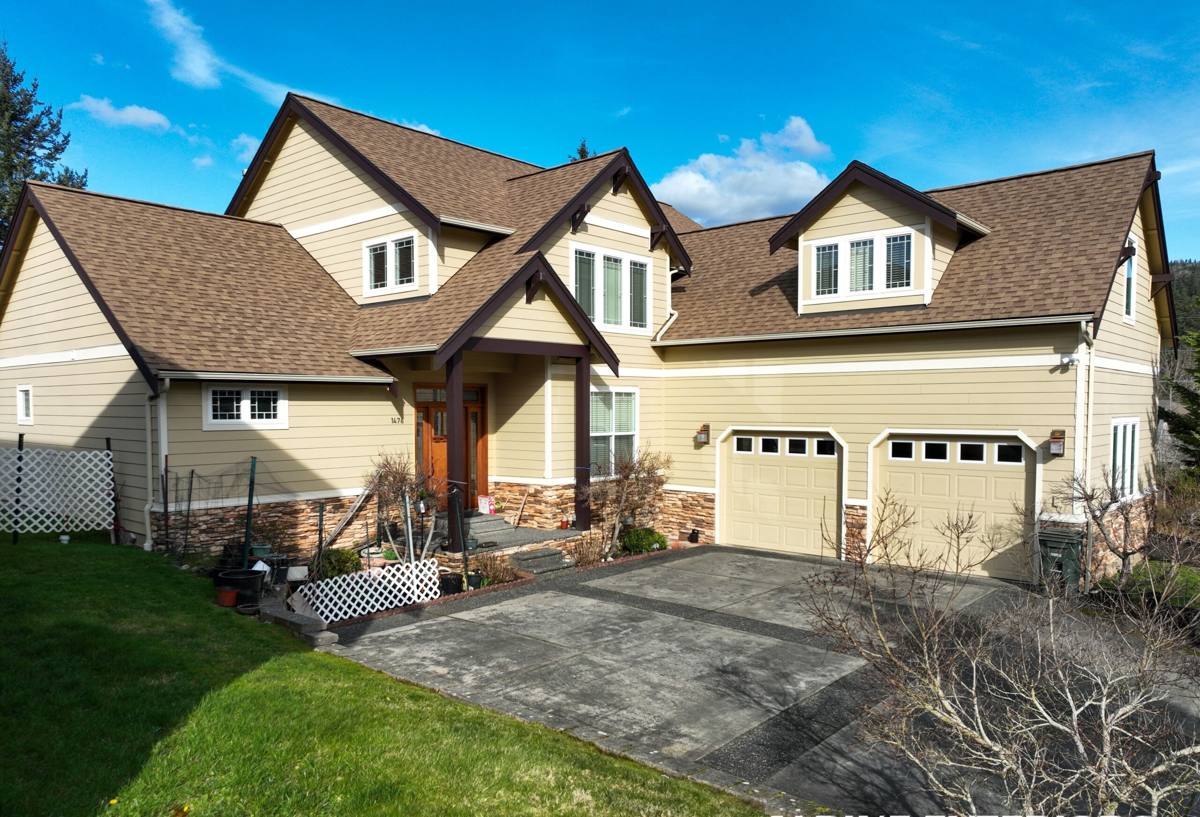
Sudden Valley sits against Lake Whatcom in a heavily wooded pocket of Whatcom County, and that setting creates a siding environment that's noticeably different from a house a few miles away in downtown Bellingham. Tree canopy holds moisture against exterior walls long after a storm has passed. Lake-effect humidity keeps the air damp for stretches of the year. And because so many lots are shaded by fir and cedar, homes here fight moss, algae, and slow-drying siding almost year-round instead of just during the wettest months.
We install fiber cement siding in Sudden Valley on a regular basis, and the homes we see here tend to have the same recurring problems: paint failing early on the shaded north and west walls, soft trim boards near ground level, and siding that never quite gets a chance to dry out between rain events. Any siding product put on a Sudden Valley home needs to handle sustained dampness, not just occasional rain — that's the standard we design every install around.
Why This Climate Is Harder on Siding Than It Looks
Whatcom County as a whole deals with a long wet season, but Sudden Valley's combination of lake proximity and tree cover pushes that further. A few things make this neighborhood a tougher test for exterior materials than an open, sunny lot:
- Slow drying cycles. Shaded walls can stay damp for days after rain stops, which is exactly the condition that lets moss and mildew establish themselves on siding surfaces.
- Constant organic debris. Needles, cones, and leaf litter collect in siding laps and behind trim, holding moisture directly against the wall assembly.
- Humidity off the lake. Even on days without rain, air moving off Lake Whatcom keeps ambient moisture higher than you'd see on a drier, more exposed site.
- Limited direct sun on many lots. Without sun exposure to help dry surfaces, any siding weakness — a bad caulk joint, an unsealed cut end, absorbent trim — turns into a maintenance problem faster than it would elsewhere.
None of this means a house in Sudden Valley is doomed to rot or constant repainting. It means the siding product and the installation details matter more here than they do on a typical in-town lot, because the margin for error is smaller.
Why We Only Install James Hardie Fiber Cement
We standardized on James Hardie fiber cement siding for every home we side, including the ones in Sudden Valley, and we don't install vinyl, engineered wood products like LP SmartSide, or other fiber cement brands. That's not a marketing position — it's a practical one built around what holds up in exactly this kind of damp, shaded, moss-prone environment.
Fiber cement is made from cement, sand, and cellulose fibers, which makes it dimensionally stable and non-combustible. It doesn't absorb water the way engineered wood products can at cut edges or damaged spots, and it doesn't soften or deform under sustained moisture exposure the way some alternatives do. James Hardie's ColorPlus factory-applied finish is baked on under controlled conditions, which gives it better fade and moisture resistance than field-applied paint — a real advantage on shaded walls that would otherwise need repainting more often.
James Hardie also engineers different product lines (HZ5, HZ10) for different climate zones, accounting for freeze-thaw cycles, moisture exposure, and humidity. For a lakeside, tree-covered site like Sudden Valley, that climate-specific engineering is part of the reason the product performs as well as it does over the long term. Combined with a strong transferable warranty when installed to manufacturer spec, it's the product we're comfortable standing behind on homes in this neighborhood.
What a Correct Fiber Cement Install Involves
Fiber cement siding is only as good as the install behind it. Manufacturer specs exist for a reason, and skipping them is where most siding failures — regardless of brand — actually start. On every Sudden Valley project, our install follows the same core sequence:
1. Tear-off and substrate inspection
We remove the old siding and inspect the sheathing underneath for soft spots, water staining, or existing rot — common finds on shaded, moisture-exposed walls. Any damaged sheathing gets replaced before anything new goes up; siding installed over compromised substrate fails no matter how good the material is.
2. Weather-resistive barrier and flashing
A proper water-resistive barrier goes down first, with flashing detailed at every window, door, and roof intersection. In a neighborhood where walls stay damp longer, getting water managed and directed away from the structure at these transition points is one of the most important parts of the whole job.
3. Correct fastening and clearances
James Hardie specifies fastener type, spacing, and placement, along with minimum clearances from grade, roof lines, and decks. We hold to those clearances strictly here, since ground-level moisture and standing dampness near foundations are already a known issue on many Sudden Valley lots.
4. Sealed and primed cut ends
Every field cut gets primed or sealed per manufacturer requirements. An unsealed cut edge is one of the few ways moisture can work its way into fiber cement, so this step doesn't get skipped or rushed.
5. Trim, caulking, and final detailing
Trim boards, corner details, and caulking are finished to manufacturer spec, with attention to any spot where siding meets a different material — the exact joints that fail first when they're rushed.
Where Local Experience Actually Changes the Job
A crew that's never worked a shaded, lakeside lot will approach a Sudden Valley home the same way they'd approach a house on an open, sunny street — and that's a mistake. Working this neighborhood regularly changes a few practical decisions on site:
- We pay closer attention to ventilation and drainage planes on walls that get little to no direct sun, since those walls dry the slowest.
- We flag areas with heavy needle and debris accumulation for the homeowner, since those spots need periodic clearing to keep moisture from sitting against the siding long-term.
- We look harder at ground-level clearance and grading around the foundation, because lake-adjacent lots often have less natural fall for water to drain away.
- We factor moss and algae growth patterns into where we recommend extra caulking or detailing attention, based on which wall orientations actually stay damp longest on tree-covered lots.
These aren't dramatic changes to the install — they're the kind of judgment calls that come from having sided enough homes in this specific setting to know where problems actually start.
Comparing How Materials Handle This Environment
| Factor | James Hardie Fiber Cement | Vinyl | Engineered Wood (e.g. LP SmartSide) |
|---|---|---|---|
| Moisture/rot resistance | Does not rot; resists sustained dampness | Doesn't rot itself, but traps moisture behind panels | Wood-based core can swell or soften if moisture reaches it |
| Moss/algae resistance | Factory finish resists staining and growth | Can host moss/mildew in shaded, damp settings | Coating can wear, exposing substrate to growth |
| Fire resistance | Non-combustible | Can melt/deform under heat exposure | Combustible wood-based product |
| Finish longevity | Factory-baked ColorPlus finish, long fade resistance | Color molded in but can fade/chalk over time | Coating can require earlier touch-up |
| Install sensitivity | Spec-driven, forgiving when done to code | Simpler install, less structural rigidity | Sensitive to unsealed cuts and moisture entry points |
Every product on this table has legitimate uses somewhere. In a shaded, lake-adjacent, moss-prone setting like Sudden Valley, the moisture and finish durability columns are what tend to matter most over a 20-30 year ownership window — which is why fiber cement is what we recommend and install here.
Maintenance Realities for Sudden Valley Homes
Even the right siding product still needs some seasonal attention in this environment. Fiber cement lowers the maintenance burden significantly compared to painted wood, but it isn't zero-maintenance anywhere, and especially not under a tree canopy. A realistic annual routine looks like this:
- Rinse siding surfaces, especially on shaded walls, to clear moss spores and organic buildup before they establish.
- Clear gutters and downspouts of needle debris so water isn't overflowing directly onto siding runs.
- Trim back branches and foliage that keep specific wall sections in constant shade and slow drying.
- Inspect caulking at trim joints, window returns, and corner boards annually, since caulk is the one component that wears out well before the siding itself does.
- Check ground-level clearance yearly to make sure mulch, landscaping, or soil buildup hasn't crept up against the bottom siding course.
Cost Factors Specific to This Job
Every fiber cement estimate is different, but a few things specifically affect cost on Sudden Valley homes more than they would on a typical open lot:
| Cost Factor | Why It Matters Here |
|---|---|
| Substrate condition | Shaded, moisture-prone walls are more likely to need sheathing repair discovered during tear-off |
| Access and tree clearance | Dense tree cover on many lots can require extra care or clearance work for scaffolding and material staging |
| Trim and detail complexity | Homes with more corners, dormers, or transitions need more flashing and cut-end sealing labor |
| Existing moss/algae remediation | Heavily affected walls may need additional prep before new siding and trim go on |
We walk every property in person before quoting, because these factors vary lot to lot even within the same neighborhood.
What to Expect From Our Process
For a Sudden Valley project, our process starts with an on-site walkthrough where we look at existing siding condition, sun exposure by wall, drainage and grading, and any visible moss, staining, or soft spots. From there we put together a written estimate covering material, prep work, and any substrate repair we can identify up front. Once a project starts, we handle tear-off, sheathing repair, weather barrier and flashing installation, and the full Hardie install to manufacturer spec, finishing with trim, caulking, and a final walkthrough with the homeowner.
If you're weighing a siding replacement on a Sudden Valley home and want a straightforward, no-pressure look at what your house actually needs, we're happy to come out, walk the property, and put together a clear estimate — no obligation attached.