 Bellingham Siding
 Why Happy Valley's Climate Is Hard on Windows
Happy Valley sits close enough to Bellingham Bay that salt-laden marine air reaches every window frame in the neighborhood, even on streets shaded by mature trees a good distance from the water. Whatcom County's weather isn't extreme in the way other regions deal with hurricanes or triple-digit heat, but it is relentless. Fall through spring brings long stretches of driving, wind-pushed rain. Humidity rarely lets up for long. And the tree cover that makes Happy Valley's streets so pleasant also means shaded, north-facing walls stay damp for months at a time, which is exactly the environment moss and algae need to take hold.
That combination is harder on windows than most homeowners realize. Wood swells and shrinks through repeated wet-dry cycles. Seals that would hold up for decades in a drier climate fail years early here. Frame materials that look identical in a showroom perform very differently after a few wet Bellingham winters. None of this means a Happy Valley homeowner needs to overspend — it means material choice and installation quality matter more here than in most parts of the country, and a crew that isn't building specifically for this climate is guessing.
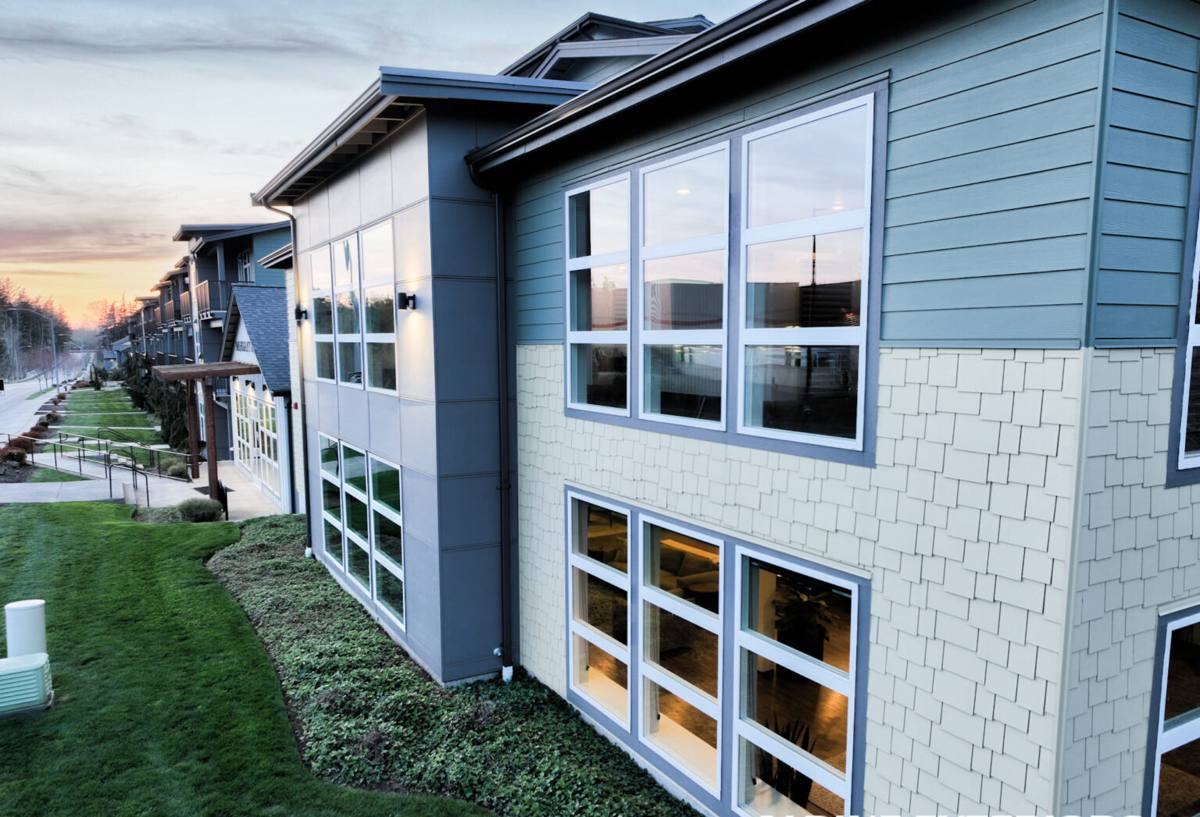
Signs Your Current Windows Are Losing the Fight
Windows fail gradually, and in a wet climate the early signs are easy to write off as normal. Worth paying attention to:
- Fogging or a milky haze between the panes — the seal has failed and moisture is trapped inside the glass unit
- Noticeable drafts near the frame, especially during wind-driven rain
- Soft, discolored, or spongy wood at the sill or lower frame corners
- Paint that keeps peeling or bubbling in the same spot no matter how often it's touched up
- Windows that stick, won't latch fully, or take real effort to open and close
- Moss, algae, or black streaking building up around the frame or trim faster than it did a few years ago
- Interior condensation on the glass or frame through the winter months
Any one of these on its own might just need a repair. Several at once, especially on a window more than 20-25 years old, usually means the unit itself is done and repair is just delaying a replacement that's already needed.
What "Custom" Actually Means for Happy Valley's Housing Mix
Happy Valley has a genuine mix of housing stock — early-1900s bungalows and Craftsman-style homes alongside newer infill and additions. "Custom windows" doesn't mean expensive or elaborate. It means the window is sized, built, and detailed to fit the actual opening and the actual house, rather than forcing a standard stock size into a space it wasn't made for.
Matching Original Openings on Older Homes
Older Happy Valley homes were often built with window openings that don't match today's standard sizes. Forcing a stock-size replacement into one of these openings usually means building out the frame with extra trim or filler material — which is exactly where water tends to find a way in over time. A properly measured custom unit fits the existing rough opening cleanly, which keeps the flashing and sealing detail simple and keeps the home's original proportions and trim lines intact instead of looking patched.
New Construction and Additions
For additions or full replacements where the opening itself is being built new, custom sizing is a chance to get the window right the first time — correct egress sizing for bedrooms, sightlines that match the rest of the house, and glass placement that works with how the room is actually used, rather than settling for whatever size happens to be in stock.
Choosing the Right Frame Material
There's no single "best" window frame material — there's a best fit for a given home, budget, and exposure. In a marine climate like Bellingham's, moisture behavior matters as much as upfront cost.
| Material | Moisture Resistance | Maintenance | Where It Fits Best in Happy Valley |
|---|---|---|---|
| Vinyl | Very good — won't rot, resists salt air well | Low; occasional cleaning | Most homes; strong value and long-term durability |
| Fiberglass | Excellent; very stable through wet-dry cycles | Low | Homes wanting a slimmer sightline or paintable finish, at a higher price point |
| Wood-clad | Good on the exterior clad face; interior wood still needs care | Moderate to high | Historic-style homes where interior wood trim is a priority |
| Aluminum | Prone to condensation and heat loss without thermal breaks | Low | Limited use; we typically steer homeowners toward better-insulating options for this climate |
We won't push a homeowner toward a frame material that fights the local climate just because it's cheaper up front. Our standard is picking the option that will still be performing well in fifteen or twenty years of Bellingham weather, and being upfront about the maintenance trade-offs of each choice before the order goes in.
Glass and Energy Performance for a Marine Climate
Whatcom County doesn't need windows built for intense sun or extreme cold, but it does need windows that manage moisture and hold heat through long, damp winters. A few details matter more here than in a drier climate:
- Double or triple pane with argon fill reduces heat loss and cuts down on interior condensation, which is common on older single-pane windows through Bellingham winters
- Low-E coatings help retain indoor heat without needing to compensate with heavier tinting, since this region doesn't get the harsh direct sun that some coatings are built to block
- Warm-edge spacers between panes reduce the cold spot at the glass edge where condensation and eventual seal failure tend to start first
- Proper U-factor for the region — the number that measures how well the window holds heat — matters more here than solar heat gain, which is a bigger concern in sunnier climates
Good glass package won't fix a poorly installed window, and a great installation can't make up for glass that isn't suited to the climate. Both pieces have to be right.
Installation Details That Actually Prevent Leaks
Most window failures we see in this area aren't glass failures — they're installation failures. The window itself was fine; water found a path around it. Given how much wind-driven rain Happy Valley homes take on through the fall and winter, the installation detail is where a window project actually succeeds or fails.
Flashing and Weather Barriers
Every opening needs a flashing sequence that sheds water down and out, layered correctly with the home's existing weather-resistive barrier — not just caulked and hoped for. This is the single most common shortcut in a rushed installation, and it's the one most likely to cause hidden rot years down the road, usually discovered only when the interior trim or drywall starts showing damage.
Sealing Without Trapping Moisture
It's tempting to seal a window airtight on every side, but a fully sealed frame with no way for incidental moisture to escape can trap water inside the wall assembly, which causes more damage than a small amount of managed moisture ever would. Correct sealing means an airtight interior seal paired with an exterior detail that still allows any moisture that does get in to drain back out.
Our Process, Start to Finish
- On-site assessment — we look at the actual condition of the existing frame, sill, and surrounding wall, not just the glass, since rot or moisture damage often extends past what's visible from inside
- Measuring and material selection — exact opening measurements and a frank conversation about which frame material and glass package fit the home and the budget
- Installation — proper removal of the old unit, inspection of the framing underneath, correct flashing and sealing sequence, and a finish that matches the home's existing trim
- Final walkthrough — every window opened, closed, and checked before we consider the job done
We don't skip the framing inspection step even when a homeowner just wants the glass swapped out, because a new window installed over hidden rot is a problem that resurfaces within a few years, not decades.
What to Ask Before You Hire a Window Contractor
- Are you licensed and insured to work in Washington State, and can you provide proof?
- Will you pull the required permit, or is that left to the homeowner?
- What happens if you find rot or moisture damage once the old window is out?
- What's the warranty on the window itself versus the warranty on your installation labor?
- Can you walk me through the flashing and sealing method you'll use on this specific opening?
- Do you have experience with homes of this age and construction type in this area?
A contractor who answers these clearly and specifically, without vague reassurances, is usually one who's done the work enough times to know exactly what it involves.
Why Local Experience in Happy Valley Matters
A window contractor who mostly works drier inland areas can still do competent work, but they haven't necessarily built the habits this specific climate demands — the extra attention to flashing detail, the frame materials that hold up against salt air and moss growth, the timing decisions around Bellingham's wet season. Crews who work Happy Valley and the surrounding Whatcom County neighborhoods regularly have already seen how different frame materials and installation methods hold up here over years, not just on the day the job wraps up.
That local track record shows up in small decisions — which flashing tape actually stays adhered through a wet winter, which sealants hold up against sustained damp rather than just passing inspection, how to sequence a job around the rain rather than fighting through it. None of it is complicated, but it's the kind of judgment that only comes from doing this work in this exact climate, over and over.
If your windows are drafty, fogged, or just overdue, we're happy to take a look and give you a straightforward assessment — no pressure, no upsell. Fill out the form below for a free estimate on your Happy Valley home.