 Bellingham Siding
 Roof Replacement in Happy Valley: What This Neighborhood Actually Needs
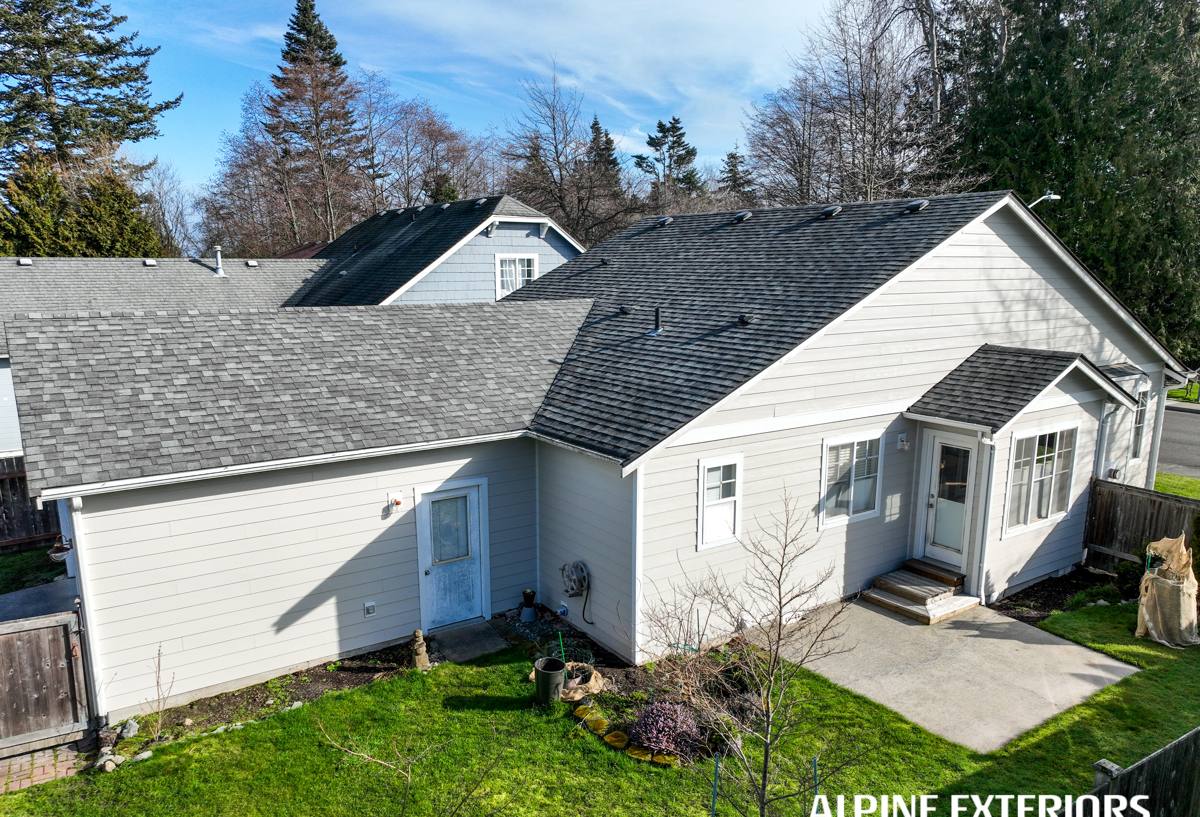
Happy Valley sits close enough to Bellingham Bay and the surrounding hills that its roofs take a specific kind of beating. It's not one dramatic storm that wrecks a roof out here — it's the slow, cumulative grind of salt-laden air moving in off the water, driving rain that comes in sideways during winter systems, and a moss season that can run eight months or longer under the tree cover common in this part of Whatcom County. A roof replacement done right in this neighborhood has to account for all three, not just meet minimum code.
We work in Happy Valley regularly, which matters more than it sounds. A crew that's replaced roofs on this side of Bellingham knows which streets sit in deeper shade and hold moss longer, which lots get more wind-driven rain off the bay, and which older homes in the area were built with roof details that don't match today's ventilation and moisture standards. That local pattern recognition shortens the guesswork on your job.
How Bellingham's Climate Wears Down a Roof
Salt Air and Metal Fasteners
Proximity to Bellingham Bay means airborne salt is a real factor, even a few miles inland. Salt accelerates corrosion on exposed metal — nail heads, flashing edges, gutter fasteners, and any exposed screws on metal roofing or accessories. A roof that looks fine from the ground can have fastener corrosion starting years before it becomes a visible leak. This is one reason we spec corrosion-resistant fastener and flashing materials on Happy Valley jobs rather than treating it as a generic upgrade.
Driving Rain and Wind-Driven Water
Bellingham doesn't get the heaviest rainfall totals in Western Washington, but it gets persistent, wind-pushed rain, especially during fall and winter frontal systems. Wind-driven rain doesn't just fall straight down onto shingles — it gets pushed up and under laps, around penetrations, and into any gap in flashing that a calmer climate might tolerate. Roofs here need tighter underlayment coverage, properly lapped flashing, and sealed penetrations that assume water will attack from more than one angle.
Moss, Shade, and Slow-Drying Roofs
Many Happy Valley lots have mature trees nearby, and even where there isn't direct overhang, the northern latitude and cloud cover mean roofs dry slowly compared to sunnier climates. Moss and algae get a long runway to establish themselves, and once moss takes hold under shingle tabs, it lifts them, holds moisture against the roof deck, and speeds up granule loss. A roof replacement is the right time to address moss-prone areas with better material choice and airflow, not just hope the next roof does better on its own.
What a Correct Roof Replacement Involves
A roof replacement is not just stripping old shingles and nailing down new ones. Done properly, it's a full system replacement, and each layer matters for how the roof handles this specific climate.
- Tear-off and deck inspection: Full removal of old roofing so the deck underneath can actually be inspected for rot, soft spots, or delamination — problems that are invisible until the old material is off.
- Deck repair: Any damaged sheathing gets replaced before anything new goes down. Skipping this is the single most common shortcut that causes early failure.
- Ice-and-water or synthetic underlayment: Full or targeted coverage depending on roof design, with extra attention at eaves, valleys, and low-slope transitions where wind-driven rain is most likely to intrude.
- Flashing replacement: New flashing at all valleys, chimneys, skylights, and wall intersections — corrosion-resistant material given the salt air exposure.
- Ventilation correction: Balanced intake and exhaust ventilation so the attic can dry out between rain events instead of staying damp, which also helps slow moss regrowth from underneath.
- Material installation: Manufacturer-spec nailing patterns, exposure, and fastening — not just "close enough," since under-fastening is a common cause of wind lift in this area's storms.
- Cleanup and final inspection: Magnetic sweep for stray fasteners, gutter check, and a walk-through so you know what was done and why.
Material Choices for This Climate
There's no single "best" roofing material for every Happy Valley home — it depends on your roof's slope, shade exposure, budget, and how long you plan to stay in the house. Here's how the common options actually compare for this specific climate.
| Material | Moss/Algae Resistance | Wind-Driven Rain Performance | Typical Lifespan Here | Maintenance Burden |
|---|---|---|---|---|
| Standard asphalt composition shingle | Moderate — improves with algae-resistant granules | Good with proper underlayment and flashing | 20-25 years | Periodic moss treatment recommended in shaded areas |
| Algae-resistant (copper-granule) shingle | Better long-term resistance to streaking and moss establishment | Good, same install standards apply | 25-30 years | Lower, but not maintenance-free |
| Standing seam metal | Very good — moss struggles to grip smooth metal panels | Excellent when properly fastened and flashed | 40-50+ years | Low; watch fastener condition given salt air |
| Cedar shake | Poor without regular treatment in shaded, damp conditions | Fair — more installation-sensitive in wind-driven rain | 20-30 years with upkeep | High — needs periodic treatment and inspection |
We don't push cedar shake in heavily shaded Happy Valley settings unless a homeowner understands and accepts the maintenance commitment — it's a good-looking product, but its moisture behavior under sustained shade and rain works against it here without diligent upkeep. That's a maintenance and moisture-behavior trade-off, not a knock on the material itself.
Our Process, Start to Finish
1. On-Site Assessment
We walk the roof and attic, not just look from the driveway. We check for existing moss growth patterns, flashing condition, ventilation setup, and any signs of deck moisture — all of which shape the recommendation, not just the shingle color.
2. Written Scope and Estimate
You get a clear, itemized estimate: material, tear-off, deck repair allowance, flashing, ventilation work, and disposal. No vague lump-sum "roof replacement" line item that hides what's actually being done.
3. Scheduling Around Weather
Whatcom County roofing works around real weather windows. We plan tear-off and dry-in carefully so your home isn't left exposed to a system rolling in off the water, and we're upfront if a stretch of forecast rain means adjusting the schedule.
4. The Work Itself
Tear-off, deck inspection and repair, underlayment, flashing, material installation, ventilation correction, and cleanup — in that order, with nothing skipped to save a day.
5. Final Walk-Through
We walk the finished roof with you, explain what was done, and make sure you know what (if any) periodic maintenance — like moss treatment — will keep it performing as designed.
Signs a Happy Valley Roof Needs Replacement, Not Just Repair
- Granules collecting in gutters or at downspout outlets in noticeable amounts
- Moss established under shingle tabs, not just on the surface
- Shingles curling, cupping, or losing their seal at the edges
- Daylight visible through the roof deck from inside the attic
- Recurring leaks in the same area despite prior patch repairs
- Flashing that's visibly rusted, lifted, or separated from the roof plane
- Roof is at or past the manufacturer's expected service life for its material
If you're only seeing one or two of these and the roof is otherwise sound, a targeted repair may still make sense. A replacement becomes the right call when the underlying materials — deck, underlayment, flashing — are compromised broadly enough that patching one area just shifts the problem to the next.
Why a Roof Replacement Is Also an Investment in the Rest of the House
A roof that's failing to shed wind-driven rain or holding moss-trapped moisture doesn't just risk the roof itself — it's often the source of problems homeowners blame on siding, trim, or windows. Water finding its way past a compromised roof edge or flashing detail can travel down into wall assemblies before it ever shows up as a visible interior stain. Getting the roof right, with proper flashing at every wall intersection, protects the rest of the home's exterior systems too.
Why Local Experience in Happy Valley Matters
Roofing standards are the same on paper everywhere, but application isn't. A crew that already knows Happy Valley's shade patterns, its exposure to bay-driven wind and salt air, and the moss pressure specific to this stretch of Bellingham makes fewer assumptions and catches more of the details that matter before they become callbacks. That's the practical value of hiring a crew that already works this neighborhood instead of one commuting in from outside the area for a one-off job.
If you're weighing repair versus replacement, or just want an honest look at where your roof stands, we're happy to come take a look. Use the form below to request a free, no-pressure estimate for your Happy Valley home.