 Bellingham Siding
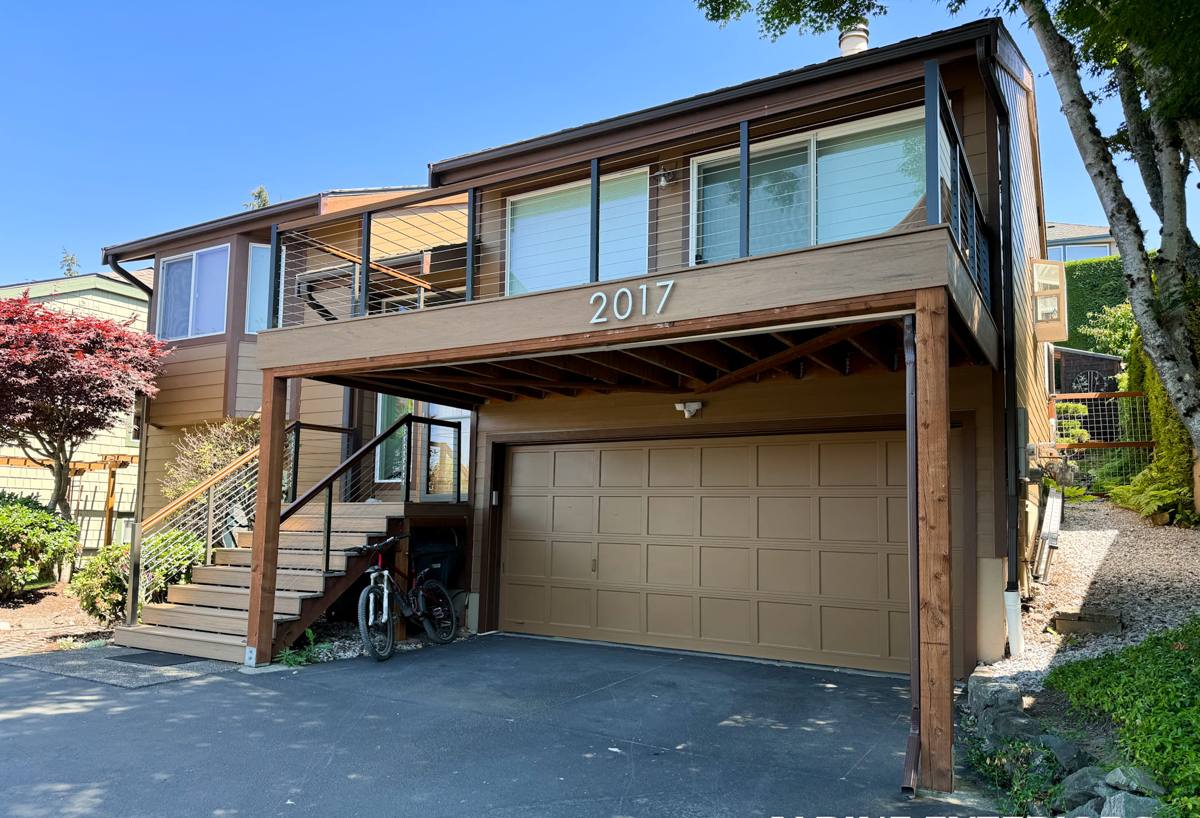
 Siding Installation Built for Happy Valley's Conditions
Happy Valley sits close enough to the water and the tree canopy that its homes take a specific kind of weather beating — salt-tinged air drifting up from Bellingham Bay, driving rain that comes in sideways during winter storms, and long stretches of gray, damp months that keep north-facing walls shaded and slow to dry. Add mature trees on many lots and you get moss season that can stretch from October well into spring. None of that is unusual for Whatcom County, but it does mean siding here has to do more than look good — it has to shed water fast, resist moisture intrusion at every seam, and hold up to organic growth without rotting, swelling, or delaminating underneath.
This page is about one job, done right, in one neighborhood: installing siding on Happy Valley homes so it performs for decades instead of needing attention every few years.
What Happy Valley's Climate Actually Does to Siding
Salt Air and Moisture
Proximity to the bay means a light but steady dose of salt-laden moisture in the air, especially on west- and south-facing exposures. Over years, that accelerates corrosion on unprotected fasteners and trim, and it degrades cheaper coatings faster than manufacturers' lab tests always suggest. Siding material and fastener choice both matter more here than they would fifty miles inland.
Driving Rain
Bellingham's winter storms don't just fall straight down — wind pushes rain horizontally into wall assemblies, which is exactly the scenario a house's water-management system (not just the siding itself) has to handle. If the weather-resistive barrier, flashing, and drainage plane behind the siding aren't installed correctly, driving rain will find the one weak seam and work through it, sometimes for months before anyone notices from inside.
Moss and Organic Growth
Shaded, damp walls under tree cover are prime real estate for moss and algae. On porous or absorbent siding materials, that growth can hold moisture directly against the substrate. On a material that doesn't wick or swell, moss stays a cosmetic issue you wash off — not a structural one.
Temperature Swings and UV
Whatcom County doesn't get extreme heat, but siding still expands and contracts with daily and seasonal temperature shifts. Materials and finishes that aren't engineered for that movement can crack, gap at the seams, or fade unevenly over time — especially on south-facing walls that get more direct sun between rain events.
Why We Only Install James Hardie Fiber Cement
We made a decision early on to install one siding system, not because it's the cheapest option on the shelf, but because it's the one we trust to hold up to exactly the conditions described above without turning into a maintenance project. James Hardie fiber cement is non-combustible, engineered specifically for wet coastal and marine-influenced climates through its HZ5 product line, and finished with a factory-applied ColorPlus coating that's baked on and warrantied against fading and peeling — not painted on-site and left to weather unevenly.
We don't install vinyl, LP SmartSide, Cemplank, Allura, primed spruce, or cedar. Each of those has legitimate uses elsewhere, and we're not going to pretend otherwise — but for Happy Valley's combination of salt air, driving rain, and moss exposure, we've settled on Hardie as the product that lets us stand behind the install for the long haul. It's also backed by a strong transferable warranty, which matters if you ever sell the home.
Quick Comparison: What Matters Most Here
| Factor | Why It Matters in Happy Valley | James Hardie Fiber Cement |
|---|---|---|
| Moisture resistance | Driving rain, salt air, long damp seasons | Doesn't absorb and swell like wood-based products; engineered HZ5 formulation for wet climates |
| Fire resistance | Increasing wildfire smoke and ember exposure regionally | Non-combustible fiber cement |
| Finish durability | UV cycling, salt exposure, temperature swings | Factory-baked ColorPlus finish, warrantied against peeling and fading |
| Organic growth | Moss and algae under tree cover | Cleans off the surface without compromising the substrate |
| Long-term cost | Repainting, patching, replacement cycles | Longer maintenance intervals than wood-based or vinyl alternatives |
What a Correct Siding Installation Actually Involves
Siding failures in this region are rarely about the siding material itself — they're almost always about what happens underneath it. A correct install follows a sequence, and skipping steps is where problems start.
- Tear-off and substrate inspection. Old siding comes off and the sheathing underneath gets checked for rot, soft spots, or prior water damage before anything new goes on.
- Weather-resistive barrier. A continuous, properly lapped water barrier goes over the sheathing — this is the layer that actually stops driving rain from reaching your wall framing if the siding surface ever gets wet.
- Flashing at every penetration. Windows, doors, vents, hose bibs, and any other wall penetration get flashed so water is directed out and down, never trapped behind the siding.
- Drainage plane. A gap or furring strategy that lets any incidental moisture behind the siding drain and dry out instead of sitting against the wall assembly.
- Correct fastening. James Hardie specifies fastener type, spacing, and placement for a reason — over-driven or misplaced nails are one of the most common causes of premature siding problems.
- Proper clearances. Siding held to the manufacturer's minimum clearance from grade, roofing, and decks so it isn't sitting in standing water or trapped moisture.
- Caulking and sealant at seams. Applied where specified — not everywhere, since over-caulking can trap moisture just as easily as under-caulking lets it in.
Every one of those steps is invisible once the job is finished. That's exactly why it matters who's doing the work and not just what material ends up on the wall.
Our Process for a Happy Valley Siding Installation
1. On-Site Assessment
We walk the property, look at existing siding and trim condition, check for moss buildup, moisture staining, or soft sheathing, and note anything specific to the lot — tree cover, sun exposure, drainage patterns — that affects how the job should be sequenced.
2. Straightforward Estimate
You get a written scope and price before any work starts. No pressure, no inflated "today only" pricing tactics.
3. Material Selection
We walk you through James Hardie's plank profiles, panel options, and ColorPlus color choices so the final look fits the home and the neighborhood.
4. Removal and Prep
Old siding comes off, the substrate gets inspected and repaired as needed, and any damage found gets flagged and discussed with you before we cover it back up.
5. Installation to Spec
Weather barrier, flashing, drainage, fastening, and clearances — done to James Hardie's published installation requirements, not shortcuts.
6. Final Walkthrough
We go over the finished job with you, point out anything relevant to future care, and make sure you're satisfied before we call it done.
Why a Crew That Already Works in Happy Valley Matters
Siding installation isn't just a national spec sheet applied identically everywhere. A crew that regularly works this part of Whatcom County has already seen how salt air affects fastener choice on bay-facing homes, how much moss buildup to expect under mature tree cover, and how local moisture patterns tend to expose weak flashing details before they become expensive problems. That familiarity shows up in fewer callbacks, not in anything you'd notice on a spec sheet.
It also means we're accountable locally. If something needs a look after the job is done, we're not driving in from out of the area — we're already working in the neighborhood.
Signs Your Current Siding Is Telling You Something
- Persistent moss or algae that returns quickly after cleaning
- Soft spots, bubbling, or visible warping on wall surfaces
- Paint that's peeling or blistering rather than just fading
- Visible gaps or separation at seams and corners
- Musty smell or moisture staining on interior walls that back up to exterior siding
- Siding that flexes or feels spongy when pressed
- Rising heating bills that suggest air and moisture infiltration
Any one of these on its own isn't necessarily an emergency, but a few together — especially on walls exposed to prevailing weather — are worth having looked at before the next wet season.
What Affects Cost on a Happy Valley Siding Job
| Factor | Why It Moves the Price |
|---|---|
| Home size and wall complexity | More square footage and more corners, gables, or dormers mean more material and labor |
| Substrate condition | Rot or water damage found during tear-off adds repair scope |
| Siding profile chosen | Lap width, panel style, and trim details affect material and labor time |
| Access and site conditions | Tree cover, tight lot lines, or multi-story walls affect scaffolding and staging |
| Color and finish selection | Standard ColorPlus colors versus custom options can shift material cost |
We don't publish a flat per-square-foot number because every one of those factors changes the real cost, and a number that ignores them isn't honest. What you'll get from us instead is a specific, written estimate after we've actually looked at your home.
If your Happy Valley home's siding is showing wear, or you're planning ahead of the next wet season, we're glad to come take a look and walk you through what we'd recommend — no pressure, no obligation. Use the form below to request a free estimate.