 Bellingham Siding
 Why Fairhaven Homes Need Siding That Can Handle the Bay
Fairhaven sits close enough to the water that homes here deal with a different set of stresses than siding a few miles inland in Bellingham proper. Salt-laden air off Bellingham Bay works on fasteners, trim, and paint film year-round. Add Whatcom County's long wet season, driving rain that comes in sideways off the water, and the deep shade many Fairhaven lots have from mature conifers, and you get a wall assembly that stays damp longer than it does almost anywhere else in the county. Moss doesn't need much encouragement in that environment — it needs shade, moisture, and time, and Fairhaven has all three for a good chunk of the year.
None of that makes siding a home in Fairhaven complicated. It just means the material and the installation details matter more here than they would on a dry, sun-exposed lot. That's the lens we bring to every Fairhaven job: what does this specific site's exposure, shade, and drainage actually require.
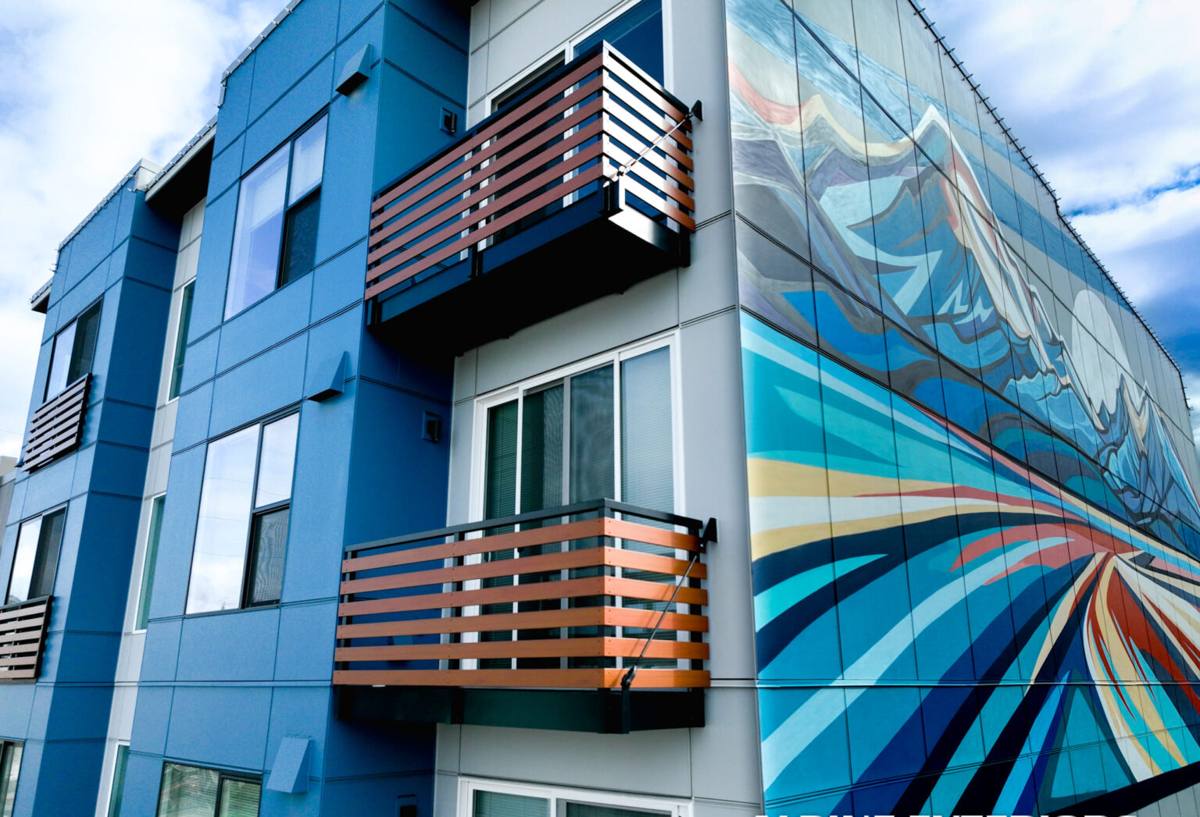
Why We Install James Hardie and Nothing Else
We standardized on James Hardie fiber cement for every siding job we do, including Fairhaven. We don't install vinyl, LP SmartSide, Cemplank, Allura, primed spruce, or cedar. That's a deliberate call, not a marketing line, and it's worth explaining honestly rather than just asserting it.
What the alternatives get right
Vinyl is inexpensive and low-maintenance in dry climates. Wood-based products like LP SmartSide and cedar have a warmth and grain that fiber cement mimics but doesn't fully replicate. Competing fiber cement brands like Cemplank and Allura are reasonable products in their own right. We're not claiming any of these are junk.
Why we still don't put them on Fairhaven homes
- Vinyl expands and contracts with temperature swings and can warp or crack in sustained wind-driven rain; it also doesn't hold paint, so color options are locked in and fade over time.
- Wood-based composite (LP SmartSide) and cedar are organic materials — they're more sensitive to sustained moisture exposure, which is exactly what a shaded, salt-air, high-rainfall site like Fairhaven provides. Maintenance intervals shrink and the margin for installation error shrinks with them.
- Cemplank and Allura are fiber cement, same as Hardie, but we've standardized our crews, flashing details, and warranty process around one manufacturer's engineered product line and factory finish system. Consistency across every job is part of how we guarantee the install.
James Hardie gives us a non-combustible, dimensionally stable material with a factory-applied ColorPlus finish that isn't relying on site-applied paint to hold up against salt air. It's engineered in HZ5 and HZ10 formulations specifically for wetter, colder climates like ours, and it comes with a strong, transferable manufacturer warranty. For a coastal Whatcom County site, that combination is what we're willing to put our name behind.
What "Correct" Looks Like on a Fairhaven Job
Fiber cement siding fails less because of the material and more because of installation shortcuts. On a site with Fairhaven's exposure, these details aren't optional extras — they're the difference between siding that lasts decades and siding that traps moisture behind it.
Drainage plane and rainscreen gap
A weather-resistive barrier alone isn't enough on a home that stays damp for long stretches. We install a drainage gap behind the siding so any moisture that gets past the cladding has somewhere to go and can dry out, instead of sitting against the wall sheathing.
Flashing at every penetration
Windows, doors, deck ledgers, and anywhere trim meets a wall are the places water actually gets in. Correct step flashing, head flashing, and kick-out flashing at roof-wall intersections matter more on a site that gets driving rain off the water than they would somewhere drier.
Fastener and clearance specs
Hardie's warranty is tied to installation per their specifications — proper fastener type and spacing, minimum clearance from grade, decks, and roof lines, and correct gaps at butt joints for caulking or trim. Skipping these doesn't just void warranty coverage; it's usually where the actual failures start.
Factory-finished cut edges
Every field cut needs to be sealed with the appropriate touch-up product. An unsealed cut edge on a home that sees this much rain and humidity is an open door for moisture intrusion, and it's one of the most common shortcuts we see in prior installs we're called to fix.
Dealing with Moss and Shade Long-Term
Moss doesn't grow on the siding material itself so much as on grime, pollen, and organic debris that builds up on a surface that stays damp. Fairhaven's tree cover means some elevations of a home may simply never get direct sun for weeks at a time in winter. There's no siding product that makes moss impossible under those conditions, but a few things reduce how much you deal with:
- ColorPlus factory finish is smoother and more uniform than site-applied paint, giving algae and moss less to grip onto compared to a rougher or inconsistently coated surface.
- Proper drainage and clearance from grade and plantings keeps the bottom courses from sitting in standing moisture, which is usually where moss establishes first.
- Keeping gutters clear and trimming back vegetation that shades and drips onto a wall section goes further than any product choice.
We'll point out these conditions during an estimate if we see them on your property, because it affects how we detail clearances and trim, not just what color you pick.
Our Process for a Fairhaven Install
- On-site assessment. We walk the exterior, check existing siding and sheathing condition where accessible, note shade patterns, drainage issues, and any prior moisture damage.
- Scope and product selection. We confirm HZ5 panel or lap siding and trim selections, and flag any areas needing extra flashing, ventilation, or drainage detail work.
- Tear-off and substrate check. Old siding comes off and we inspect sheathing for rot or soft spots before anything new goes on — this is the point where hidden moisture damage gets found and fixed, not covered up.
- Weather barrier and rainscreen installation. Barrier, flashing, and drainage gap components go in before a single piece of Hardie siding is hung.
- Siding installation to manufacturer spec. Fastener spacing, clearances, and joint treatment follow James Hardie's published installation requirements, which is also what keeps the warranty valid.
- Final detailing and walkthrough. Caulking, touch-up paint on cut edges, trim, and a walkthrough so you know what you're looking at and what maintenance, if any, to expect.
Cost Factors for a Fairhaven Siding Project
Every home is different, but the same variables tend to move the price on jobs in this area:
| Factor | Why It Matters Here |
|---|---|
| Home size and wall complexity | More corners, gables, and dormers mean more cutting, flashing, and labor time |
| Existing siding removal | Tear-off and disposal of old material, and any sheathing repair found underneath |
| Access and site conditions | Sloped lots, mature landscaping, and limited driveway access common in Fairhaven can add setup time |
| Trim and flashing scope | Homes with more window and roof-wall penetrations need more detail work to do it right |
| Siding profile and accessories | Lap vs. panel, trim boards, and soffit work all factor into material cost |
We don't quote a job over the phone — an accurate number requires seeing the actual walls, access, and condition of what's underneath the current siding.
Why Hire a Crew That Already Works Fairhaven
Siding crews that mostly work drier, inland sites can miss details that matter on a coastal, shaded lot — clearance from grade, drainage behind the cladding, flashing at roof-wall transitions. A crew that regularly works Bellingham's coastal neighborhoods brings that judgment to your job without having to learn it on your house. We also stand behind the install itself, separate from the manufacturer's product warranty, because installation quality is the variable most within our control.
What to Ask Any Contractor Before You Sign
- Do you install a drainage gap or rainscreen behind the siding, or just a weather barrier?
- What's your fastener spacing and clearance-from-grade spec, and does it match Hardie's published requirements?
- How do you handle flashing at roof-wall intersections and deck ledgers?
- Are cut edges sealed with manufacturer touch-up product before or during install?
- What does your workmanship warranty cover, separate from the manufacturer's material warranty?
If you're weighing a siding replacement in Fairhaven and want a straight answer about what your home actually needs, we're happy to take a look and put together a free, no-pressure estimate — no obligation either way.