 Bellingham Siding
 Siding That Has to Work in Silver Beach, Not Just Look Good
Silver Beach is one of the older, more established residential pockets in Bellingham, with a mix of mid-century homes and newer infill sitting close to the water. That proximity to water — whether it's the marine air rolling in off Bellingham Bay or the damp, shaded moisture that settles along the Lake Whatcom shoreline — means siding here works harder than siding does inland. Wood-framed walls in this part of Whatcom County spend a good chunk of the year wet, shaded, or both, and that combination is exactly what breaks down siding that isn't built or installed for it.
We install James Hardie fiber cement siding exclusively, and this page is about what that actually means for a Silver Beach home: what the climate demands, what correct installation looks like, and how our process runs from first estimate to final walk-through.
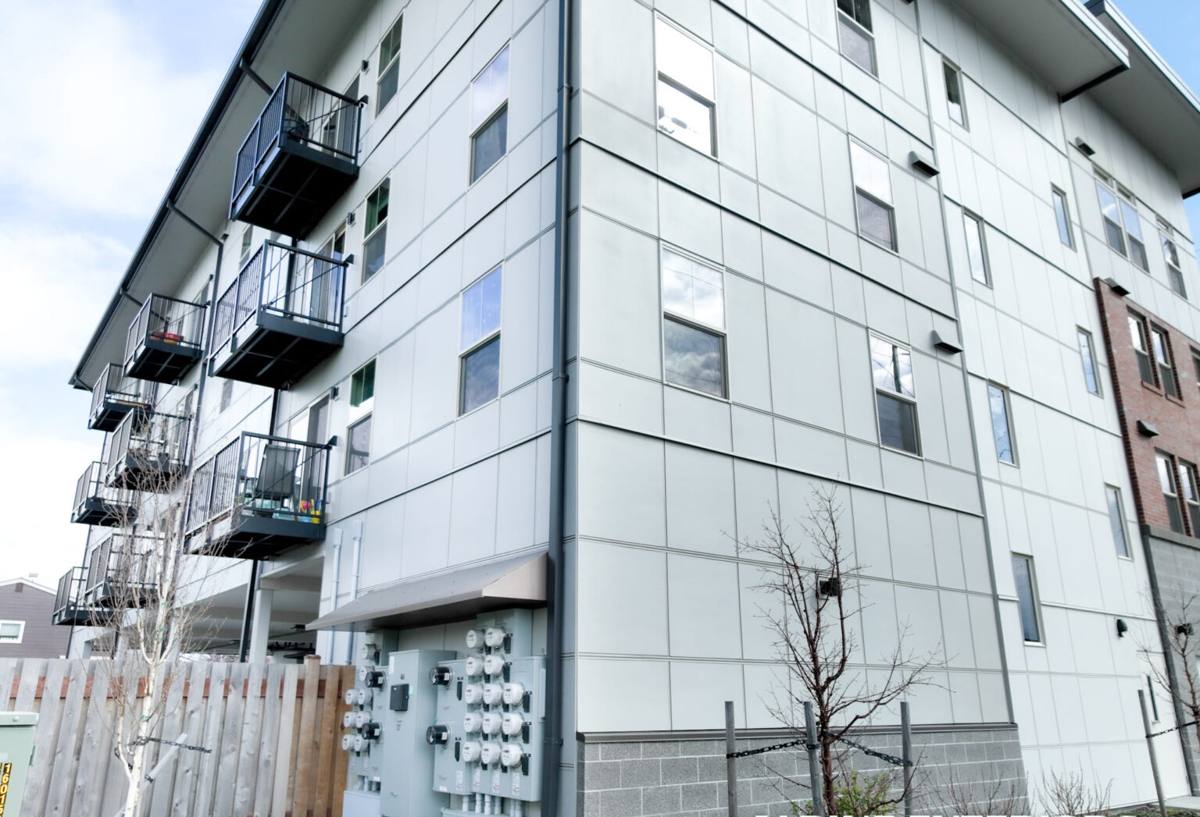
What Silver Beach's Climate Actually Does to Siding
Three things drive most of the siding failures we see in this neighborhood and the surrounding Bellingham area:
- Driving rain. Whatcom County storms often come in sideways off the water, which pushes moisture into laps, seams, and butt joints that would stay dry in a calmer climate.
- A long moss and algae season. Shade from mature trees, low winter sun angles, and near-constant dampness from roughly October through April give moss and algae months to establish themselves on any siding surface that holds moisture at the face.
- Extended dry-out time. Homes near the water tend to get less direct afternoon sun and more shade, so once siding gets wet, it stays wet longer than it would on a south-facing lot inland. Materials that absorb water — or that trap it behind them — pay for that every cycle.
None of this is unique to Silver Beach specifically, but it's more pronounced here than in drier, more exposed parts of Bellingham. It's also exactly the environment James Hardie's siding lines were engineered around.
Why We Install James Hardie and Nothing Else
We made a decision a while back to standardize on one siding system rather than carry several product lines and let price shop the job. James Hardie fiber cement is what we chose, for a few specific reasons that matter in this climate:
- It doesn't rot. Fiber cement is cement, sand, and cellulose fiber — there's no wood fiber for moisture to feed decay in, unlike engineered wood siding products.
- It's non-combustible. That matters more every year in Washington, including for insurance conversations.
- The factory finish holds up. ColorPlus finishes are baked on in a controlled environment rather than field-applied, which gives a more consistent, longer-lasting bond than most site-painted siding.
- It's engineered for this exact climate. James Hardie makes climate-specific HZ product lines, and the Pacific Northwest falls under their HZ5 engineering — moisture and freeze-cycle behavior is built into the product spec, not left to chance.
- The warranty is real and transferable. That protects the homeowner, not just the installer, and it survives a home sale.
We won't install LP SmartSide, vinyl, Cemplank, Allura, or bare cedar or primed spruce, even when a homeowner asks for it by name. Every one of those has a reasonable use case somewhere — but not on a wall we're putting our name behind in a climate this wet. We'd rather say no to that work than warranty something we don't trust here.
What Correct Installation Actually Involves
James Hardie siding is only as good as the wall assembly behind it. Most siding failures we get called out to inspect in Bellingham aren't product failures — they're installation shortcuts. In a climate like Silver Beach's, a few details are non-negotiable:
Drainage plane and rainscreen gap
A proper weather-resistive barrier goes behind the siding, and in high-exposure areas a rainscreen gap (a small air space between the barrier and the siding) lets any moisture that does get behind the cladding drain and dry out instead of sitting against the sheathing.
Flashing at every penetration
Windows, doors, vents, hose bibs, light fixtures — every penetration through the siding is a spot water can enter. Correct flashing, installed in the right order relative to the weather barrier, is what actually keeps water out. This is the single most common shortcut we find on older installs in this area.
Fastening and clearances to Hardie's own spec
James Hardie publishes exact fastener spacing, nailing patterns, and minimum clearances (ground, roofline, deck surfaces) for every climate zone. Installing outside that spec — even slightly — can void the manufacturer's warranty, regardless of who put it up.
Caulking and joint treatment done right, not just done
Butt joints and trim transitions need the correct sealant, applied to the correct surfaces, not just a bead run down every seam. Over-caulking can trap moisture as easily as under-caulking lets it in.
Product Lines That Make Sense for Silver Beach Homes
Not every James Hardie profile fits every house, and part of our job on the first visit is matching the product line to the home's exposure and style. Here's how the main options generally compare:
| Product | Best fit | Notes for this climate |
|---|---|---|
| HardiePlank lap siding | Most traditional and mid-century Silver Beach homes | Widest color and texture range; handles driving rain well when lapped and flashed correctly |
| HardiePanel vertical siding | Modern builds, accent walls, gable ends | Fewer horizontal laps means fewer water-entry points on exposed elevations |
| HardieShingle | Homes wanting a cedar-shake look without the maintenance | Gives the shingle aesthetic without the moisture absorption of real wood shakes |
| HardieTrim boards | Corners, window and door surrounds, fascia | Pairs with any of the above; keeps trim from being the weak point in the system |
Our Process on a Silver Beach Project
The steps don't change much house to house, but the pace of each one does depend on the home's condition and exposure:
- On-site assessment. We look at the current siding's failure pattern, the wall assembly underneath where accessible, moss and algae staining, and the home's actual exposure to wind-driven rain.
- Scope and product selection. We walk through which Hardie profile and ColorPlus color fits the home, and give a written scope covering tear-off, any sheathing repair, weather barrier, flashing, and the siding install itself.
- Sheathing and moisture check. Once the old siding is off, we inspect the sheathing for rot or hidden water damage before anything new goes on — this is where problems that caused the original failure usually show up.
- Weather barrier, rainscreen, and flashing. This is the part that determines whether the siding lasts 10 years or 40, and it's the part that's invisible once the job is done.
- Hardie installation to spec. Fastened, spaced, and caulked per James Hardie's published requirements for our climate zone.
- Final walk-through. We go over the finished work with the homeowner, including basic care and what warranty coverage applies.
What Drives Cost on a Job Like This
We don't publish blanket pricing because the same square footage can cost very differently depending on what's underneath the old siding, but these are the real variables:
| Factor | Why it matters |
|---|---|
| Sheathing condition | Rot found once the old siding comes off adds repair scope before new siding can go on |
| Number of penetrations | More windows, vents, and fixtures means more flashing detail and labor time |
| Wall height and access | Multi-story or steep-lot homes near the water often need more staging and scaffolding |
| Product line selection | Lap, panel, shingle, and trim carry different material costs |
| Existing siding removal | Tear-off complexity varies with what's currently on the wall |
Maintenance and What the Warranty Actually Covers
One of the appeals of James Hardie in a climate like this is how little upkeep it asks for compared to wood-based sidings. It doesn't need repainting on the same schedule real wood or primed spruce does, and it won't rot or delaminate the way engineered wood siding can if moisture gets behind it. That said, "low maintenance" isn't "no maintenance":
- Rinse the siding annually to keep moss and algae from establishing, especially on shaded north- and west-facing walls.
- Keep gutters clear so water isn't sheeting down the siding face during heavy rain.
- Trim back vegetation and tree cover that keeps a wall section shaded and damp longer than it needs to be.
- Have caulked joints and trim checked periodically — sealant is the one component that ages faster than the siding itself.
James Hardie backs its products with a manufacturer warranty that's transferable to a new owner if the home sells, and the ColorPlus finish carries its own separate finish warranty. Both depend on installation meeting Hardie's published specifications, which is why the installation details above aren't optional extras — they're what keeps the warranty valid if you ever need it.
What to Check Before Hiring Anyone for This Work
Silver Beach's exposure means a mediocre siding job shows its problems faster than it would somewhere drier. Before hiring a contractor for a James Hardie install here, it's worth asking:
- Are they a James Hardie certified or preferred contractor, or can they show manufacturer training specific to fiber cement?
- Will they show you the weather barrier and flashing detail before it's covered by siding, or only the finished product?
- Do they follow Hardie's published fastening and clearance specs, and can they explain what those are for your specific elevation?
- What's included in their written scope if sheathing rot turns up once the old siding comes off?
- Does their warranty language match what James Hardie actually offers, or is it vaguer than the manufacturer's own terms?
A crew that already works in Bellingham's wetter neighborhoods will have answers to all of these without hesitation, because they're dealing with the same driving rain and moss season on every job, not just yours.
Get a Straight Answer on Your Home
If your Silver Beach home's siding is showing moss staining, soft spots, or paint that won't hold anymore, it's worth a look before another wet season adds to the damage. We'll walk the exterior with you, tell you honestly what we see, and put together a written estimate for a James Hardie system built for this climate — no pressure, no obligation. The form below gets you on our schedule.