 Bellingham Siding
 Window Installation Built for Puget's Weather, Not Just the Opening
Puget sits close enough to the water that its homes take a different kind of weather beating than houses further inland in Whatcom County. Salt-tinged air, wind-driven rain that hits windows sideways instead of straight down, and a moss season that runs long and wet all work on window frames, sills, and the wall assembly behind them year after year. A window installation crew that treats every job the same, regardless of exposure, is setting a homeowner up for callbacks. This page is about what window installation actually requires in Puget specifically, and why the details matter more here than they would in a drier, more sheltered part of the state.
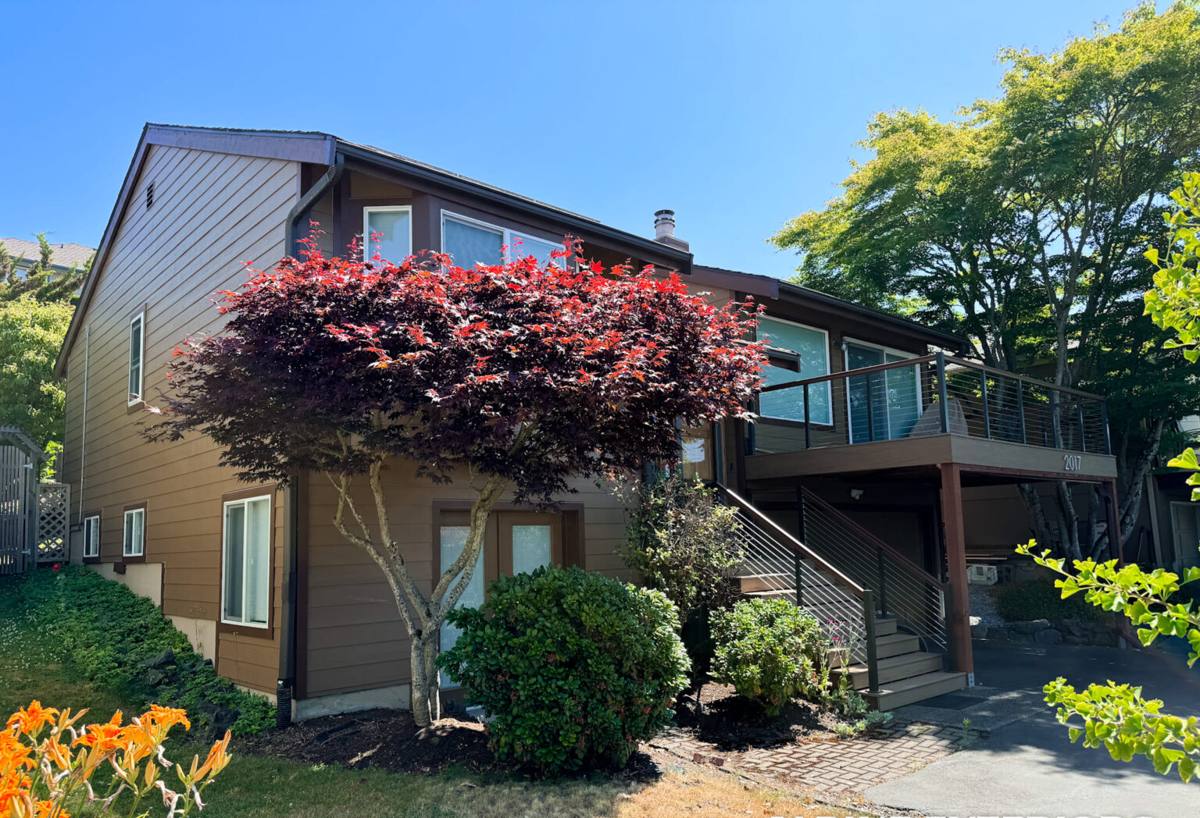
What Bellingham's Climate Does to Windows Over Time
Three things drive most of the window problems we see on service calls in this area, and they compound each other.
Salt Air and Metal Fatigue
Proximity to Bellingham Bay means airborne salt settles on everything, including window hardware. Cheap or poorly coated fasteners, hinges, and locking mechanisms corrode faster here than they would fifty miles inland. Corrosion doesn't just look bad — a corroded lock or hinge stops sealing tight, and that's when air and water start finding their way in.
Driving Rain and Water Intrusion
Bellingham's rain rarely falls straight down. Wind off the water pushes it sideways, which means it hits window frames and trim at an angle most manufacturers don't design their standard flashing details around. If the flashing, sill pan, and weather barrier aren't installed correctly, wind-driven rain finds the smallest gap and works its way into the wall cavity — often invisibly, for months, before it shows up as soft trim or a stain on interior drywall.
Moss, Moisture, and Wood Rot
Whatcom County's long wet season keeps humidity high around exterior trim and sills for much of the year, which is exactly what moss and mildew need to take hold. Wood trim and sills that stay damp longer than they should soften and rot from the inside, often before the surface paint shows any obvious sign of trouble. This is one of the most common reasons we get called out to look at windows that are only ten or fifteen years old.
Signs a Puget Home's Windows Need Attention
Most homeowners don't think about their windows until something goes wrong, but a lot of the early warning signs are easy to catch if you know what to look for.
- Fogging or a permanent haze between the panes of a double-pane window — the seal has failed and the gas fill is gone
- Soft, spongy, or discolored wood at the sill or bottom corners of the frame
- Visible moss or dark streaking on the exterior trim around a window
- Drafts you can feel near a closed window on a windy day
- Difficulty opening, closing, or locking a window that used to operate smoothly
- Condensation forming on the inside of the glass regularly, even in mild weather
- Paint that's peeling or bubbling specifically around the window frame, not the rest of the siding
What a Correct Window Installation Actually Involves
Setting a new window into an opening is the easy part. Doing the water management right around it is what separates an installation that lasts from one that fails quietly behind the trim.
Flashing and Water Management
Every window opening needs a sill pan to catch and direct any water that gets past the window itself, plus properly lapped flashing tape integrated with the home's weather-resistive barrier — installed shingle-style, top piece over bottom, so water is always directed outward and down. Given how often wind-driven rain hits window trim in this area, this step isn't optional or cosmetic. It's the difference between a window that stays dry inside the wall and one that slowly rots the framing around it.
Air Sealing and Insulation
The gap between the window frame and the rough opening needs to be sealed with a low-expansion foam or backer rod and sealant, not stuffed with loose fiberglass. Loose insulation in that gap does very little to stop air movement and nothing to stop bulk water. A tight, correctly sealed gap also matters directly for energy bills, since an unsealed window gap is a straight path for conditioned air to leak out.
Trim and Exterior Finish Work
Once the window is set and sealed, the exterior trim needs to be reinstalled or replaced with material that can handle sustained moisture exposure, then caulked and painted or finished correctly at every joint. This is the layer most exposed to salt air and rain, so corners get cut here more than anywhere else on a rushed job — and it's usually the first place problems show up again.
Choosing Window Materials for a Coastal Whatcom County Home
There's no single "best" window material for every home, but some frame materials hold up better than others in Puget's specific combination of salt air, rain, and long wet stretches.
| Frame Material | How It Handles Local Conditions | Maintenance |
|---|---|---|
| Vinyl | Doesn't rust or rot; handles moisture well; can expand/contract with temperature swings | Low — occasional cleaning |
| Fiberglass | Very stable in wet, coastal air; strong resistance to warping and corrosion | Low |
| Aluminum | Durable but conducts cold and can corrode faster near salt air without a quality finish | Moderate |
| Wood / Wood-Clad | Attractive but needs consistent upkeep to resist rot in a long wet season | High — regular painting/sealing |
We're upfront with Puget homeowners that solid wood windows, while classic-looking, carry a real maintenance burden in this climate — the wet season here is long enough that gaps in upkeep show up as rot faster than they would in a drier region. Vinyl and fiberglass frames tend to be the more forgiving, lower-maintenance choice for full sun-to-storm exposure near the water, which is why we lean toward recommending them for most Puget installations.
Our Window Installation Process
The process is straightforward, but the order and care at each step is what makes it hold up.
- Assessment: We look at the existing window, the surrounding trim, and the wall assembly to understand what condition things are actually in before quoting anything.
- Removal: The old window comes out carefully to avoid unnecessary damage to the rough opening, and we check the framing underneath for rot or moisture damage while it's exposed.
- Prep and repair: Any soft or damaged framing gets addressed before a new window ever goes in — installing a new window over a compromised opening just hides the problem.
- Sill pan and flashing: Water management goes in first, integrated correctly with the existing weather barrier.
- Setting the window: The unit is leveled, shimmed, and fastened per manufacturer spec, then the gap is sealed with the right materials.
- Exterior finish: Trim goes back on, joints get caulked, and everything is finished to shed water the way it's supposed to.
- Final check: We test operation, locks, and seals before calling the job done.
Cost Factors for Window Installation in Bellingham
Every home is different, so we don't quote sight-unseen, but the main factors that move the price on a Puget-area installation are consistent.
| Factor | Why It Matters |
|---|---|
| Number of windows | Per-window cost generally drops with larger projects due to shared setup and labor |
| Frame material | Fiberglass and higher-end vinyl typically cost more upfront than basic vinyl, but often need less upkeep |
| Existing rot or damage | Framing repair found during removal adds labor and material beyond the window itself |
| Window size and type | Larger units, custom shapes, or operable styles like casements cost more than standard sliders |
| Trim and siding condition | Matching or replacing surrounding trim and siding affects total scope |
| Access and height | Second-story or hard-to-reach windows take more time and equipment |
As a broad range, homeowners in this area typically see window installation costs run from a few hundred dollars per window for straightforward replacements up into the low thousands per window for larger, higher-end, or more complex installs. The only way to get a real number is to have someone look at the actual windows and openings.
Why a Crew That Already Works Puget Matters
A contractor who works this specific area regularly already knows how the wind and rain typically hit homes here, which sides of a house tend to take the worst of it, and what condition trim and framing tends to be in on homes of a given age near the water. That's not something you get from a general installation checklist — it comes from having done the work here before. It also means we're not guessing at flashing details or material choices; we're applying what consistently holds up against Bellingham's salt air, driving rain, and moss season, because we've seen what doesn't.
If your windows are showing any of the signs above, or you're just planning ahead, we're happy to take a look and give you a straight, no-pressure estimate. There's no obligation — just an honest assessment of what your home actually needs. Use the form below to get started.