 Bellingham Siding
 Deck Replacement Built for the Silver Beach Microclimate
Silver Beach sits close to Lake Whatcom, tucked under a lot of mature tree cover on lots that slope toward the water. That combination is beautiful to live in and hard on a deck. Homes here get less direct sun than open lots elsewhere in Bellingham, more standing humidity off the lake, and a steady rain of needles, leaves, and pollen that settles into deck boards and stays wet for days at a time. Add Whatcom County's long wet season and you have conditions that age a deck faster than the same structure would age on a drier, sunnier lot across town.
We replace decks all over Bellingham, but Silver Beach jobs get planned a little differently. Shade patterns, slope, and lake-adjacent moisture change what materials, drainage details, and framing choices actually hold up. This page walks through what that means in practice — for your deck specifically, not decks in general.
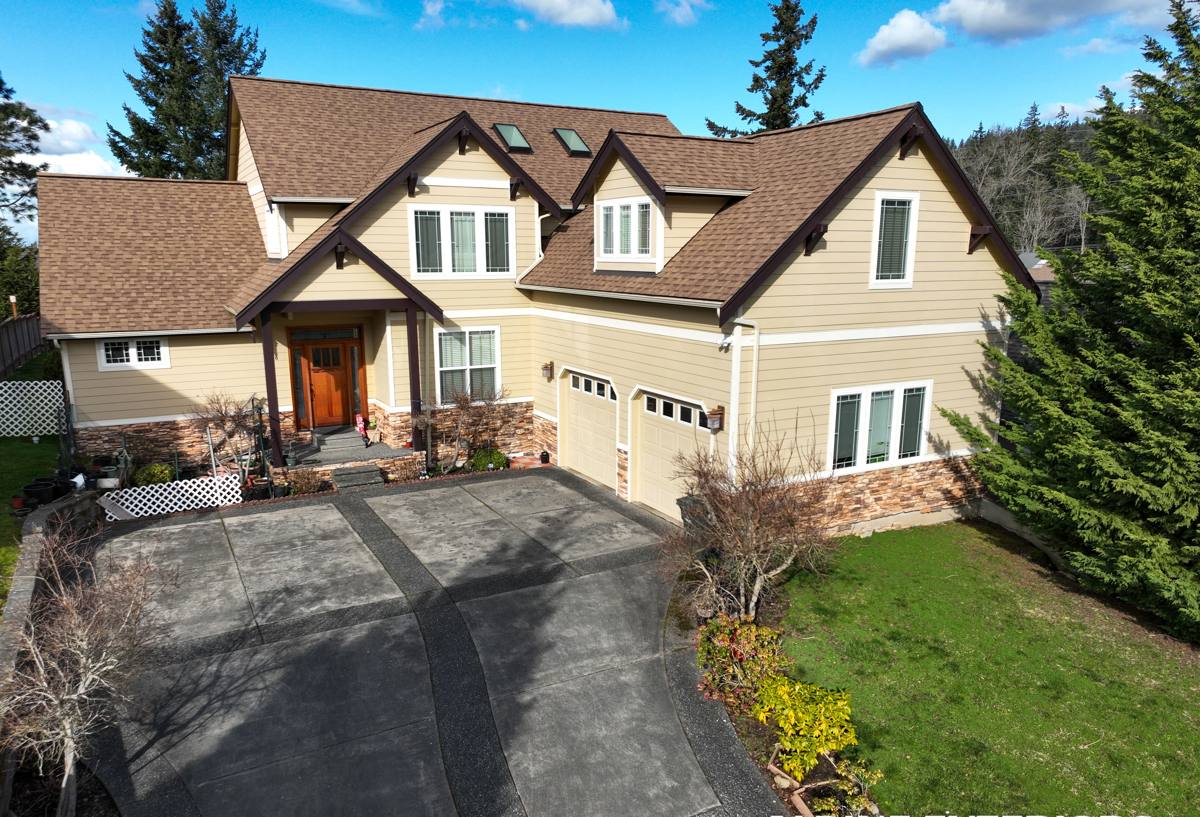
Why Decks in This Neighborhood Wear Out Faster
Three things drive most of the early failures we see on Silver Beach decks:
- Shade and slow drying. Tree canopy blocks the sun that would normally dry a deck out between rains. Boards and framing stay damp longer, which is exactly what rot and mold need.
- Moss and organic buildup. Falling needles and leaves collect in board gaps and against ledger boards, holding moisture against wood and fasteners even during dry stretches.
- Salt and driving rain off the water. Wind off the lake pushes rain sideways into railings, fascia, and any exposed end grain, which speeds up finish breakdown on wood and accelerates corrosion on lower-grade hardware.
None of this means a deck can't last in Silver Beach — it means the deck has to be built and finished with these specific conditions in mind, not built the same way you'd build one on an open, sunny lot.
Signs You're Looking at Replacement, Not Repair
Surface problems you can usually repair
Graying boards, a few popped nails, minor surface checking, or a railing that's come loose at one post are typically repair-level issues. If the framing underneath is sound, there's no reason to tear out a whole deck over cosmetic wear.
Structural problems that mean replacement
Soft or spongy spots when you walk the deck, a ledger board pulling away from the house, rot you can push a screwdriver into, rusted-through joist hangers, or footings that have shifted or heaved are structural. Patching around structural failure just delays a bigger problem, and on a deck that's often elevated over a sloped lot, that's a safety issue, not just a maintenance one. If we find rot at the ledger connection or posts, that's the point where repair stops being the honest answer.
What a Correct Replacement Actually Involves
A deck replacement is more than swapping old boards for new ones. The parts you don't see are what determine whether the new deck lasts 10 years or 25.
Substructure and footings
On sloped Silver Beach lots, footing depth and placement matter more than on flat ground. We check existing footings for frost depth compliance and settlement before deciding whether they can be reused or need to be replaced. A deck built on undersized or shifted footings will develop problems again within a few years no matter how good the decking material is.
Ledger attachment and flashing
The ledger board — where the deck attaches to the house — is the single most common failure point on any deck, and it's especially exposed here where shaded, damp siding stays wet longer. Correct flashing at this connection keeps water from getting behind the siding and into the house framing, not just the deck framing.
Framing and hardware
We use fasteners and joist hardware rated for ground contact and coastal/high-moisture exposure, not standard interior-grade hardware. In a lake-adjacent, shaded lot, the cheaper hardware corrodes years before the wood around it fails.
Drainage and airflow
Decks that trap moisture underneath — from poor grading, no airflow, or debris buildup — rot from the bottom up even when the top looks fine. Part of a correct rebuild is making sure water actually gets away from the structure instead of pooling under it.
Choosing Decking Material for a Shaded, Wet Lot
Material choice matters more here than on a sunny, open lot, because whatever you choose has to handle prolonged dampness and organic debris, not just occasional rain.
| Material | How it handles shade & moss | Maintenance | Typical lifespan |
|---|---|---|---|
| Pressure-treated wood | Needs regular cleaning and resealing or moss and mildew take hold quickly in shade | Annual cleaning, refinishing every 1-3 years | 10-15 years with upkeep |
| Cedar | Naturally more rot-resistant but still needs finish maintenance in constant shade | Cleaning and finish renewal every 2-3 years | 15-20 years with upkeep |
| Composite decking | Resists rot, but debris and moss can still build up on the surface and needs washing off | Periodic washing, no refinishing | 25-30 years, manufacturer-dependent |
| PVC/cellular decking | Fully resists moisture absorption; best option for constantly damp, shaded lots | Occasional washing | 25-30+ years |
We don't push one material on every job. Wood costs less up front and can look great, but it demands consistent upkeep to survive Silver Beach's shade and moisture — and if that upkeep gets skipped for a season or two, it shows. Composite and PVC cost more initially but trade ongoing maintenance for material that doesn't absorb moisture in the first place. Our job is to lay out the real tradeoffs for your lot and your maintenance appetite, not to sell you the highest-margin option.
How Our Replacement Process Works
- On-site assessment. We walk the existing deck, check the ledger connection, probe framing and footings for rot or movement, and look at how sun and drainage actually behave on your specific lot.
- Honest scope and estimate. You get a clear breakdown of what's structural versus cosmetic, material options with real cost and maintenance tradeoffs, and a written estimate — no pressure, no inflated urgency.
- Permitting. Most deck replacements in the City of Bellingham and unincorporated Whatcom County require a permit, especially when footings, framing, or an elevated structure are involved. We handle that process rather than leaving it to you.
- Demolition and disposal. Old decking, framing, and hardware are removed and hauled off, with the site protected during teardown.
- Structural rebuild. Footings, framing, ledger flashing, and hardware are installed or upgraded to current code before any decking goes down.
- Decking, railing, and finish work. Boards, railings, and any stairs are installed to spec, with attention to gaps and drainage paths that matter for a shaded lot.
- Final walkthrough. We go over the finished deck with you, including what maintenance it actually needs given your lot's shade and moisture.
Permits and Code Considerations in Whatcom County
Deck permitting depends on height, size, and whether it's attached to the house, and requirements differ slightly between City of Bellingham jurisdiction and unincorporated Whatcom County — which matters since Silver Beach properties can fall on either side of that line depending on exact location. Elevated decks over sloped lots also typically face closer scrutiny on footing depth and guardrail height. We pull the correct permit for your property rather than guessing, because an unpermitted deck can become a real problem at resale or insurance time.
Keeping a New Deck Healthy in This Climate
A well-built deck still needs some seasonal attention on a shaded, lake-adjacent lot. This is the same checklist we walk clients through after a Silver Beach install:
- Sweep leaves, needles, and debris out of board gaps regularly, especially in fall
- Rinse or lightly scrub moss and algae off the surface before it gets established, particularly on shaded sections
- Check that gutters and downspouts near the deck are directing water away, not onto it
- Inspect the ledger board area yearly for any sign of water staining or gaps
- For wood decks, plan on reapplying finish or sealant on the schedule the product calls for — don't stretch it in a shaded, damp spot
- Confirm underneath the deck stays ventilated and isn't accumulating leaves or standing water
Why It Matters That Your Crew Already Works This Neighborhood
A crew that's replaced decks elsewhere in Bellingham but hasn't worked lake-adjacent, shaded lots can miss the details that matter here — under-building footings for a sloped lot, using standard hardware in a spot that needs coastal-grade fasteners, or recommending a finish schedule that doesn't account for how slowly things dry under tree cover. We've built and replaced decks on lots with this exact combination of slope, shade, and moisture, so the framing, drainage, and material choices we recommend are based on what actually holds up here, not a generic spec sheet.
Get a Straight Answer on Your Deck
If you're not sure whether your deck needs a full replacement or just targeted repairs, we'll tell you honestly after taking a look — we don't have a reason to talk you into more work than you need. Reach out for a free, no-pressure estimate and we'll walk your deck, check the structure, and lay out your real options.